THE BUILDINGS OF THE VESZPRÉM CASTLE DISTRICT

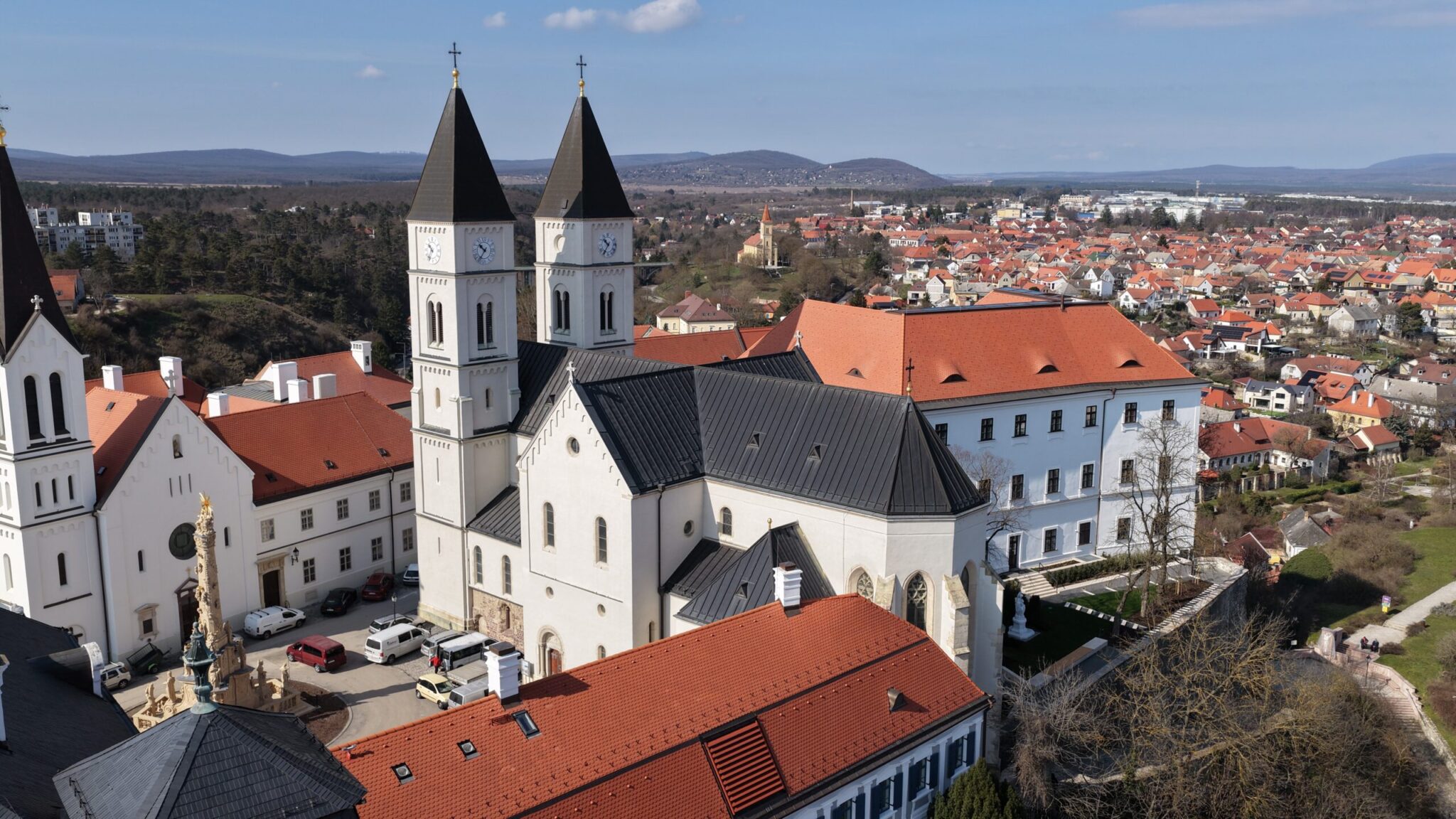
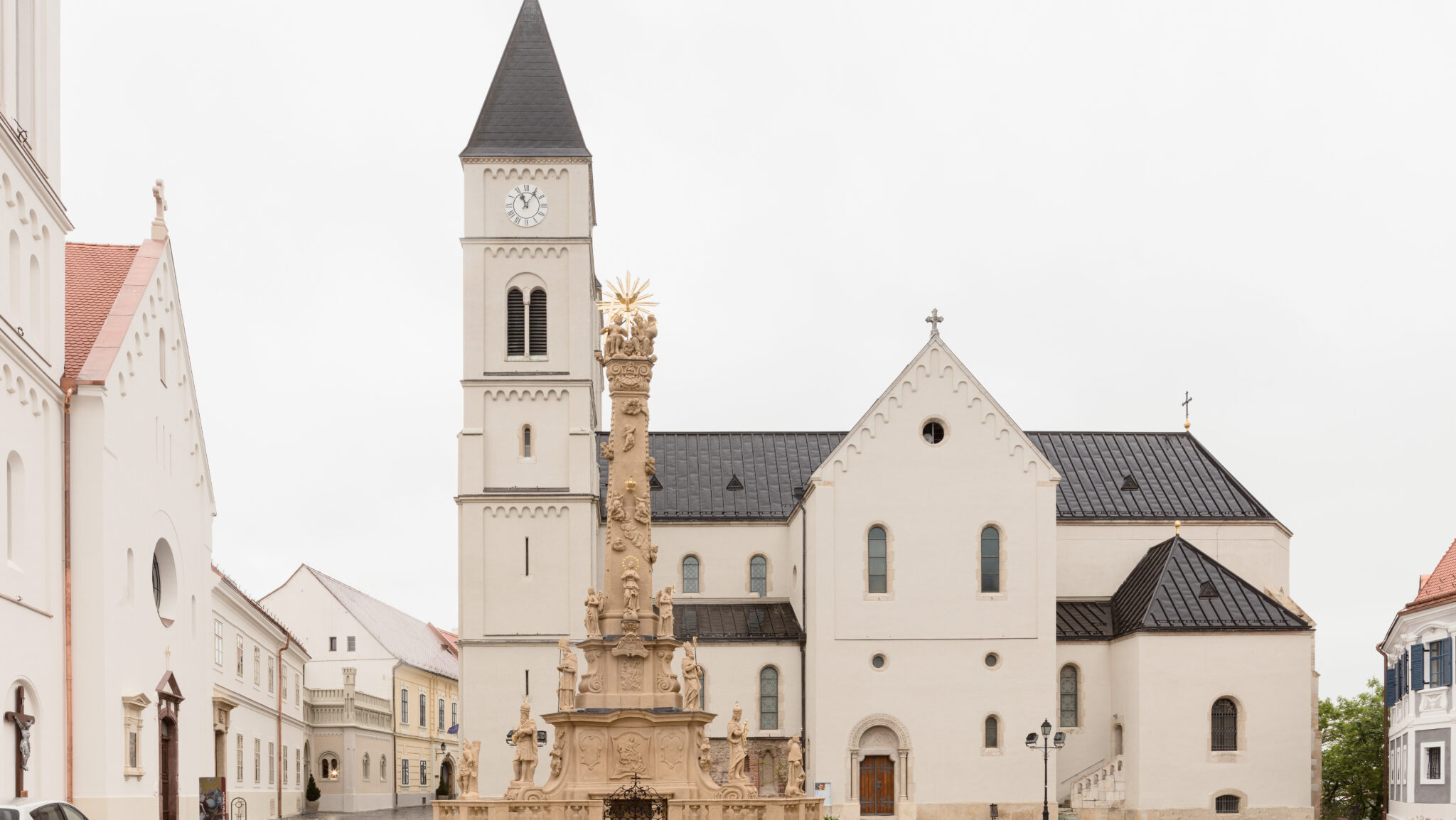
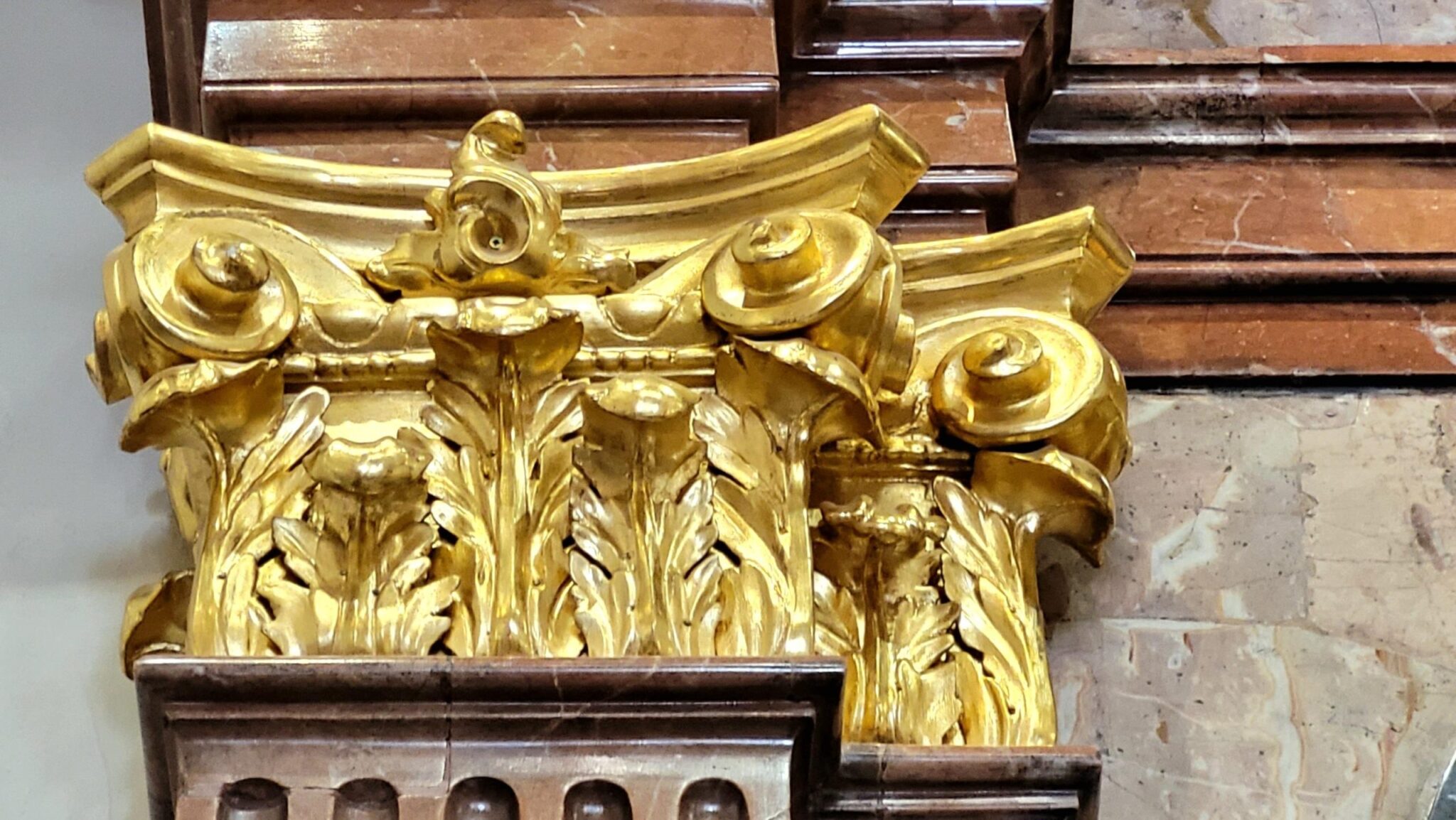
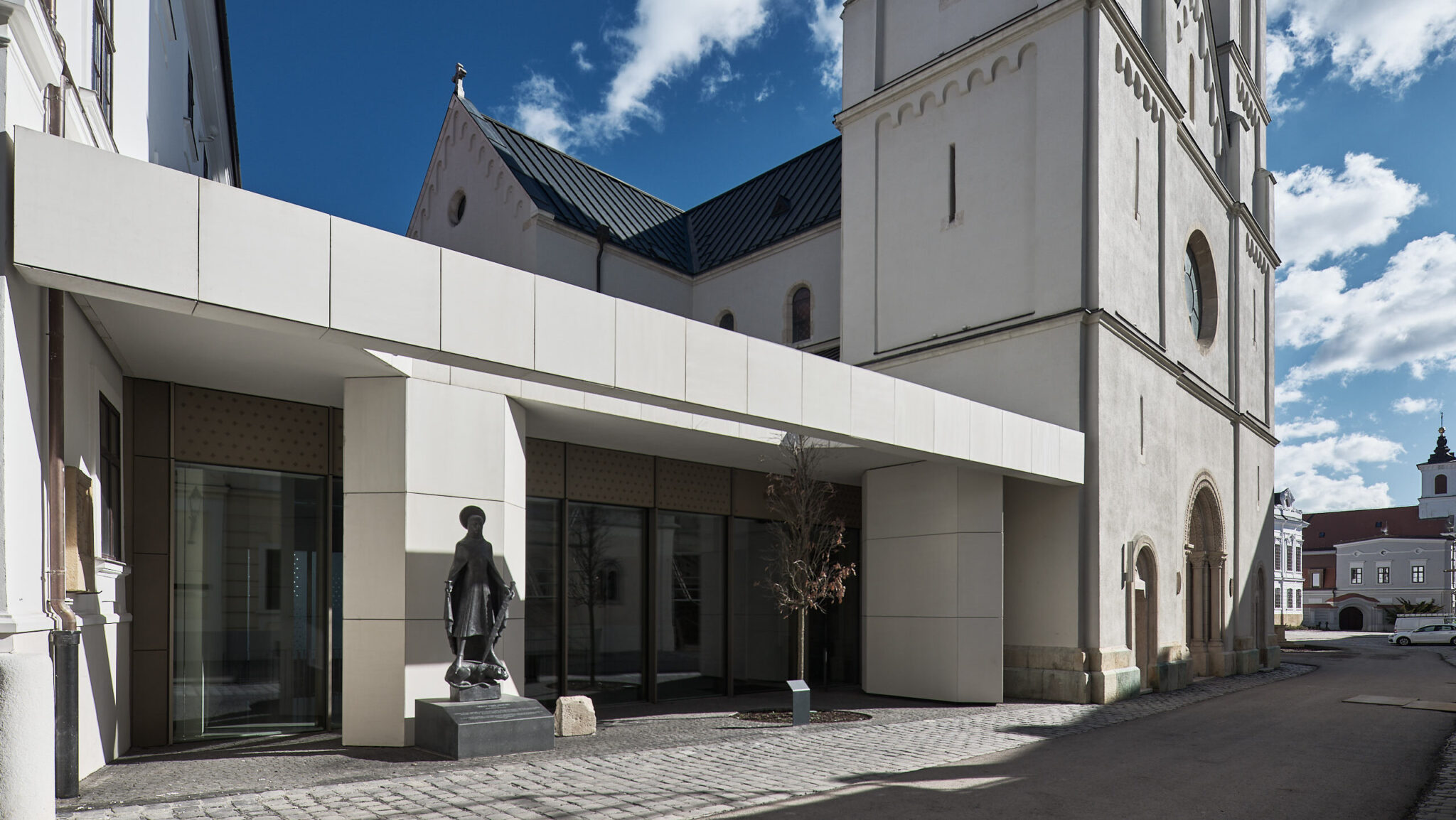
St. Michael’s Cathedral in Veszprém is one of the earliest and most significant sacred sites of Hungarian Christianity. According to tradition, its founding is linked to Queen Gisela, meaning its history dates back to the very era of the founding of the Hungarian state. The appearance of the present-day building is the result of a Neo-Romanesque reconstruction from the early 20th century; yet, behind and beneath its walls, a succession of eras unfolds: the Árpád-era beginnings, medieval reconstructions, Baroque renewal, and the most recent 21st-century restoration all converge in a single space. The cathedral’s status as a basilica minor specifically indicates that this is a church of not only local but also universal ecclesiastical significance.
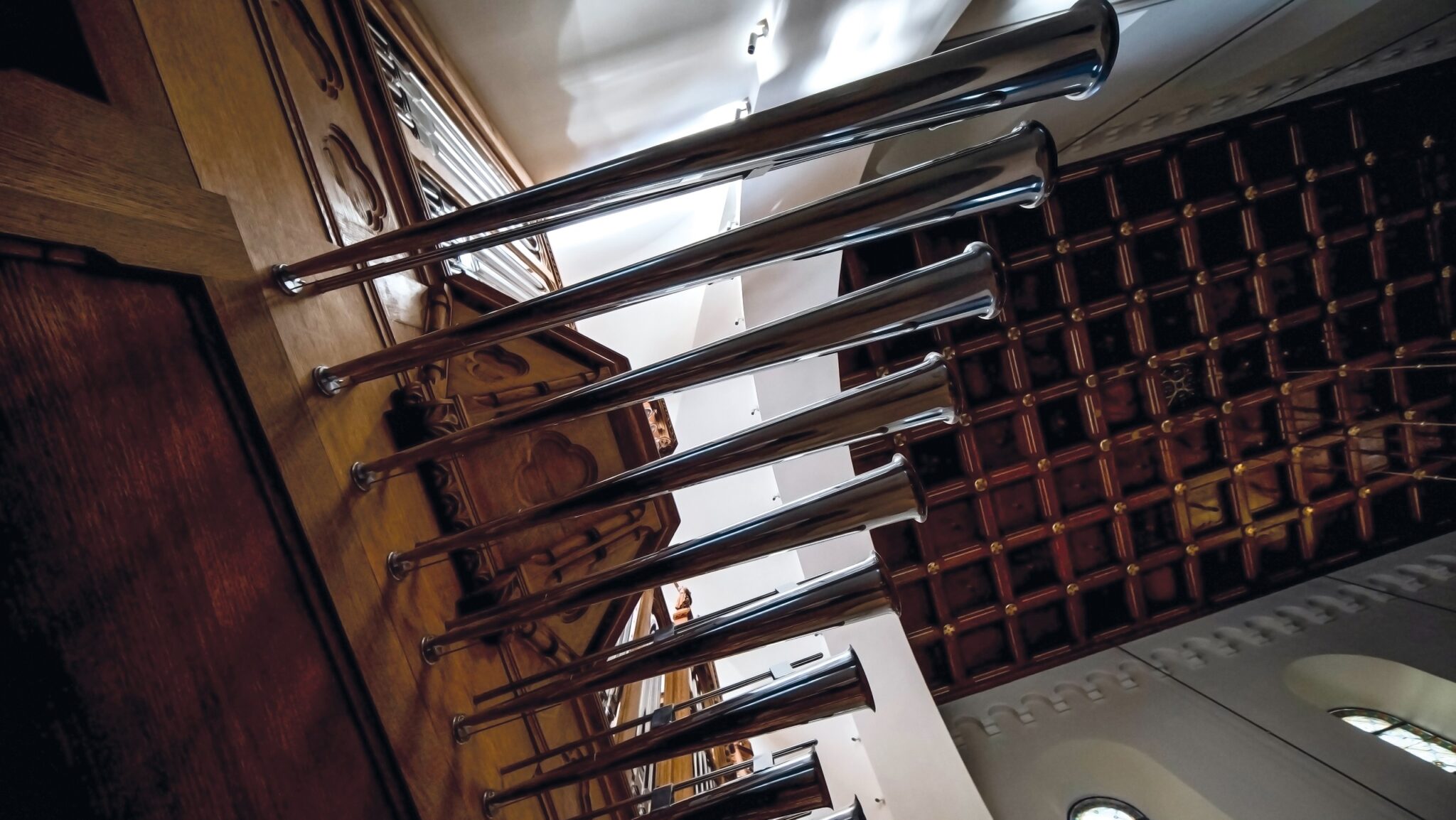
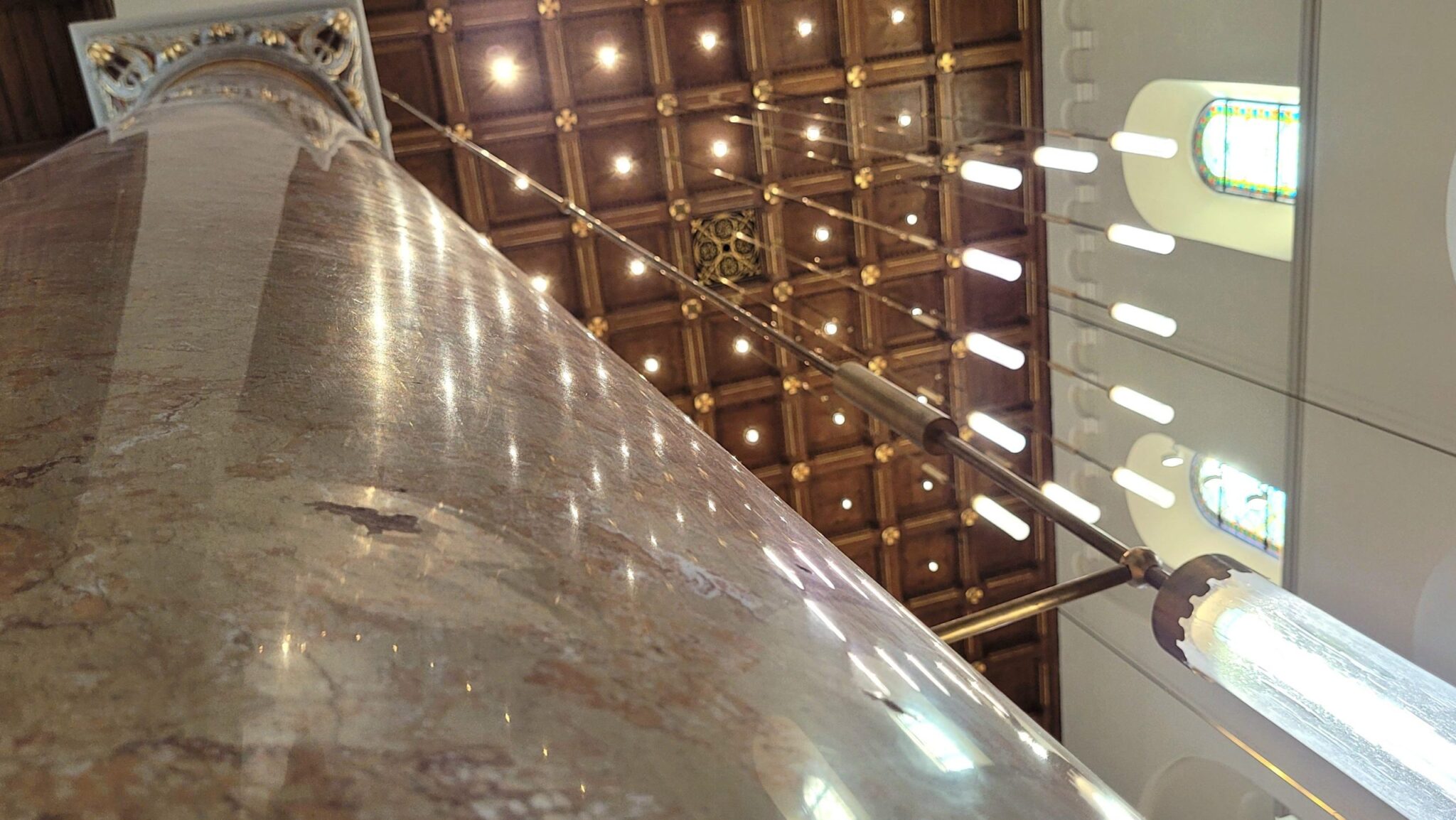
Following the recently completed comprehensive renovation, the reconsecration of the cathedral has restored the building to its full status as a liturgical and public space. The proportions of the interior, the play of light, and the restored details combine to create an experience that is both rooted in the past and relevant to the present. The church’s organ deserves special attention: with more than two thousand pipes, it is not only a spectacular instrument but also a defining element of the space, allowing the spirituality of the place to be experienced through sound.
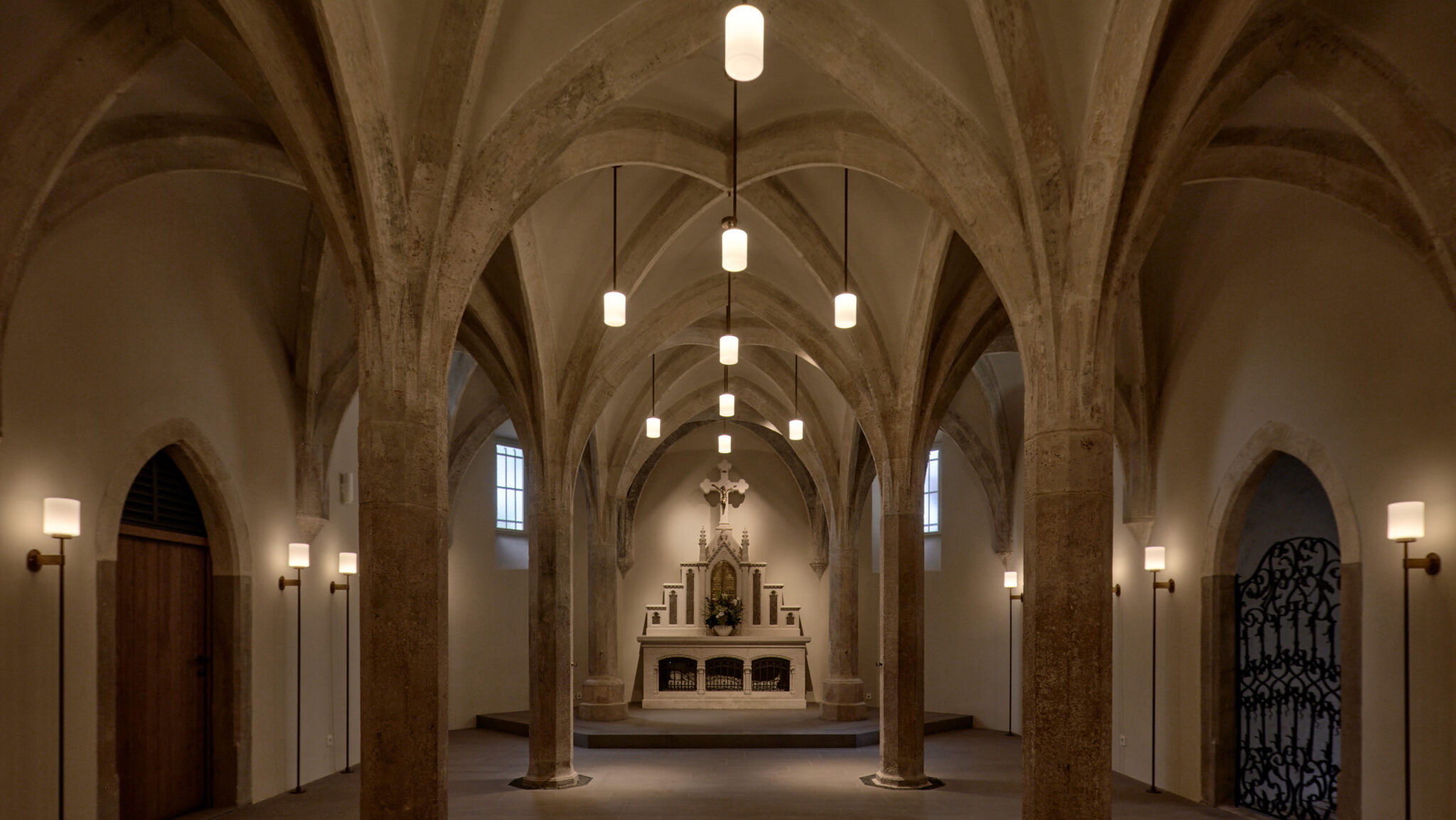
One of the most unique parts of the visit is the crypt, which can be explored as part of a guided tour of the cathedral. This space literally leads beneath the surface: stepping inside reveals the deeper historical layers of the cathedral. During excavations and renovations, centuries-old burials were uncovered, and the space has regained its liturgical role. The crypt brings together archaeology, history, and living religious tradition, making the visit a particularly powerful and personal experience.
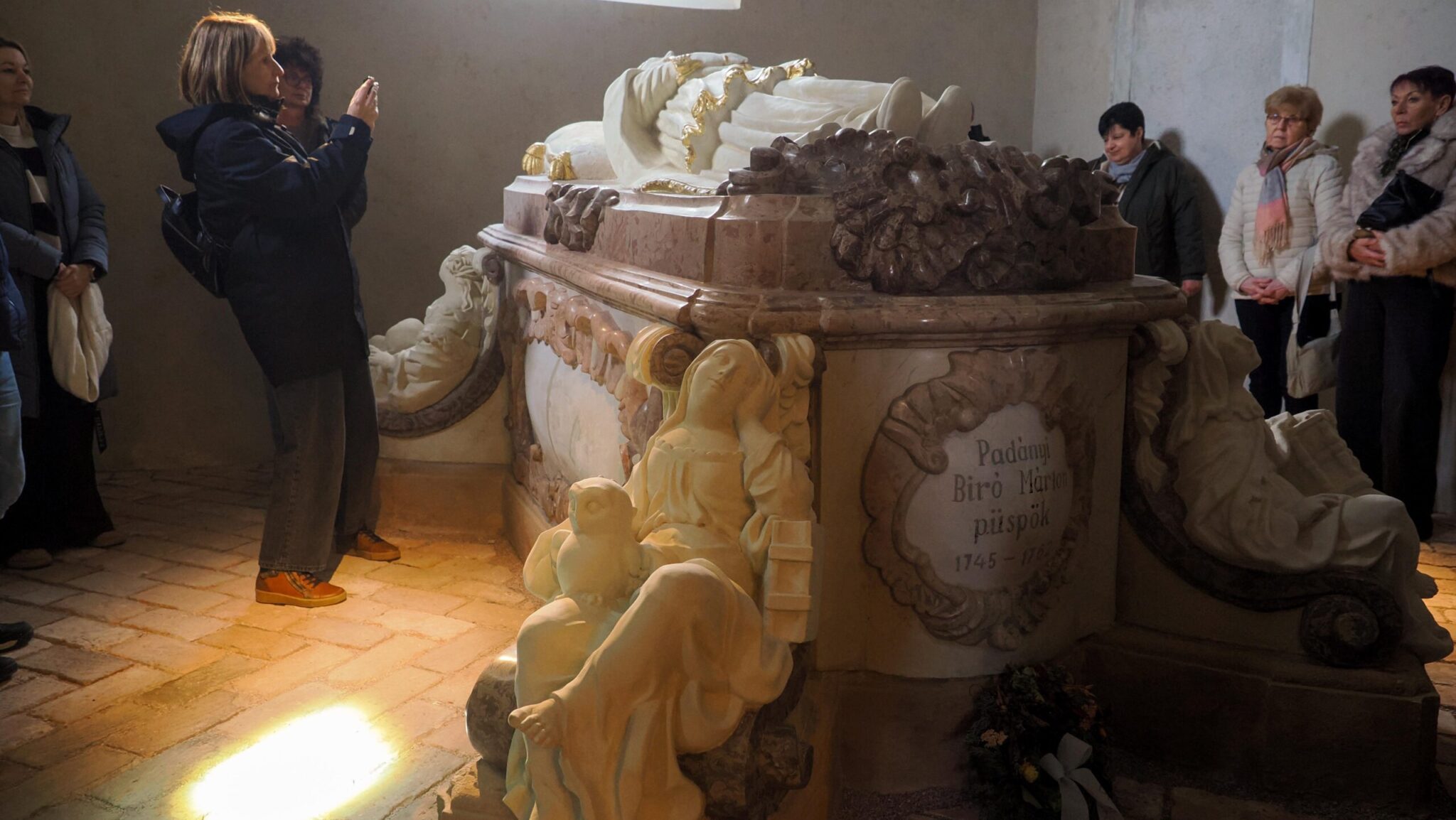
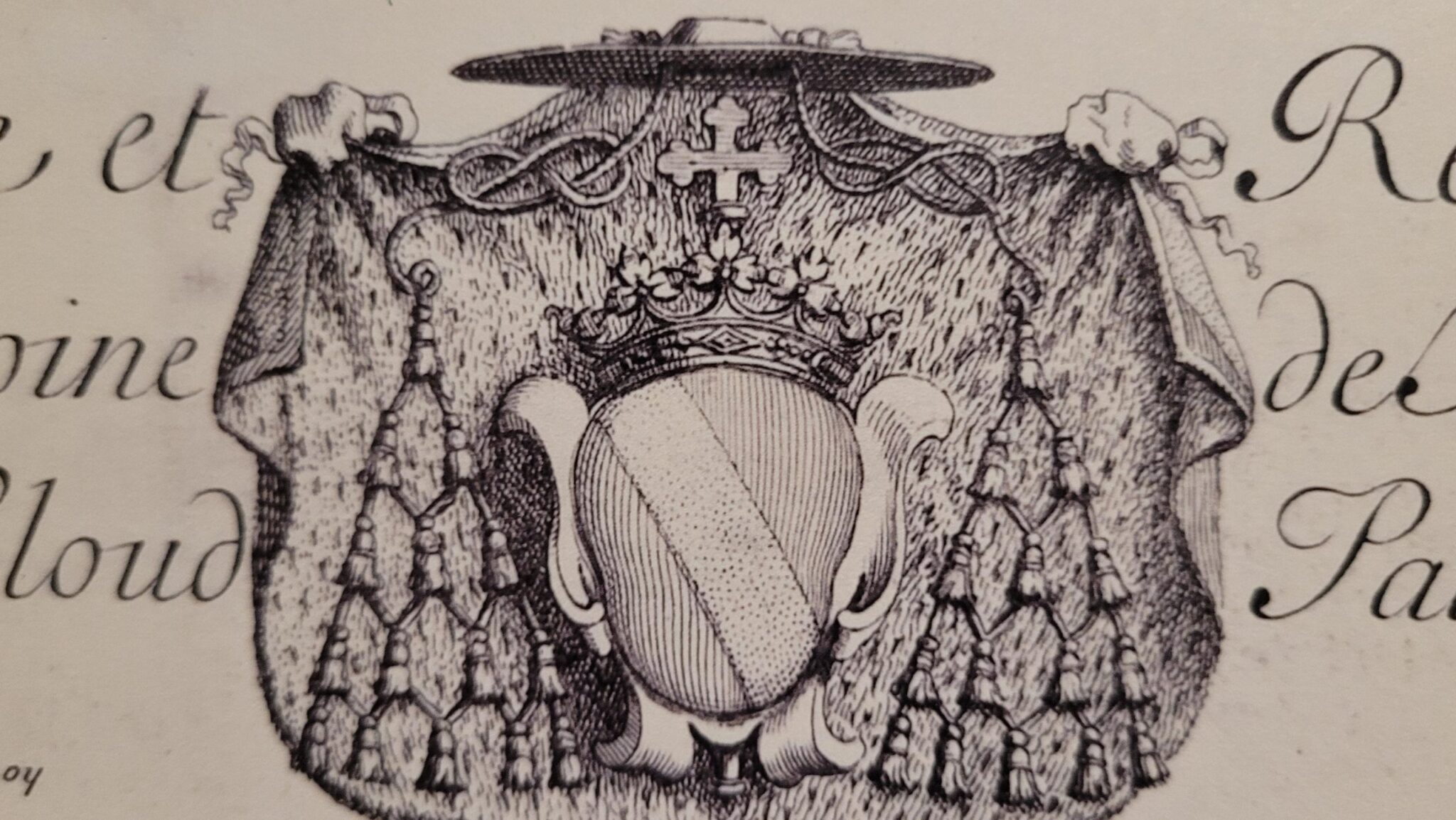
The tomb of Márton Padányi Biró, Bishop of Veszprém, is also located here; it is one of the outstanding works of Baroque art. At the center of this monument, which is more than two and a half centuries old, stands a life-size figure of the bishop, dressed in episcopal vestments and radiating dignified serenity. The details of the composition carry rich symbolism: a skull, an hourglass, a dying torch, a closed book, and other motifs evoke the passage of time and the transience of human life. These symbols are not merely decorative elements; they invite the visitor to interpret them and create a more personal connection with what is seen.
The figure of Márton Padányi Biró is key to understanding the Castle District as a whole. In the mid-18th century, during the reconstruction following the Ottoman occupation, he played a decisive role as bishop in the reorganization of the city and the diocese. His name is associated with numerous churches and religious buildings, and he had a significant influence on the Baroque character that still defines the atmosphere of the Castle District today.
The cathedral is thus not merely a building on Vár Street, but a place where over a thousand years of history come to life. Above ground, the renovated nave; below, the silence of the crypt; the tombs and the uncovered past—together, they create a multifaceted experience that transforms a visit into a true journey of discovery.
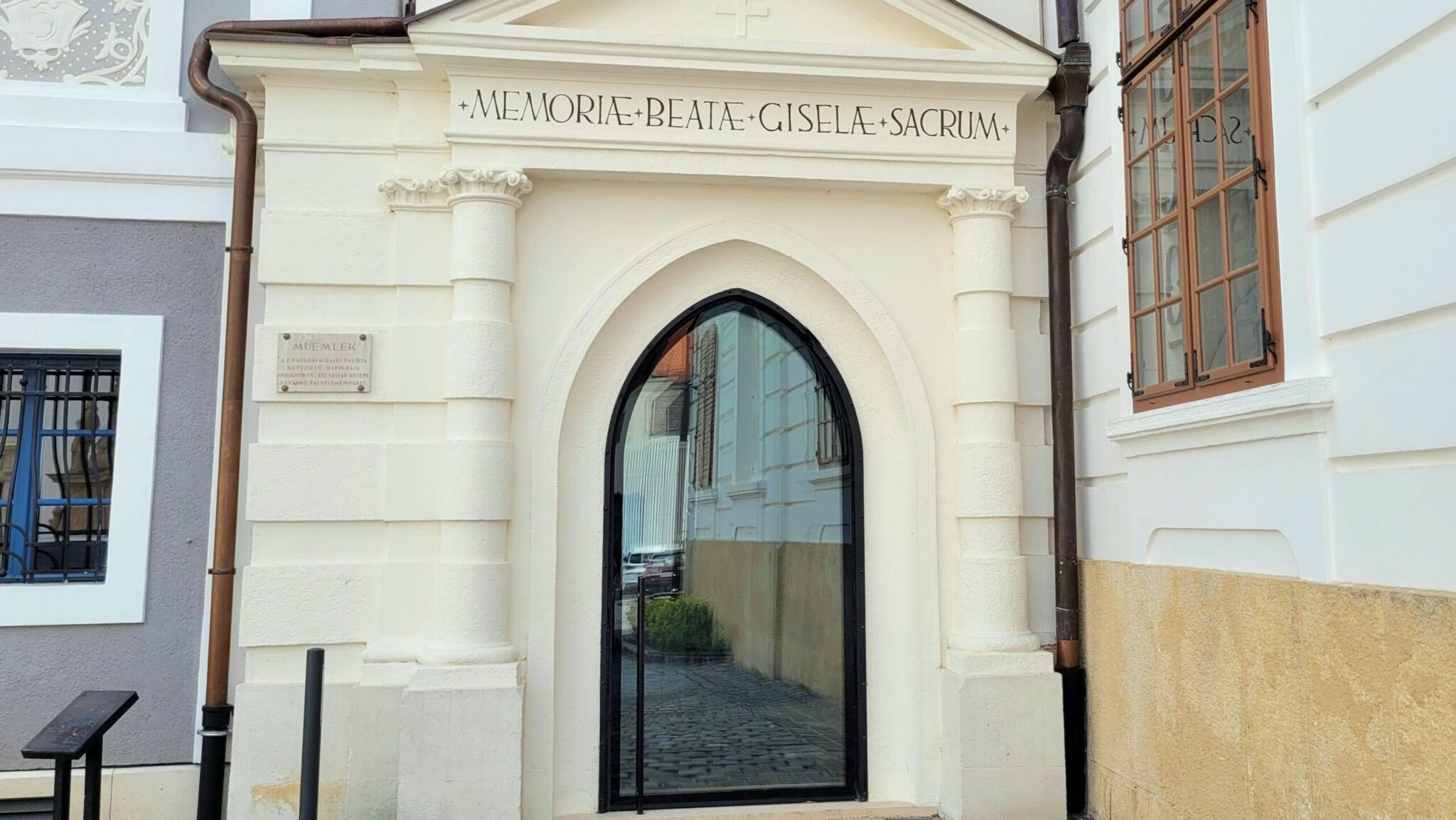
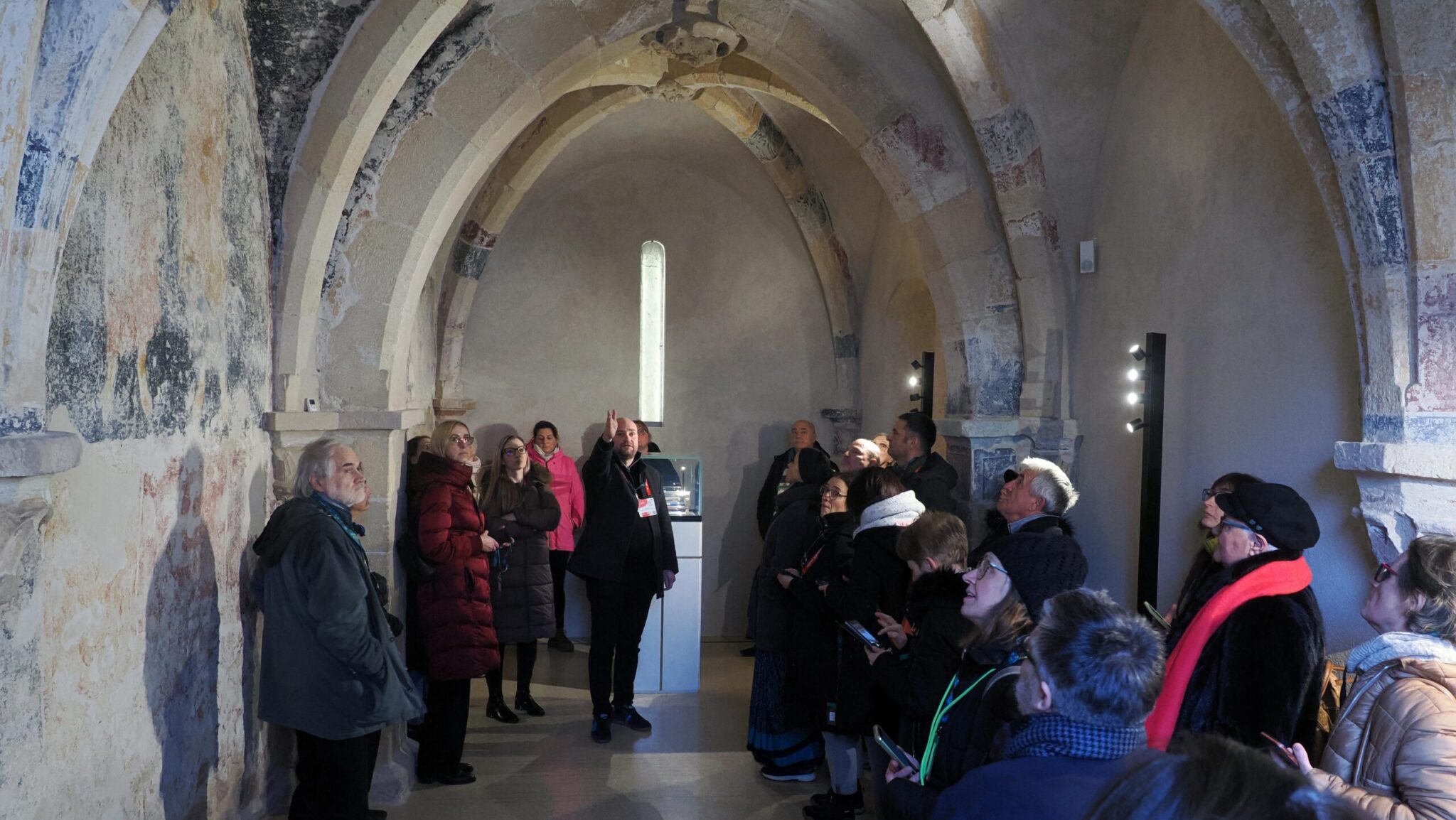
The Gizella Chapel in Veszprém is one of the most unique medieval sites in the Castle District. Dating back to the 13th century, the chapel was once likely a two-story palace chapel, traditionally regarded as a private chapel for a bishop or king. Though modest in size, its significance is outstanding: within its walls, a rare, intimate sacred monument from the Hungarian Middle Ages has been preserved.
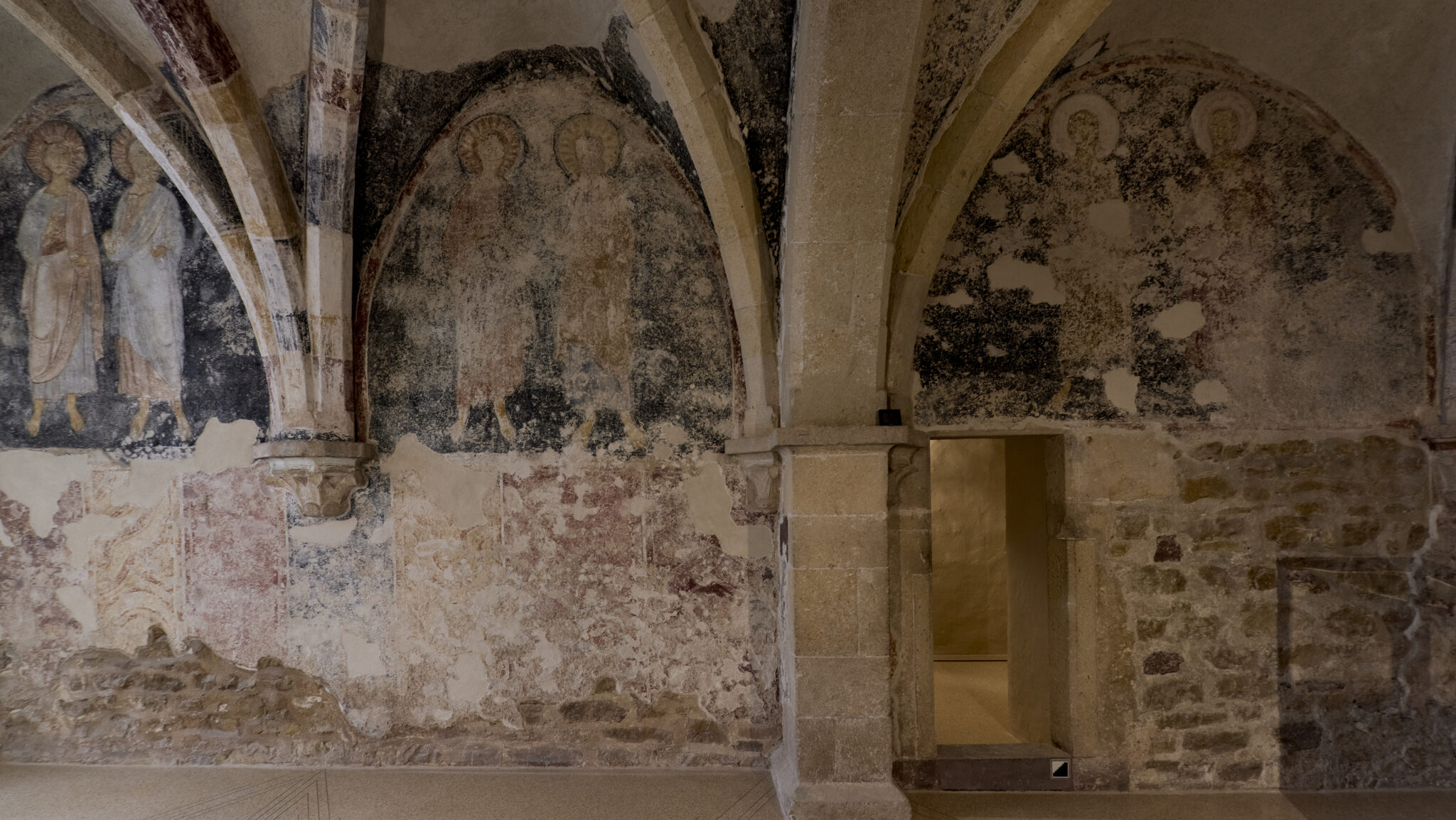
Among the chapel’s most valuable features are the 13th-century frescoes of the apostles, which are among the oldest murals of their kind in Hungary. The painted figures of the apostles are not only unique from an art-historical perspective, but also offer visitors a powerful experience: they bring to life the era when royal, episcopal, and ecclesiastical powers converged within the walls of the Castle District.
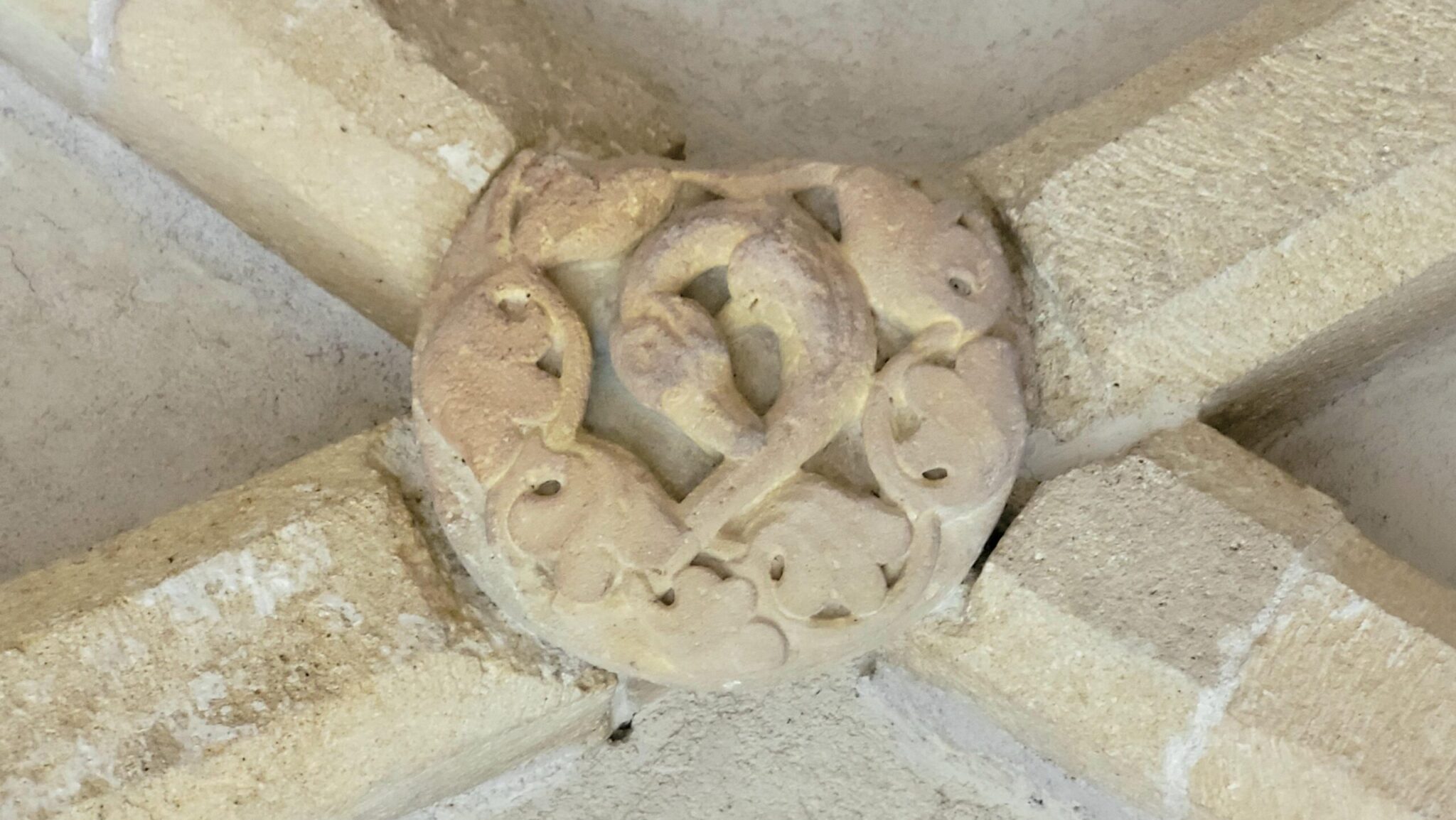
The square’s unique atmosphere is further enhanced by its medieval architectural details. The keystones of the vault, including the carving depicting a dragon, are rare and remarkable examples of the thinking of that era. The dragon motif evokes the symbolic world of the Middle Ages, the struggle of faith, and the image of evil to be vanquished. A tiny detail that would be easy to overlook, yet it encapsulates the imagination of entire eras.
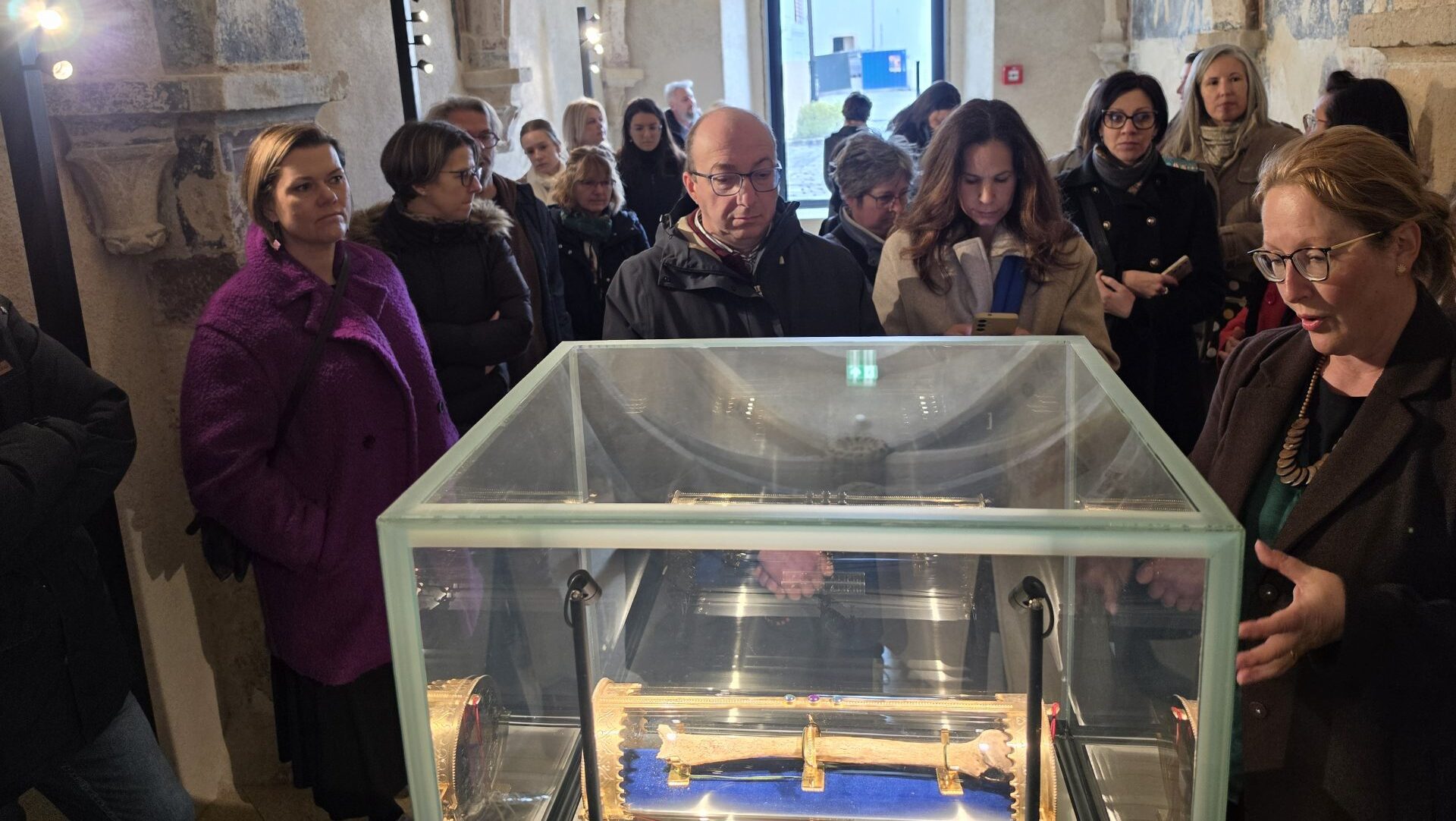
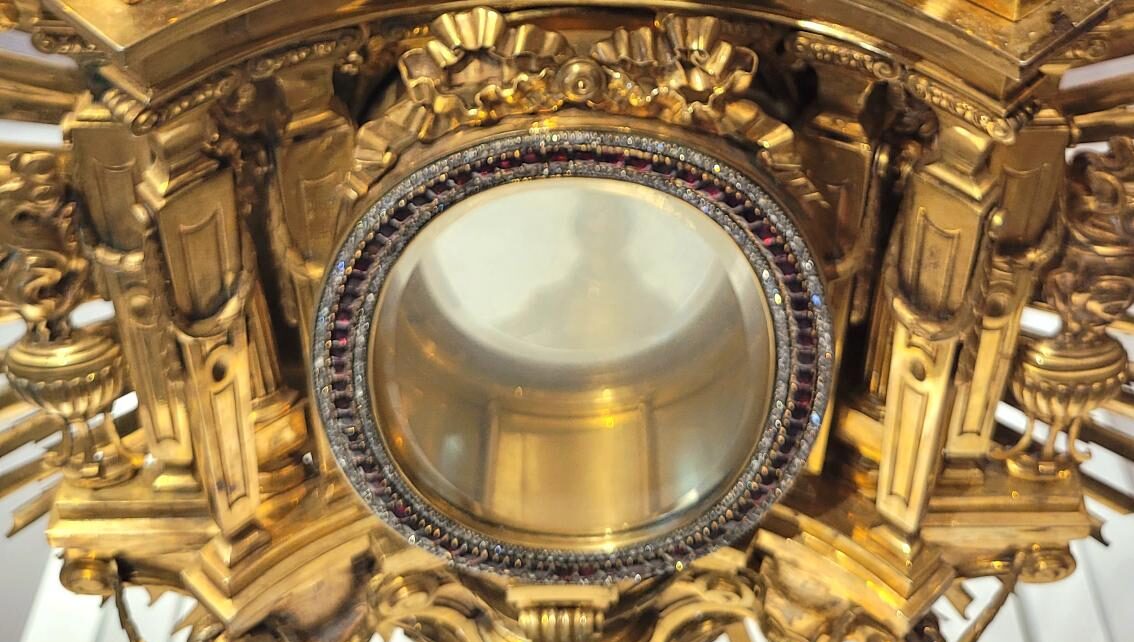
One of the chapel’s most remarkable relics is connected to Queen Gisela. In the second half of the 20th century, Queen Gisela’s heart relic arrived in Veszprém from Passau, and has since become one of the most important sacred relics of the city and the archdiocese. The arrival of the relic was not merely a religious event, but also a reaffirmation of a historical connection spanning more than nine centuries: Queen Gisela died in Passau, and her memory was preserved there for centuries. The relic’s arrival in Veszprém can thus be interpreted as a kind of “homecoming,” which has once again strengthened the bond between the city and its founding queen.
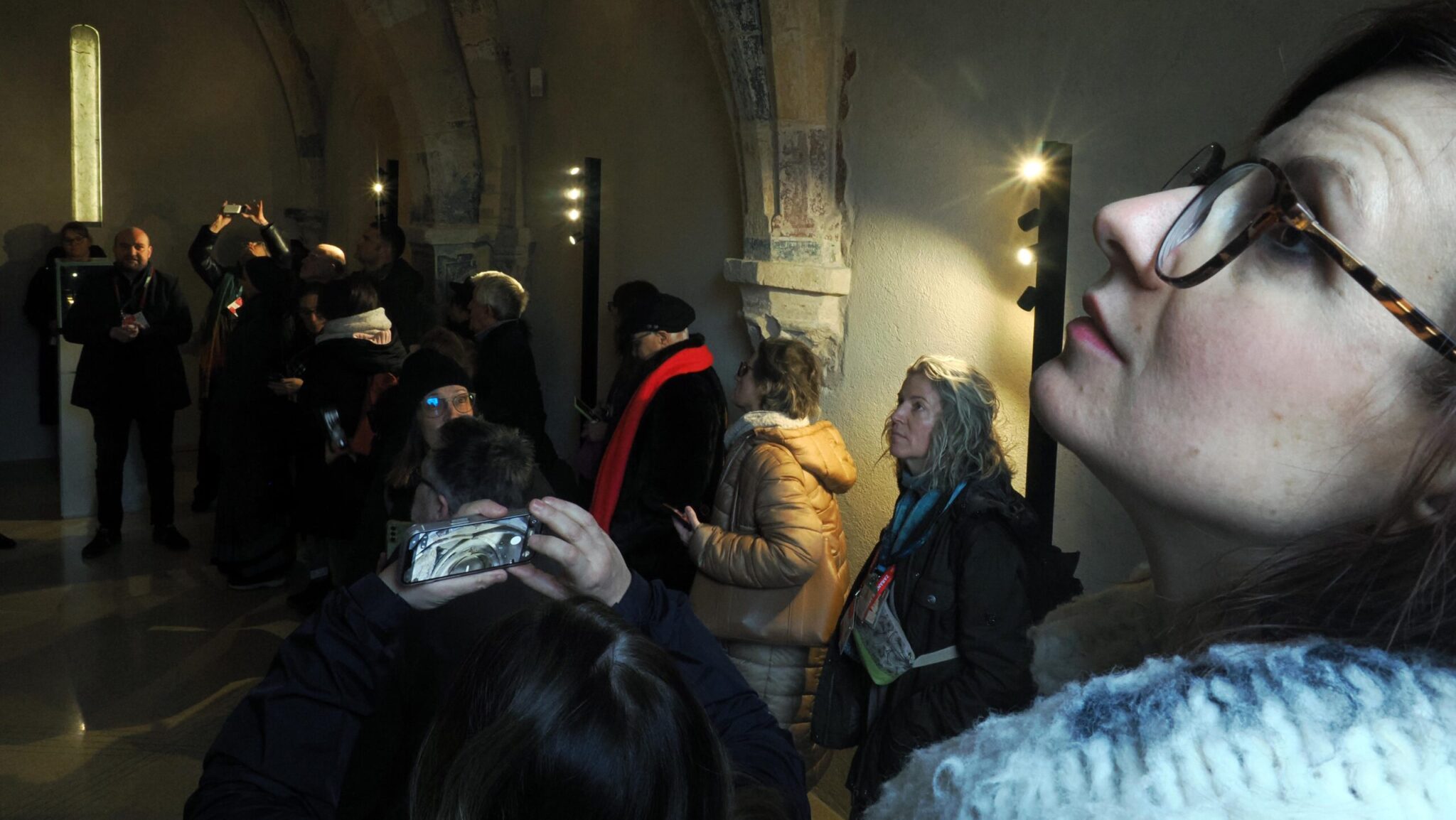
Thanks to its recent renovation, the Gizella Chapel once again plays a fitting role in the Castle District’s visitor route. For preservation reasons, it is not open to the public on its own, but it can be explored as part of a guided castle tour. The renovated chapel has been fitted with a glass door, allowing visitors to glimpse inside even when entry is not permitted.
The chapel’s uniqueness lies precisely in this duality: it opens up a rare medieval world while preserving its silence and fragility. Those who enter do not arrive in a large church interior, but in a condensed historical moment. Frescoes, carvings, stone surfaces, and symbols tell the story of an era when Veszprém was one of the most important centers of the Hungarian church and royal presence.
That is why Gizella Chapel is one of the most memorable stops in the Castle District: a small square with a big story. It is a place where the Middle Ages do not seem like a distant concept, but come within a few steps’ reach.
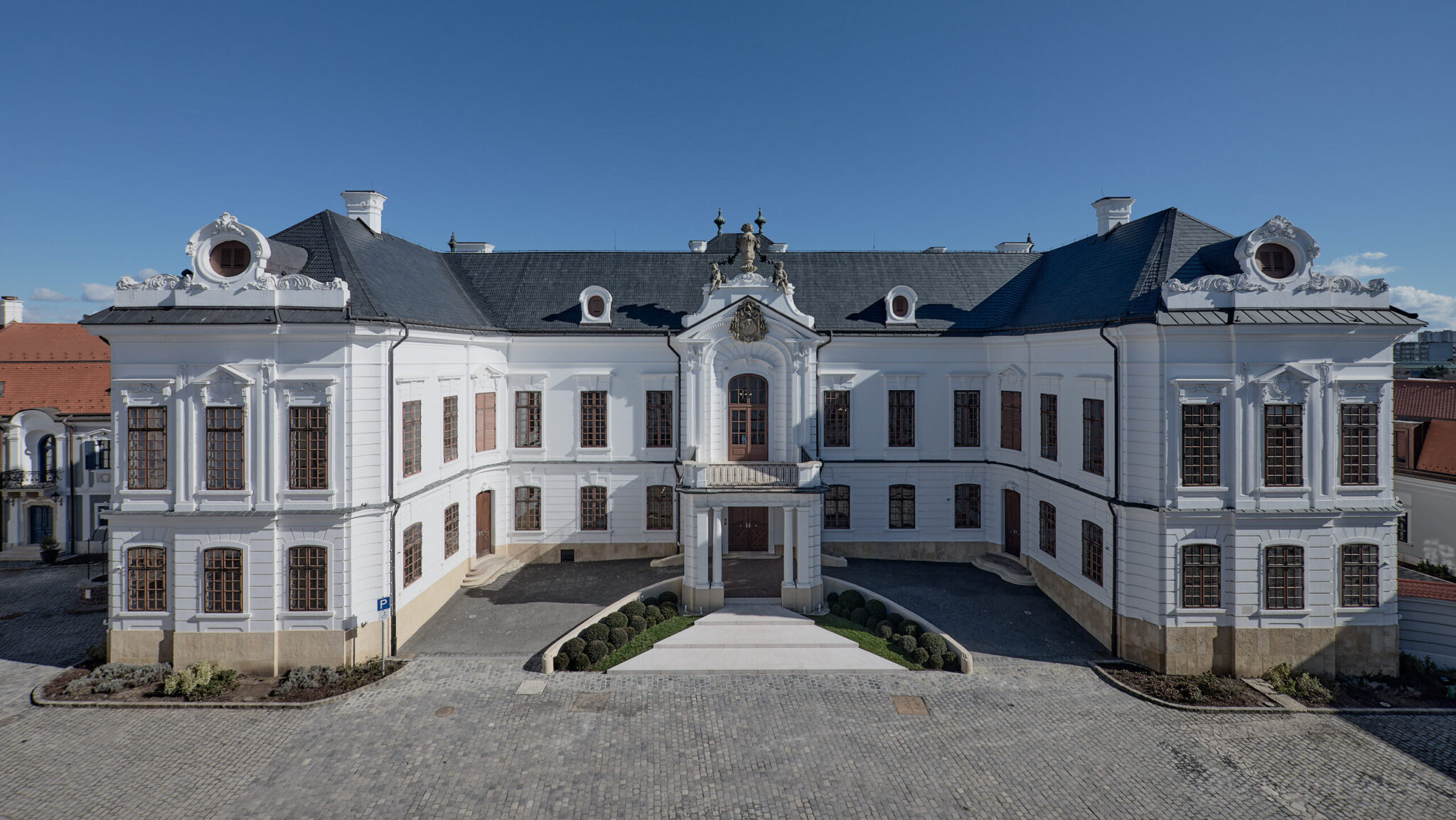
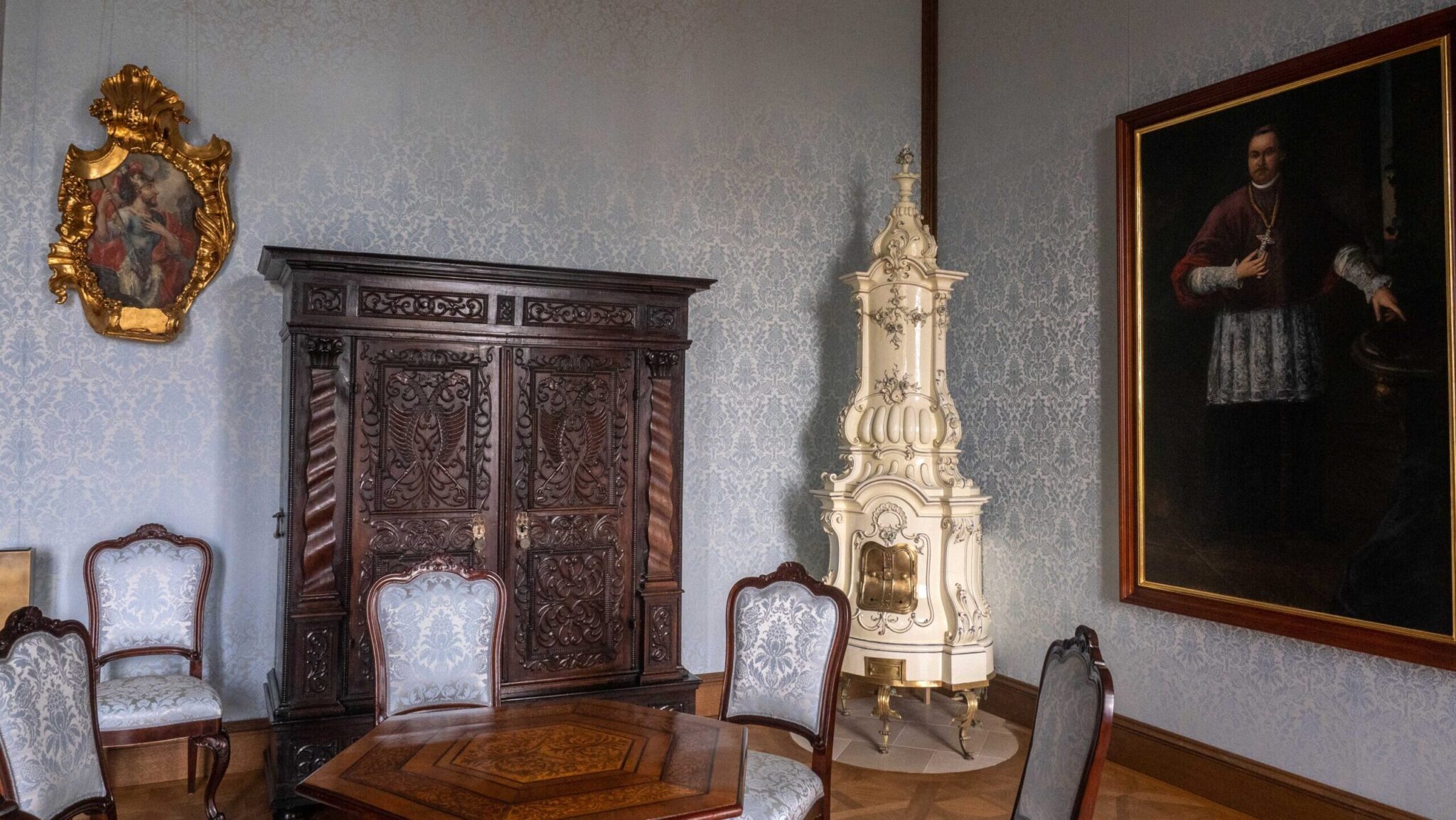
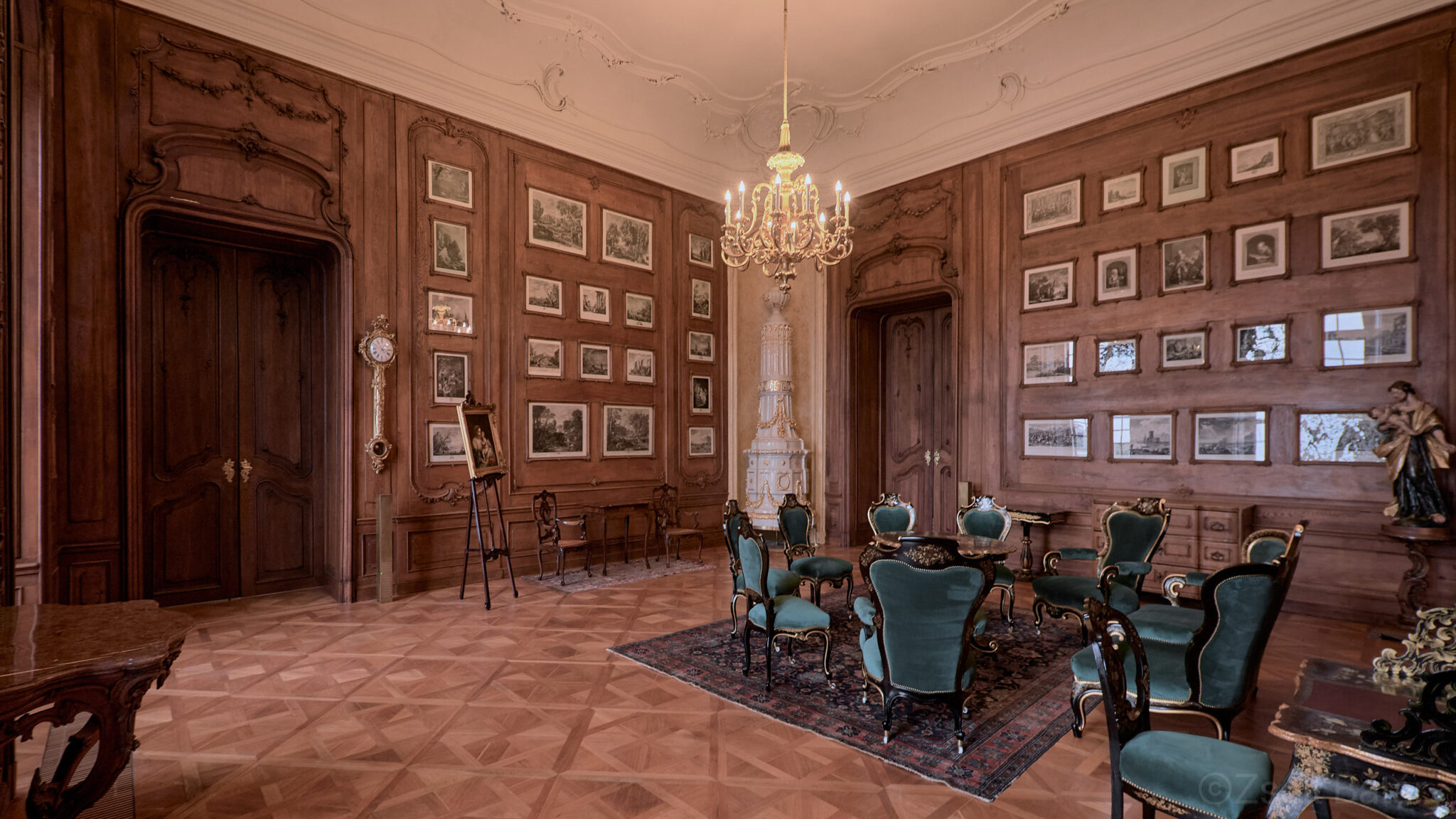
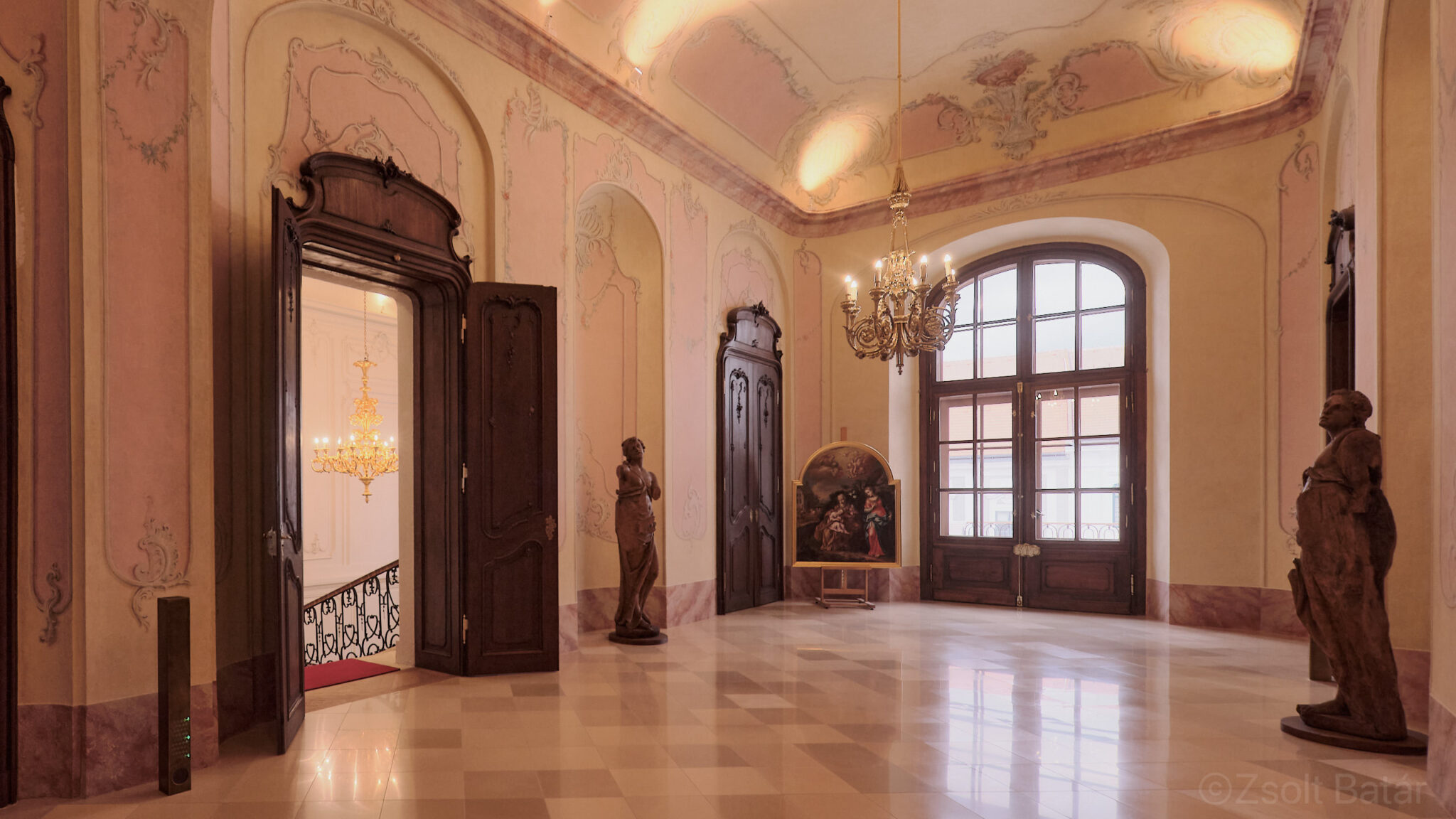
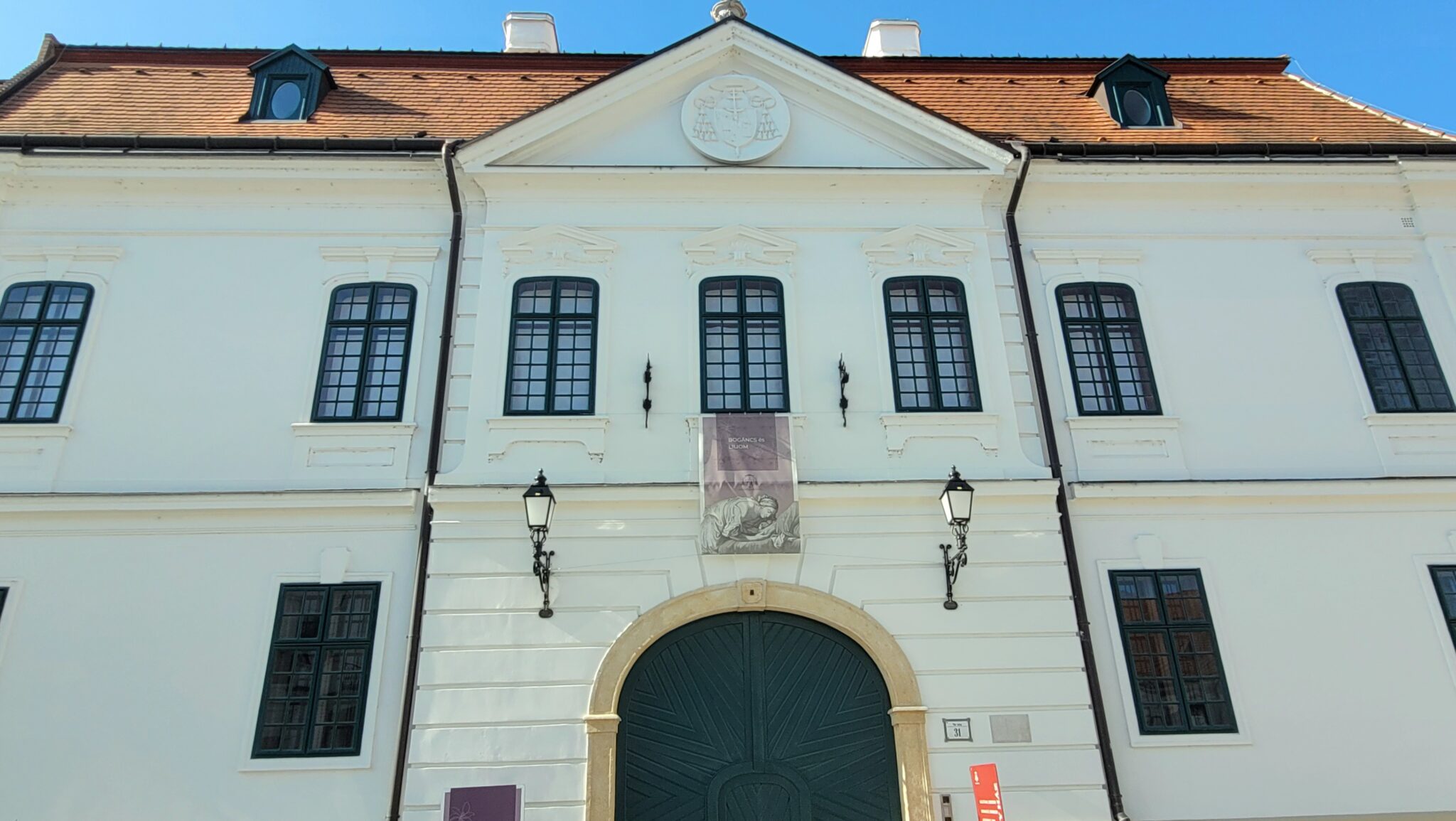
The Archbishop’s Palace in Veszprém is one of the most defining Baroque spaces in the Castle District, where the architecture not only surrounds the visitor but also subtly guides them. The palace was built in the second half of the 18th century on the commission of Bishop Ignác Koller, based on plans by Jakab Fellner. Construction began in 1765 and was completed in 1776. The end result was a deliberately constructed, representative series of rooms in which every door, every axis, and every ornament serves a single purpose: to show where decisions are made.
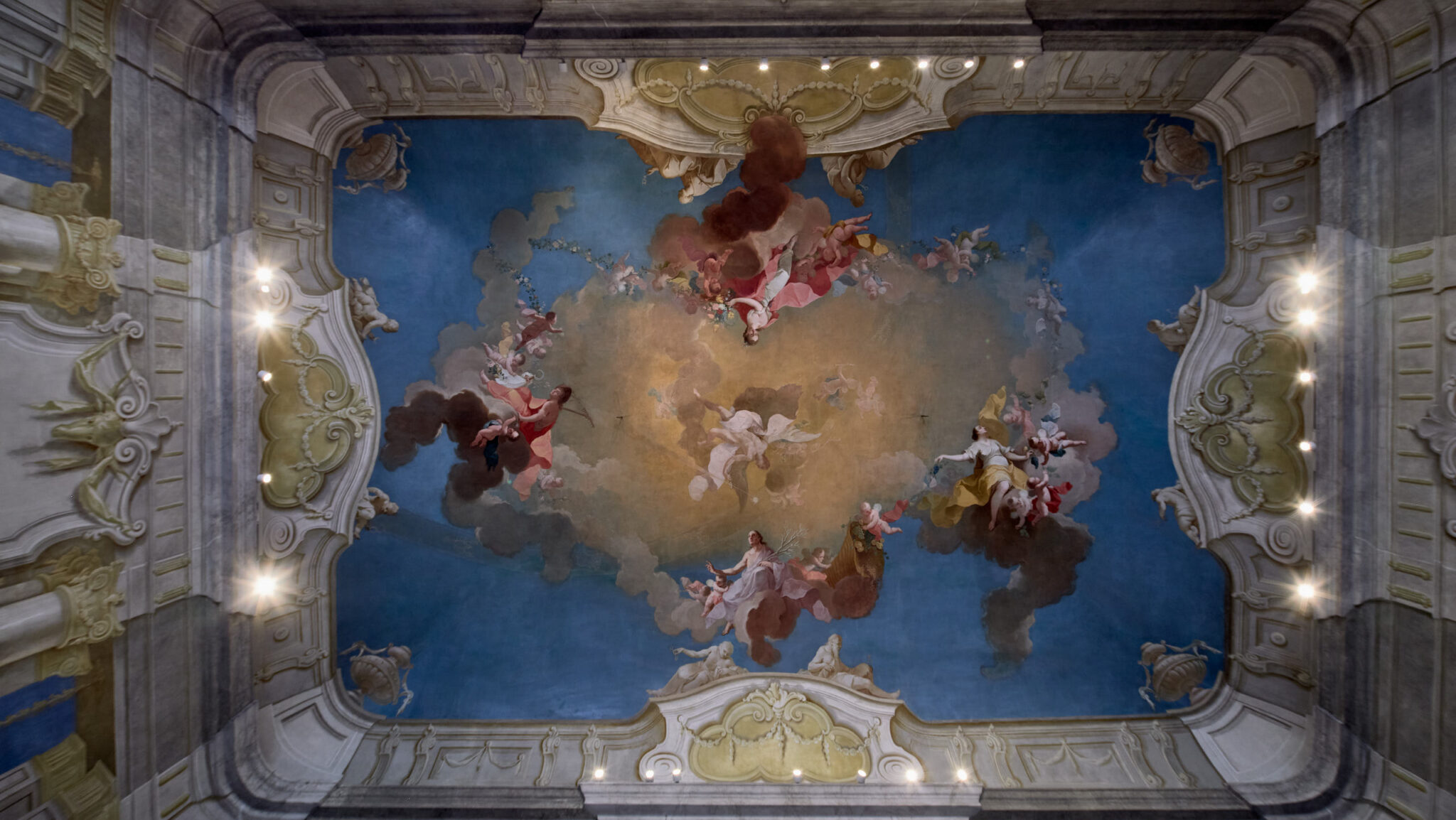
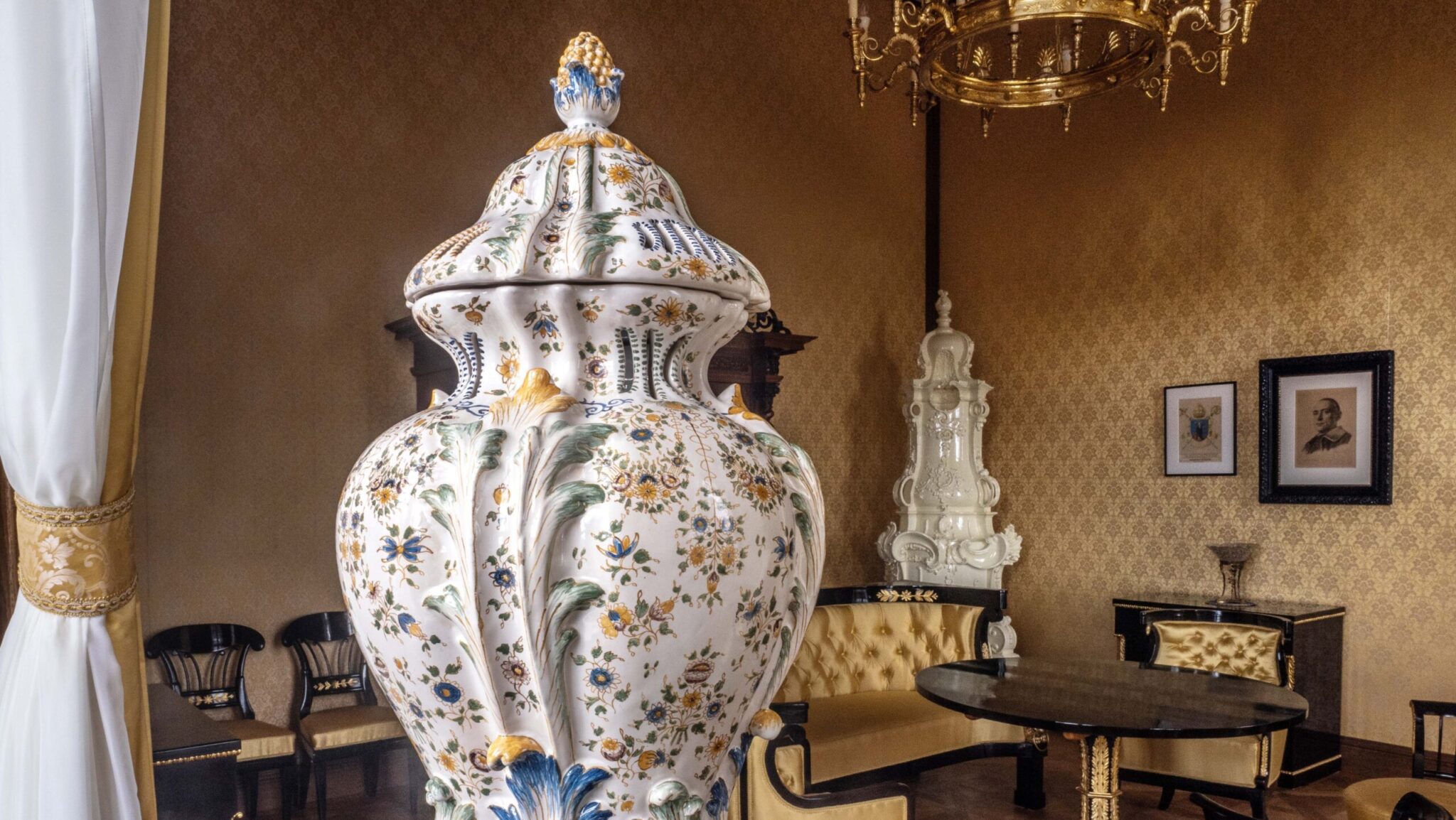
Following the understated elegance of the exterior, the interior spaces reveal a surprisingly rich world. The ceiling frescoes—the work of Johann Cymbal—do more than simply decorate; they reflect the era’s way of thinking, culture, and self-image. The delicate details of the stucco decorations—the handiwork of Giuseppe Orsatti—almost frame the space, as if the walls did not serve as boundaries but were instead part of a carefully composed scene. The sequence of rooms opening into one another is no accident: the visitor moves almost imperceptibly through a gradually unfolding spatial experience, where the focal points become increasingly pronounced.
The palace is remarkable not only from an architectural standpoint but also from a historical one. Its walls have witnessed numerous events that extend far beyond the borders of Veszprém. In 1820, Tsar Alexander I of Russia and Palatine Joseph met here, which clearly demonstrates that the palace also served as a venue of international significance. Emperor Franz Joseph also stayed here during his visit to Veszprém in 1908, thus the palace retained its representative role at the turn of the 19th and 20th centuries.
Ignác Koller, the palace’s first resident and builder, created not only an imposing building but also an intellectual hub from which the diocese was administered. The proximity of the library and the private chapel clearly illustrates this duality: the realms of thought and faith coexisted side by side.
During the recent restoration, the palace regained its original proportions and details. The restoration did not give the building a new interpretation, but rather allowed the Baroque spatial layout to be presented clearly and comprehensibly. Today, visitors can walk through interiors that closely resemble the experience enjoyed by 18th-century guests.
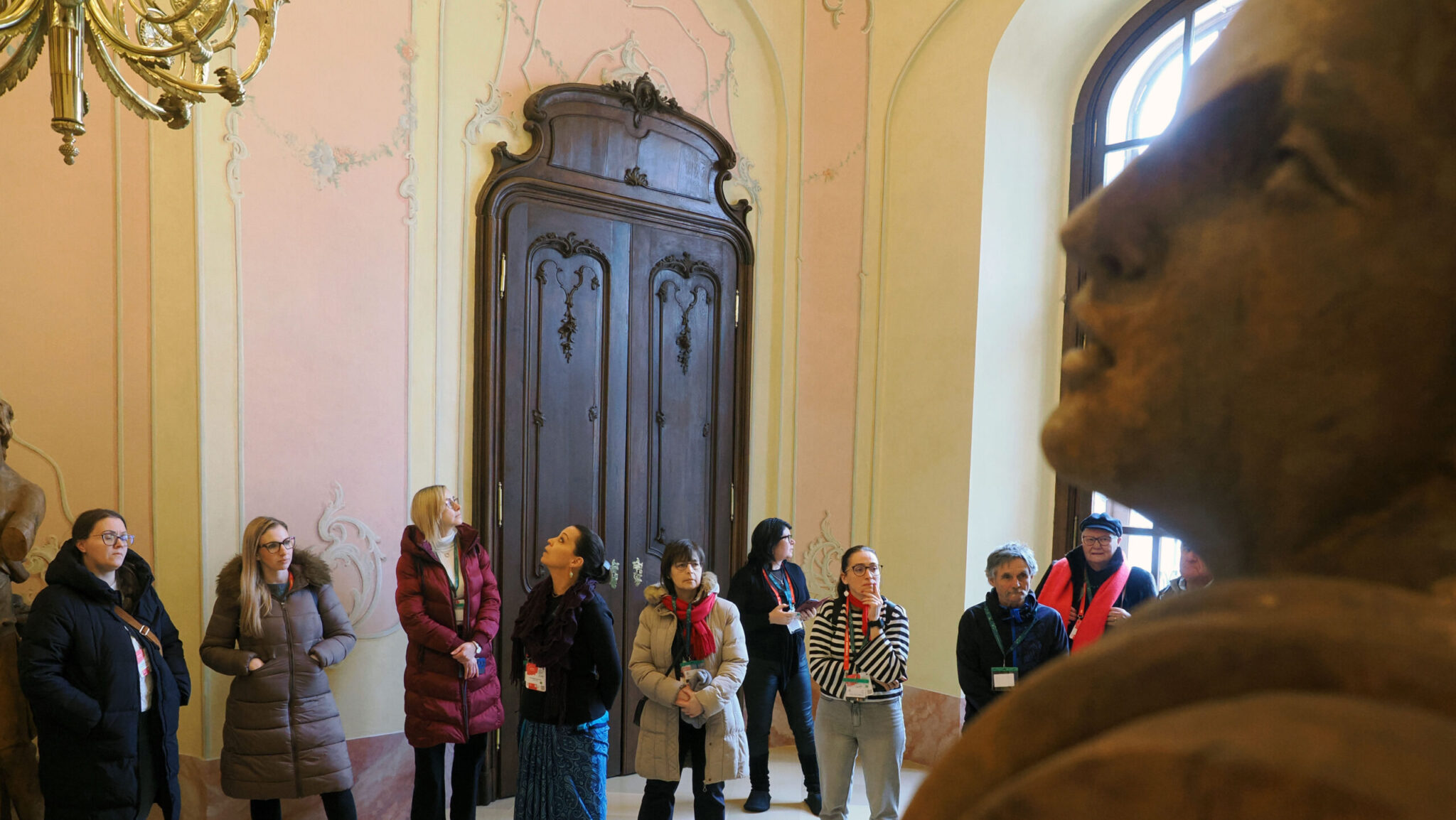
The Archbishop’s Palace can be visited as part of a guided tour of the castle. During the tour, visitors not only walk through the rooms but also follow a carefully crafted historical narrative: through the world of Baroque grandeur, they gain a deeper understanding of the era that fundamentally shaped the Castle District’s current character.
The Archbishop’s Palace is therefore more than just a beautiful building. It is a place where the space itself speaks: the walls tell of power, the ceilings of the world, and the details of human presence. Those who enter do not merely see; they become part of a story that has shaped Veszprém over the centuries.
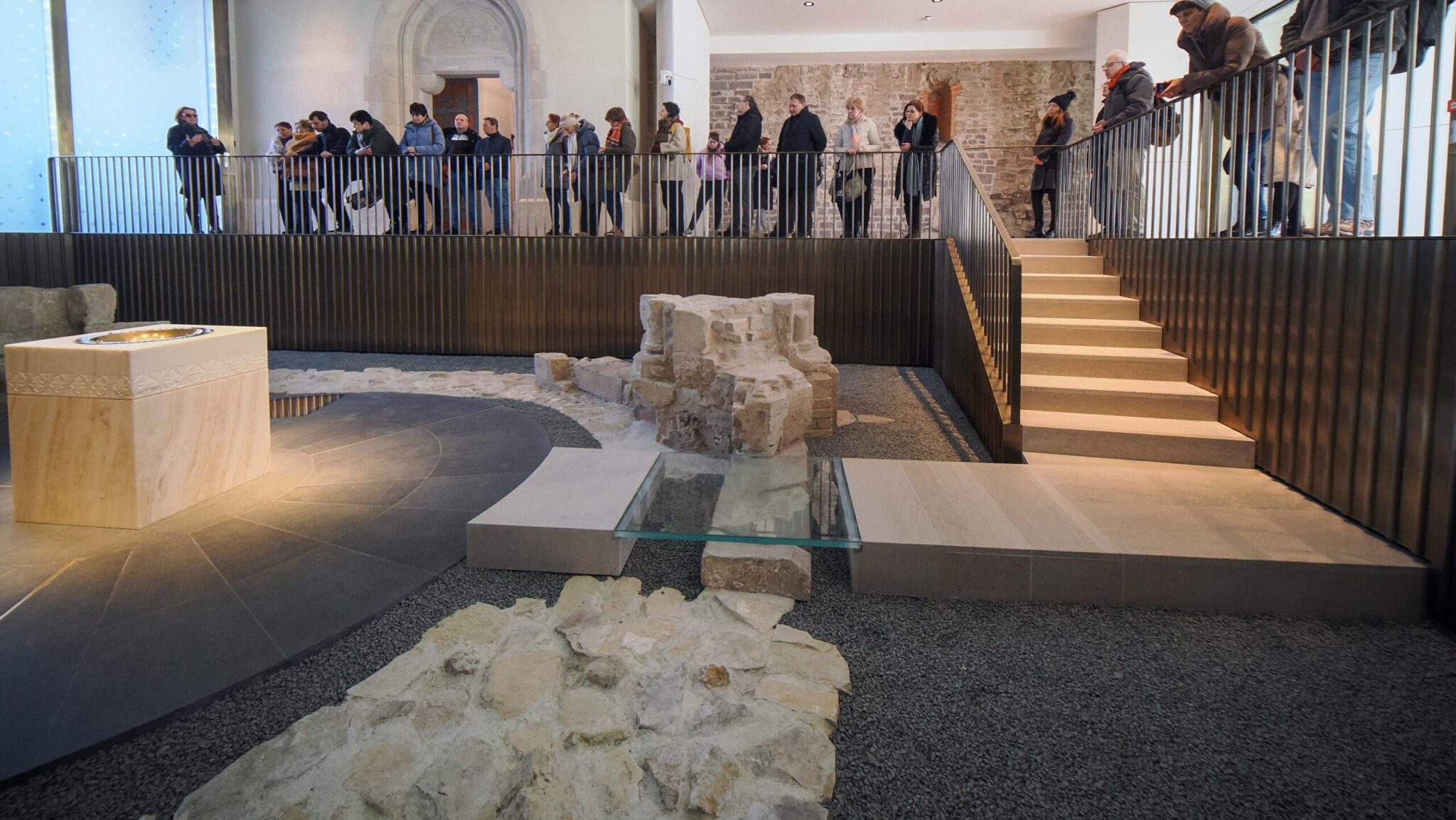
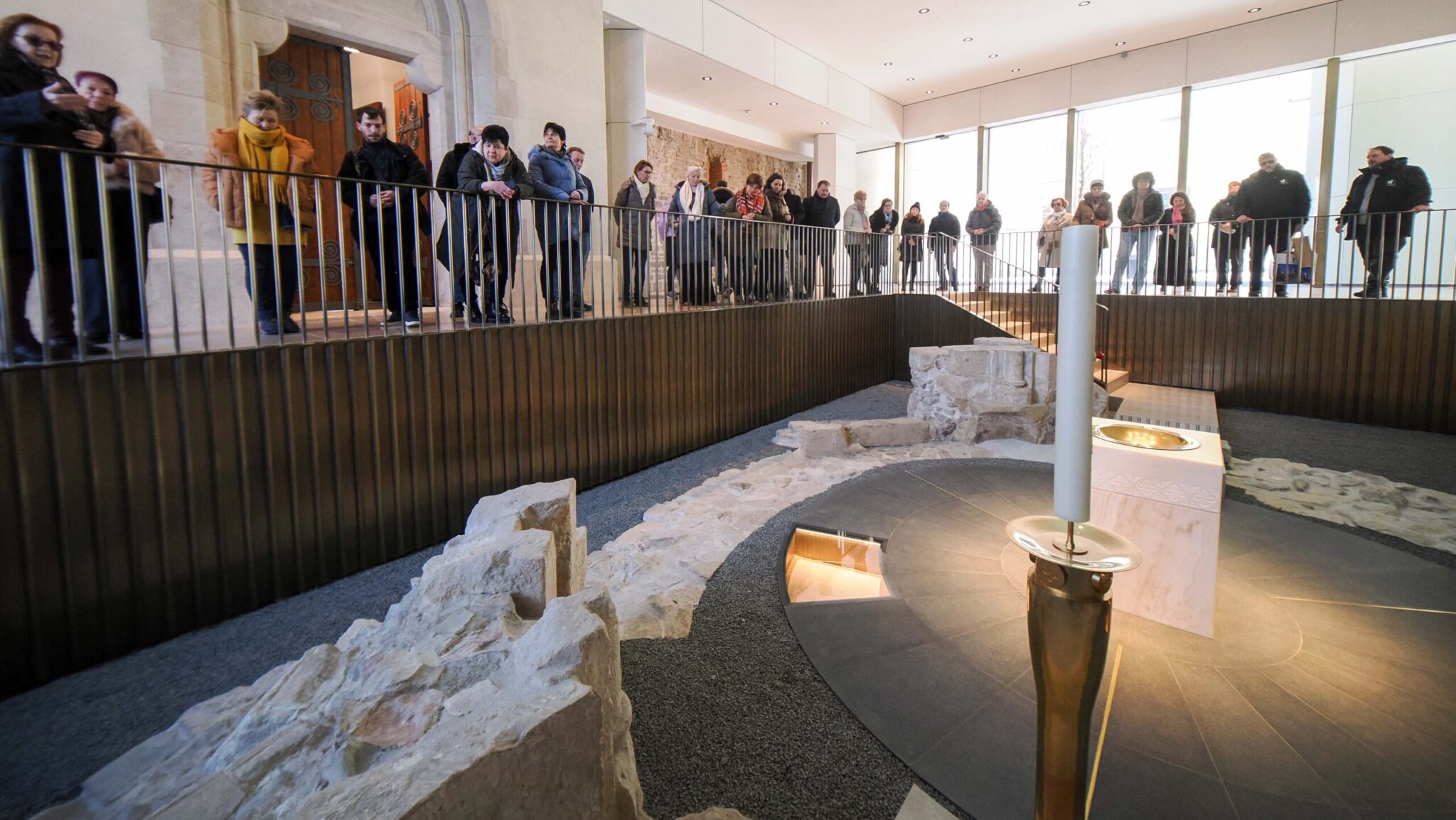
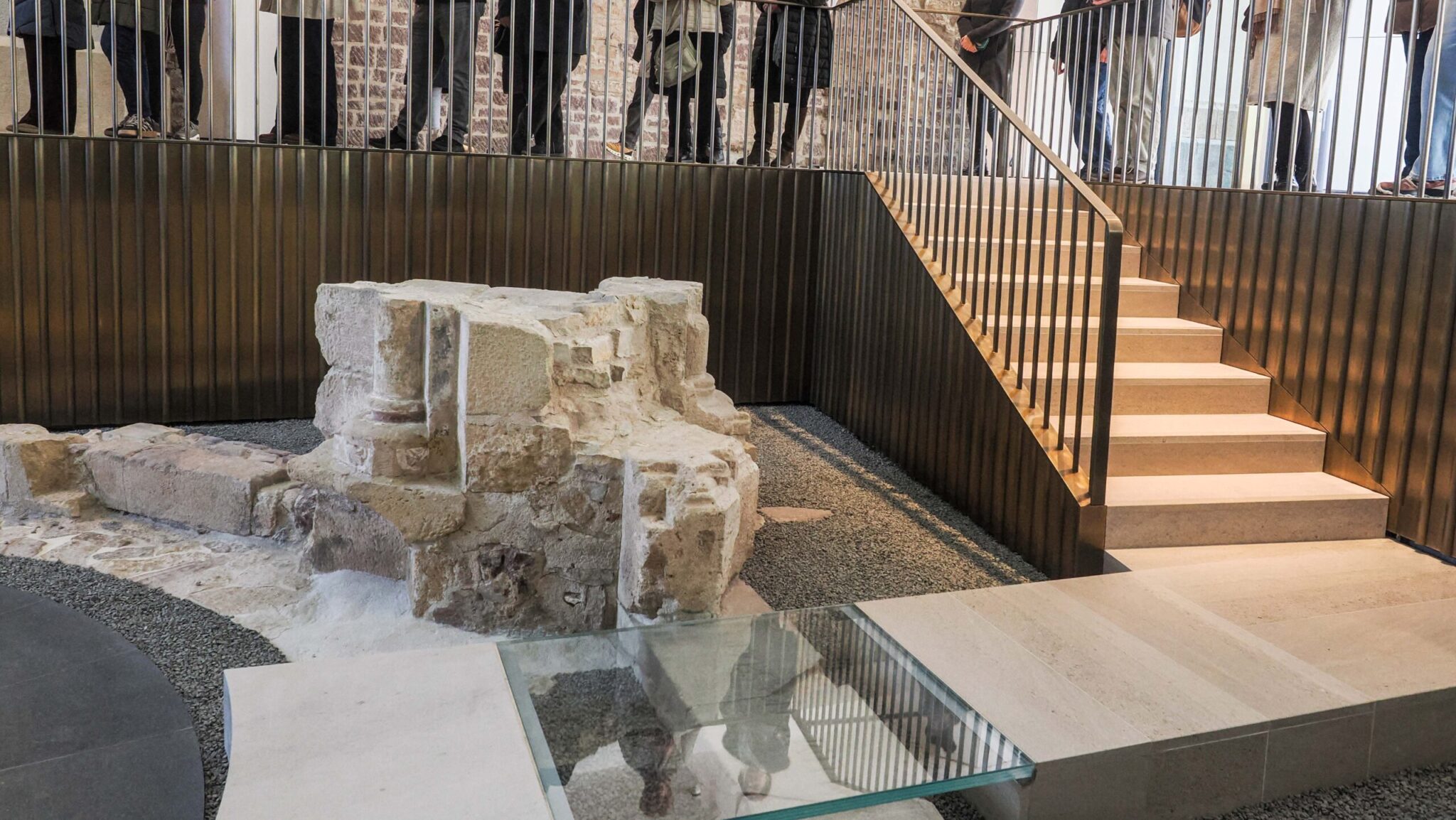
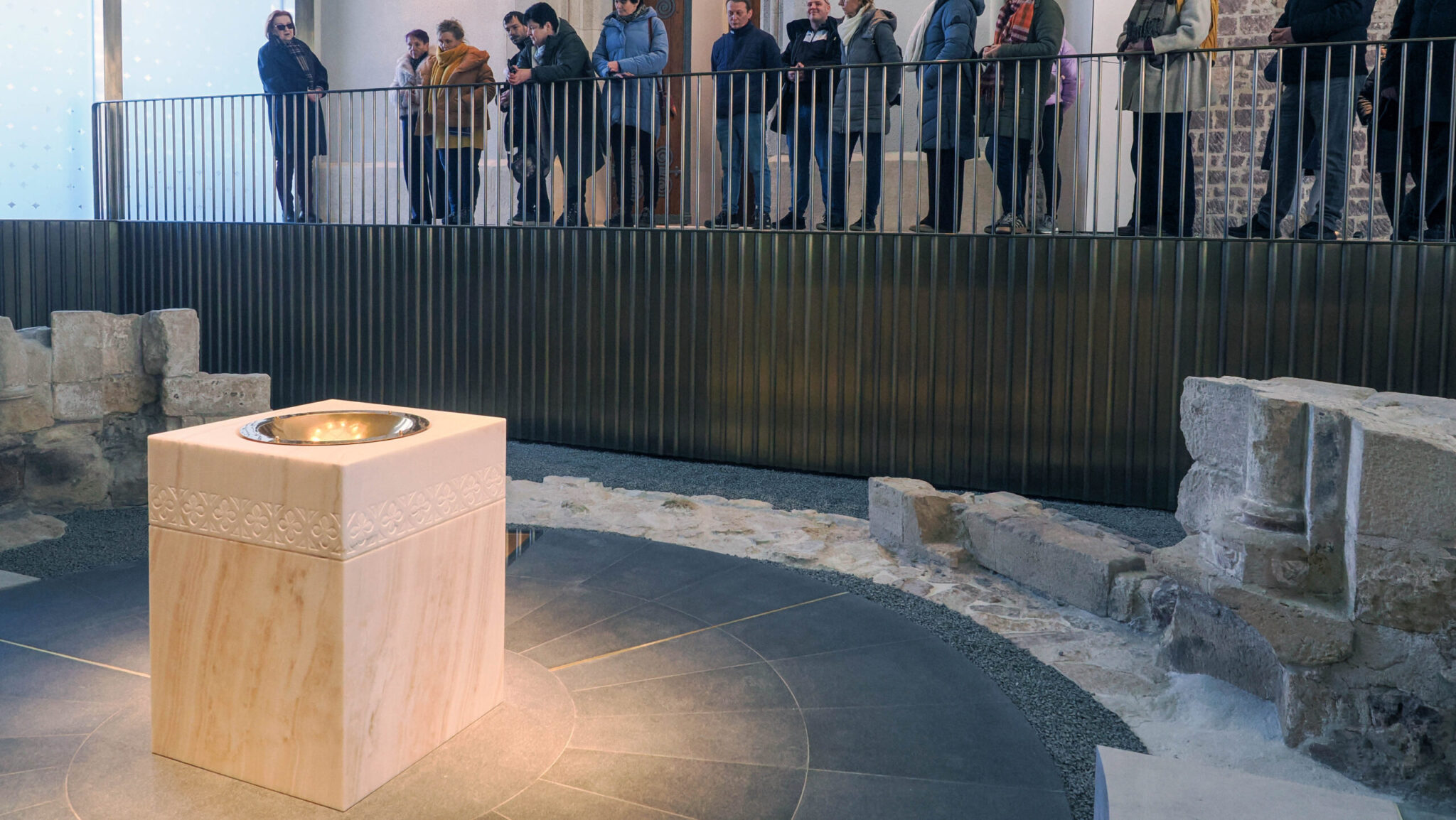
St. George’s Chapel is one of the oldest and most unique sites in Veszprém’s Castle District. Here, visitors see not just a building, but the very beginnings: the point where the earliest layers of Hungarian Christianity come within almost tangible reach. The remains excavated beneath and around the present-day chapel point to an early, circular-plan structure that likely dates to the turn of the 10th and 11th centuries. This rotunda is one of the most important historical centers of the square, marking the earliest sacred use of Castle Hill.
The site is steeped in tradition: according to medieval sources, it was here that King Saint Stephen made the vow in which he reaffirmed his commitment to Christianity. This story is not merely a legend, but a layer of collective memory that has defined the site’s significance for centuries. The chapel is thus both a historical and symbolic space: the ideas of the beginning, commitment, and the founding of the state are concentrated within it.
Over the centuries, the chapel was rebuilt several times and its form changed, but its function remained the same. Its current state is the result of excavations and restorations, allowing visitors to sense the presence of different eras all at once. The space does not display a uniform style, but rather layers: stone walls, traces of the original floor plan, and details that, arranged side by side, tell the story of the place.
St. George’s Chapel also serves as a baptismal chapel today. This function uniquely connects the past and the present: baptisms take place in a space that itself commemorates the beginnings of Christianity. For visitors, this is not merely information but an experience: a place that does not exist merely as a museum, but is still in use today.
The chapel’s name refers to Saint George, who in Christian tradition is the defender of the faith and the slayer of the dragon. This motif resonates particularly strongly at other sites in the Castle District, where medieval symbols and stories appear time and again. The name thus not only identifies but also interprets: it brings the imagery of struggle, faith, and victory into the space.
St. George’s Chapel can be visited as part of a guided tour of the castle. During the tour, visitors step not only into a chapel, but also into one of the deepest historical layers of the Castle District. It is here that the origins of the story—which continues in the cathedral and other sacred spaces—truly come into focus.
St. George’s Chapel is therefore one of the most important sites in the Castle District: a place where the beginnings are not merely theoretical concepts, but a space one can actually enter. Those who come here do not merely see the past; they come face to face with the moment when a single decision set the course of history in motion.
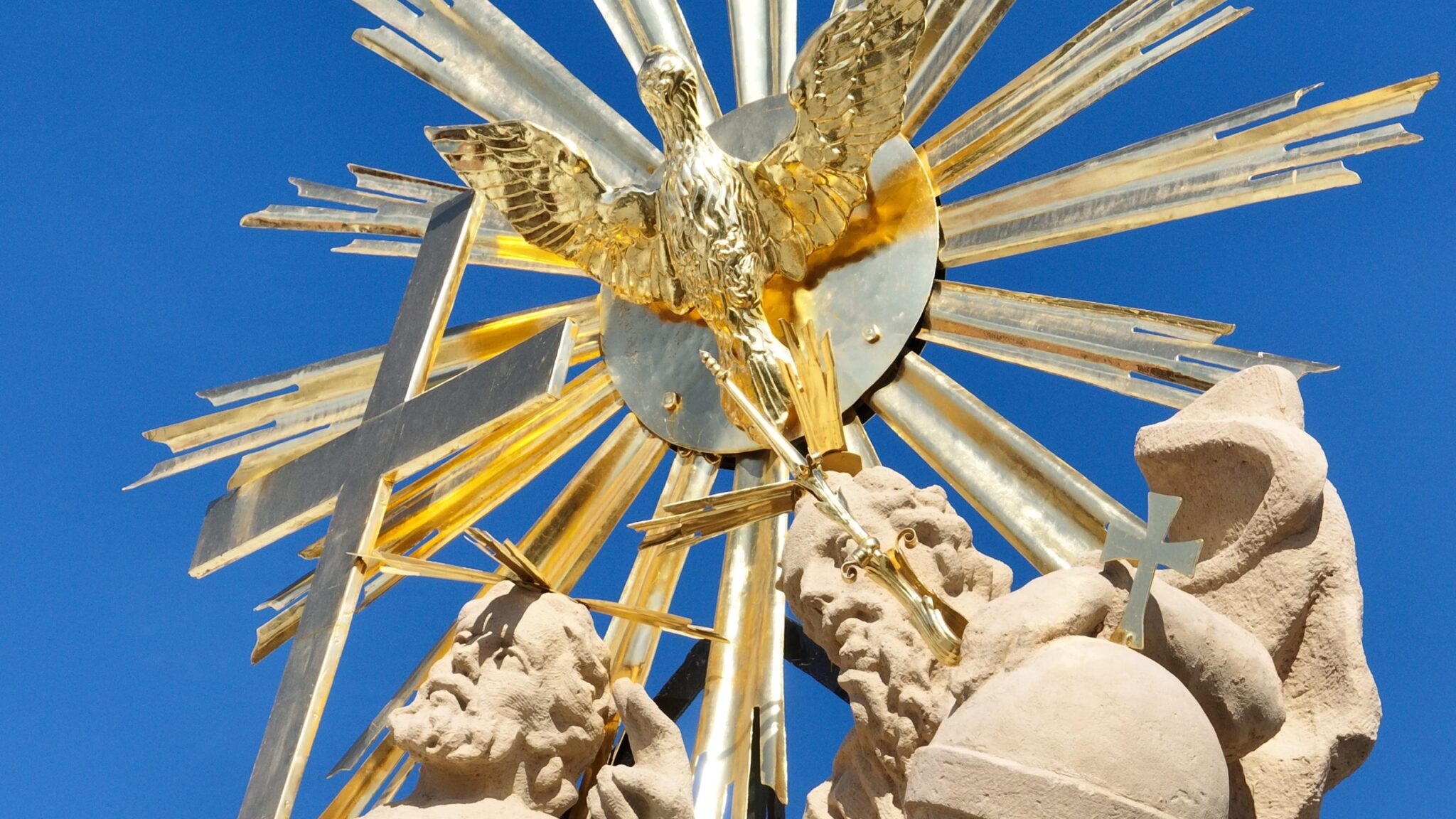
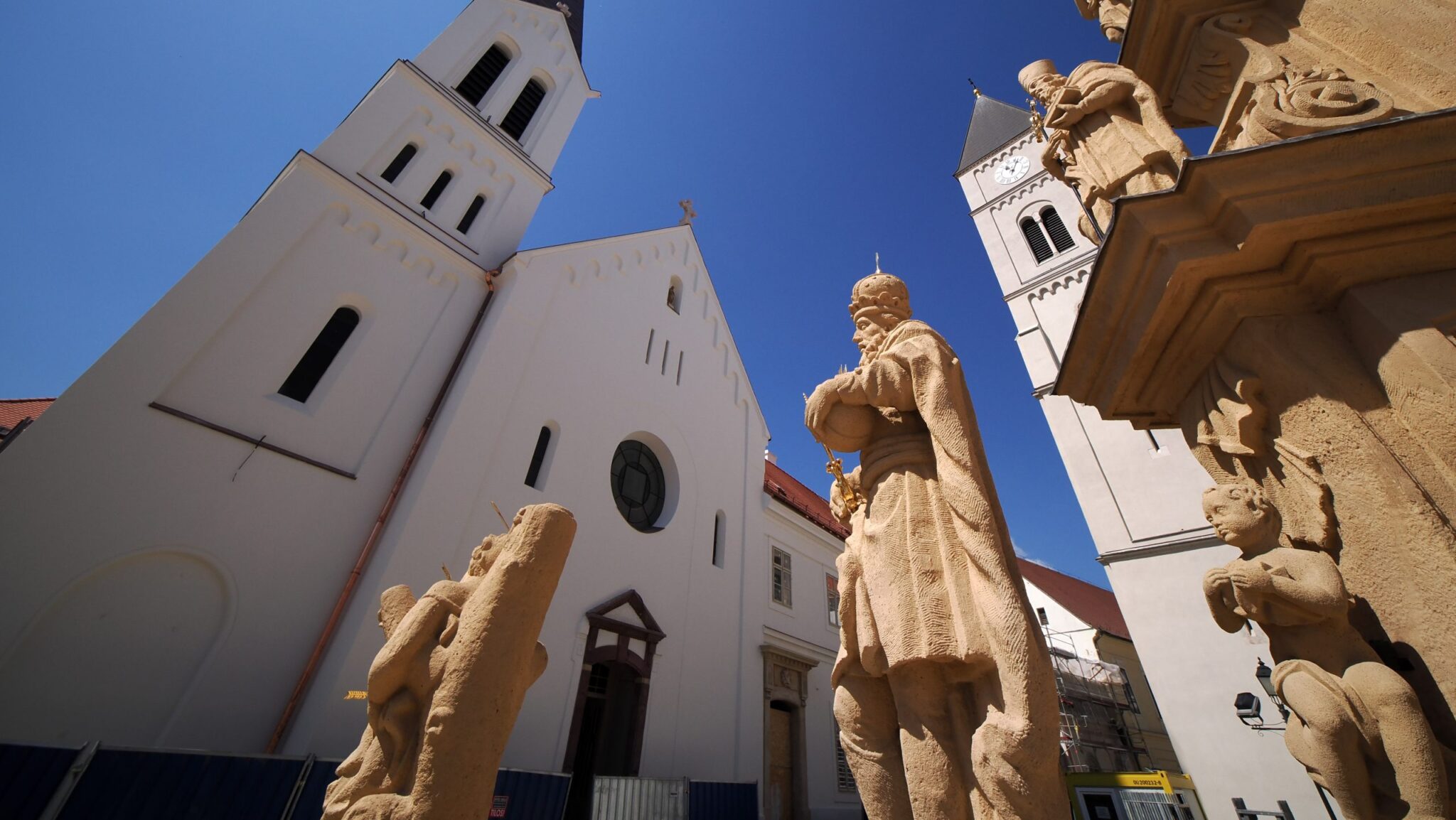
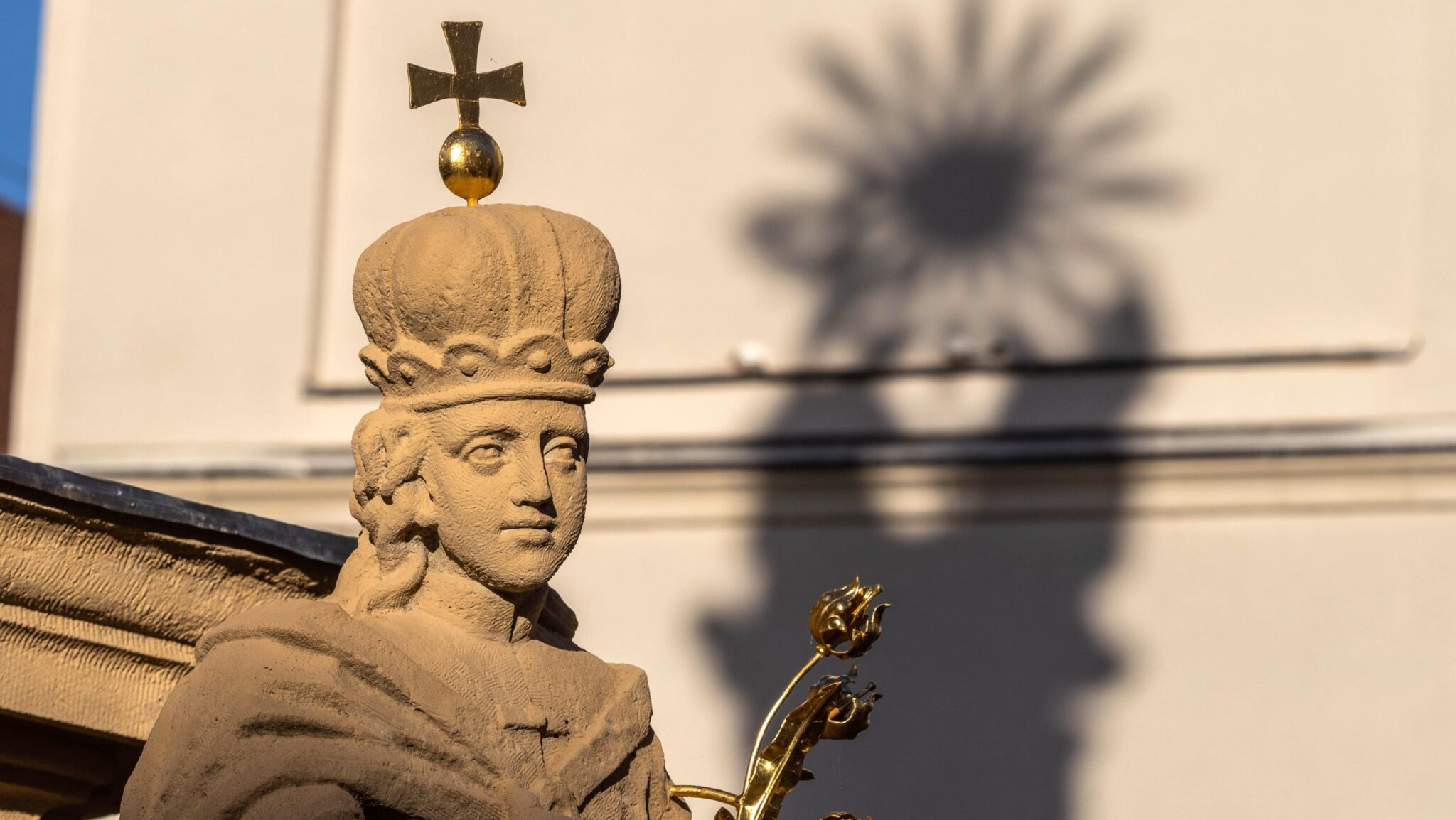
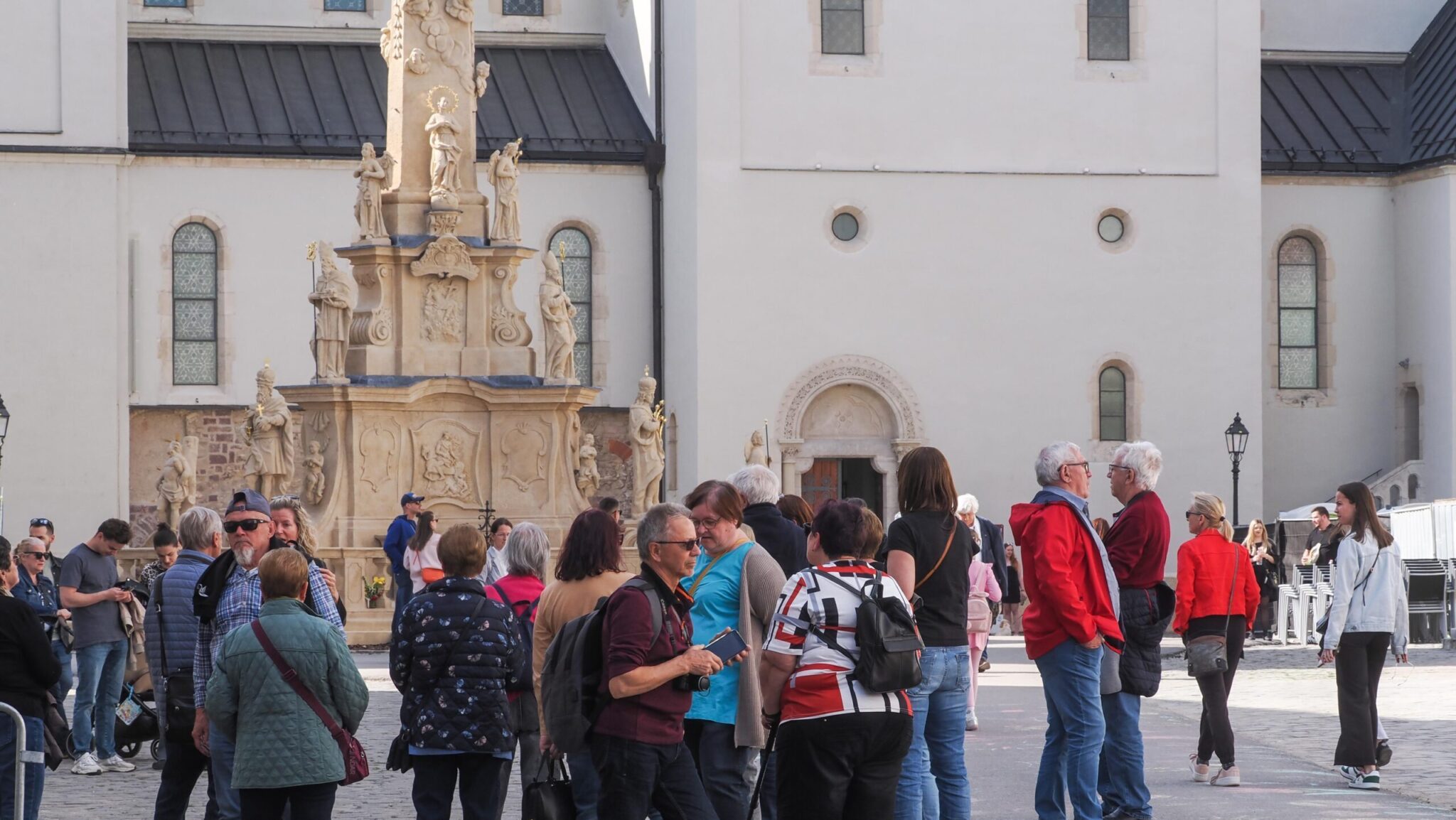
The Holy Trinity Statue in Veszprém is one of the most distinctive landmarks of the Castle District: a focal point where the city’s history, faith, and everyday life converge. Erected in the 18th century during the reconstruction following the Ottoman occupation, this Baroque monument is a quintessential work of the era, embodying both religious significance and communal memory.
The erection of the statue is linked to a vow and is closely associated with the name of Márton Padányi Biró, Bishop of Veszprém, who was one of the key figures in the city’s Baroque reconstruction. During that era, Holy Trinity columns were often erected as a sign of gratitude for the end of epidemics, particularly the plague. Veszprém also preserves such a memorial: a stone-carved symbol of the community’s survival, preservation, and new beginning.
The composition is structured vertically. Figures of saints appear on the base, above which the column rises, and at the top, a depiction of the Holy Trinity completes the composition. This vertical structure is not only visually striking but also carries meaning: it directs the gaze from the earthly world toward the heavenly. This is an important device in Baroque spatial design, guiding the viewer in a common direction.
The statue’s location is no accident. Standing in the center of Trinity Square, it not only adorns but also organizes its surroundings. The most important buildings of the Castle District radiate out from here, and the paths leading to various sites begin here. The statue is thus not only a monument but also a point of orientation: a sort of origin point to which visitors return again and again.
During the recent restoration, the statue was cleaned, and its details have once again become clearly visible. Following the restoration, the delicate carvings, the expressions on the figures’ faces, and the composition’s fine details are once again within the viewer’s reach. Those who stop before it see not only a monumental work of art, but a story that speaks to the community’s fears, hopes, and the strength born of its faith.
What makes the Holy Trinity statue unique is that it is both part of the everyday landscape and imbued with deep meaning. Visitors may walk right past it, but if they stop, they encounter a Baroque worldview that views the world as a unified whole: it brings human life, suffering, and hope together into a single composition.
The sculpture is the natural focal point of the square. Around it, movement slows down; the gaze lingers on a detail here and there, then moves on again. Anyone who takes the time for this brief pause will notice that this place invites not only a passing glance, but also a quieter, more attentive observation.
The Biró–Giczey House is one of the most complex sites in Veszprém’s Castle District: from the outside, visitors are greeted by the serene proportions of a Baroque residential building, but inside, a variety of eras and experiences unfold before them. The building took on its current form in the 18th century as part of a row of canons’ houses and was named after its former residents, Canons Márton Biró and Giczey. Originally the setting for the daily life of the ecclesiastical community, today it is one of the most important visitor centers in the Castle District.
The gift shop, ticket office, information desk, and starting point for guided castle tours are all located here. However, the building is not merely a starting point, but an attraction in its own right. Its interior houses several exhibitions that explore the history of the Castle District from various perspectives.
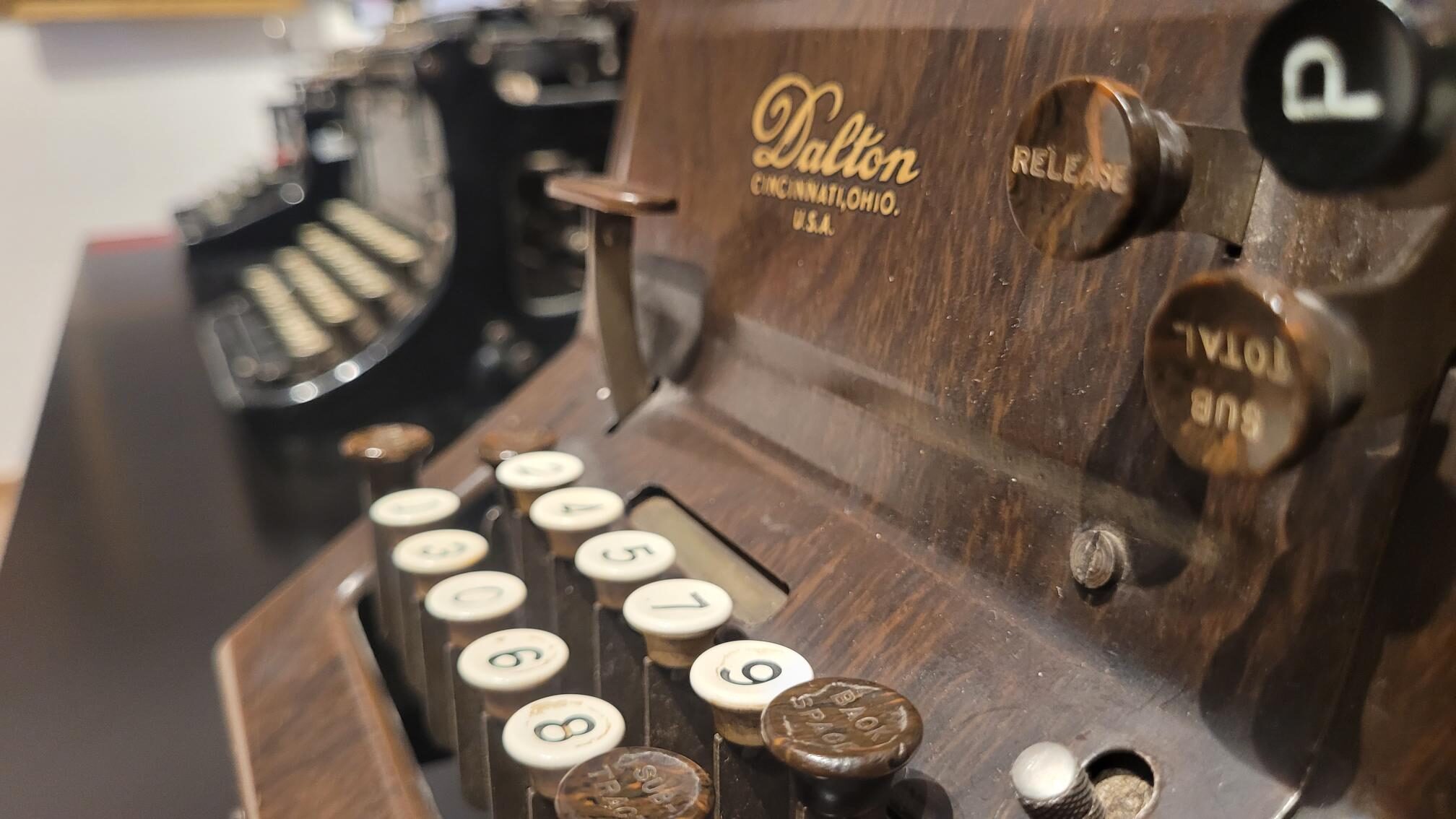
The archaeological exhibition is housed in the attic and traces the early history of the area through artifacts unearthed during excavations. The objects on display include everyday tools, architectural details, and unique finds that capture the essence of each era. The exhibition not only showcases these items but also invites reflection: visitors can see how our understanding of the past is built from small details.
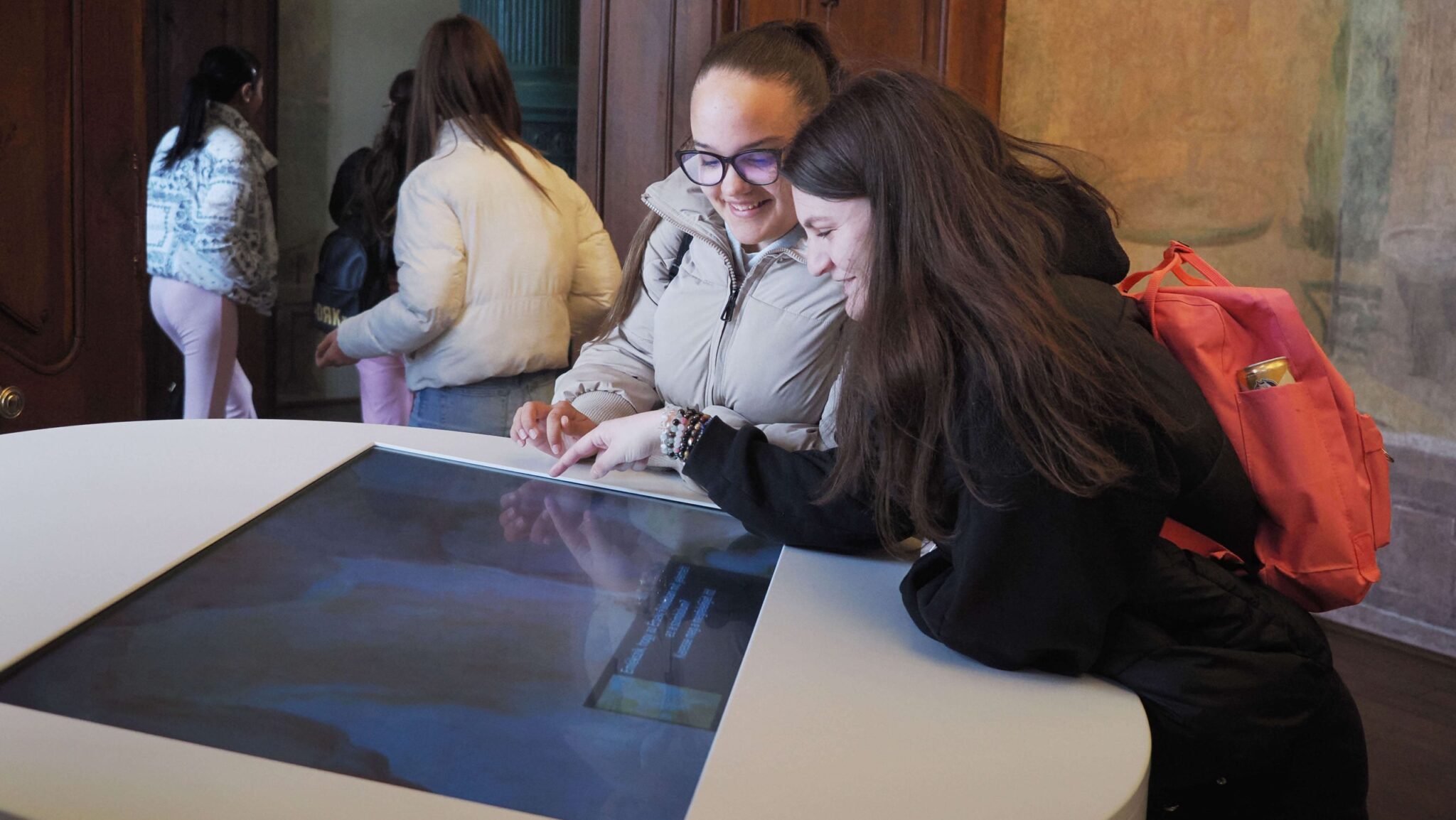
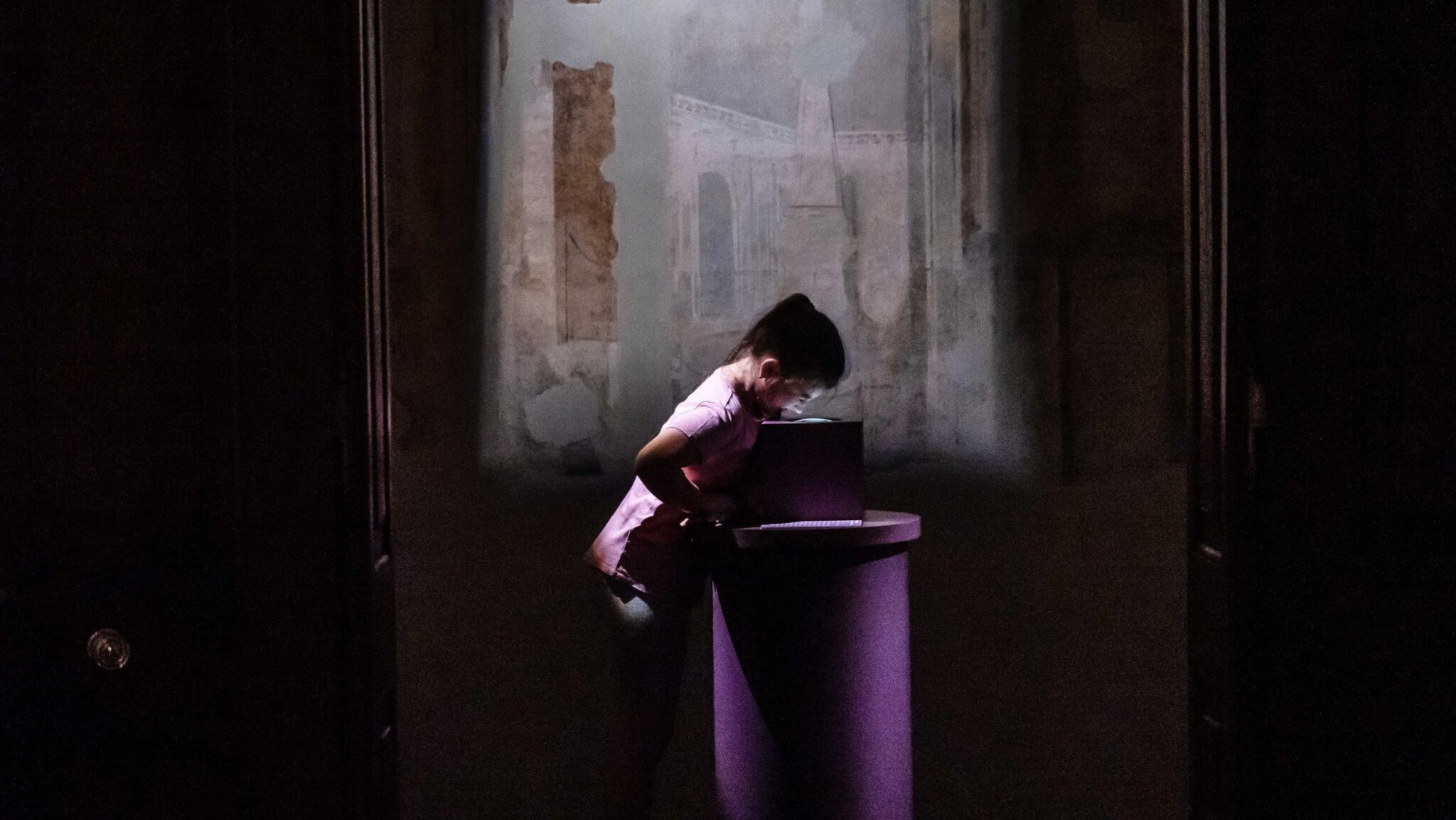
The exhibition titled “My Head Is Not a Chapel" offers a glimpse into the world of chapter house life. Through its interactive elements, visitors become not only observers but also participants in the story: through a kind of playful exploration, they gain a deeper understanding of how the canons lived, worked, and thought. The objects and activities in the space foster a more personal connection.
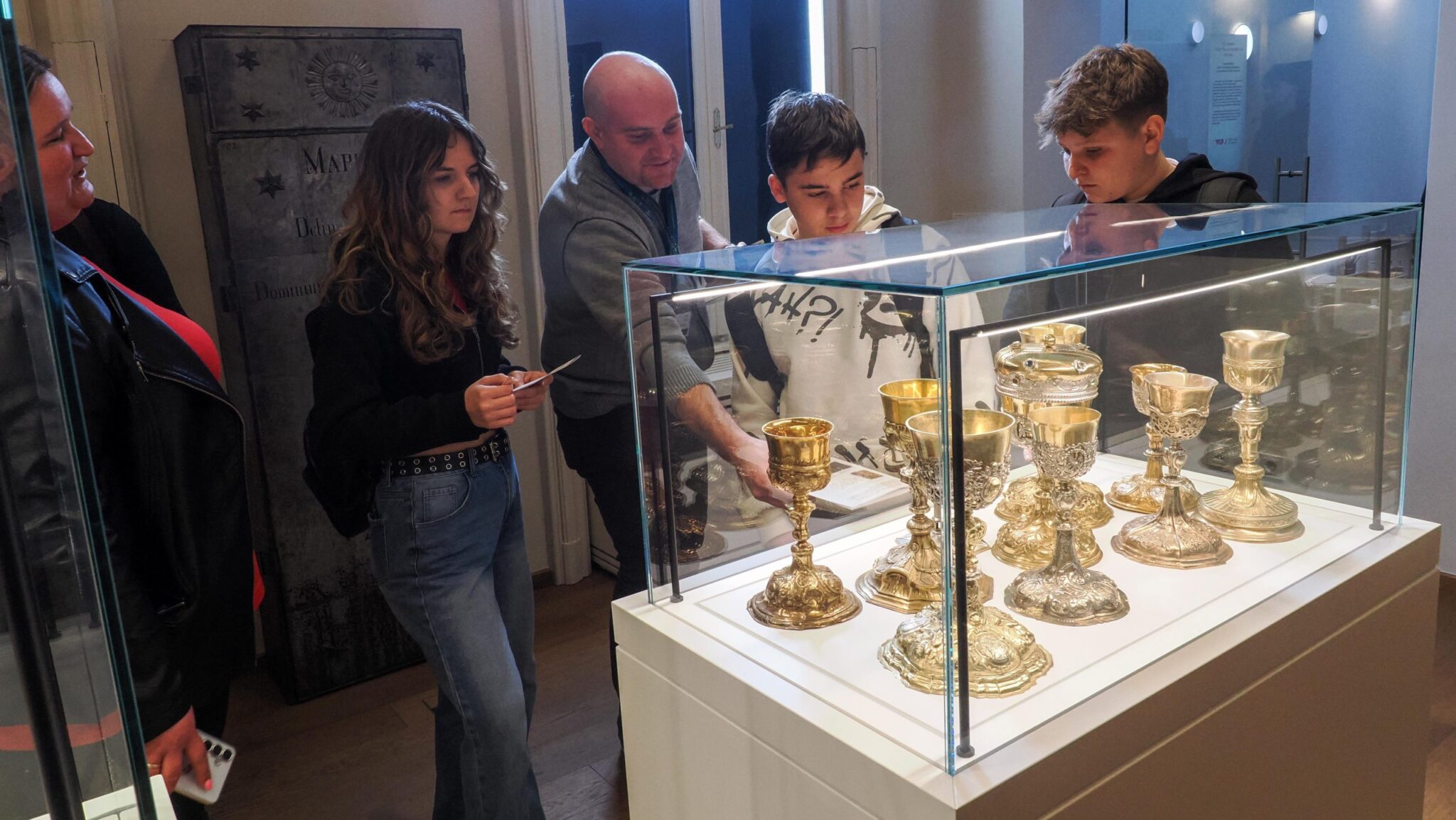
The exhibition in the chamber evokes the atmosphere of a Baroque interior. Through works of art and archival photographs, it illustrates how the cathedral and its surroundings have changed over the centuries. Here, no single narrative dominates; rather, a picture slowly comes into focus, built from the small details of the past.
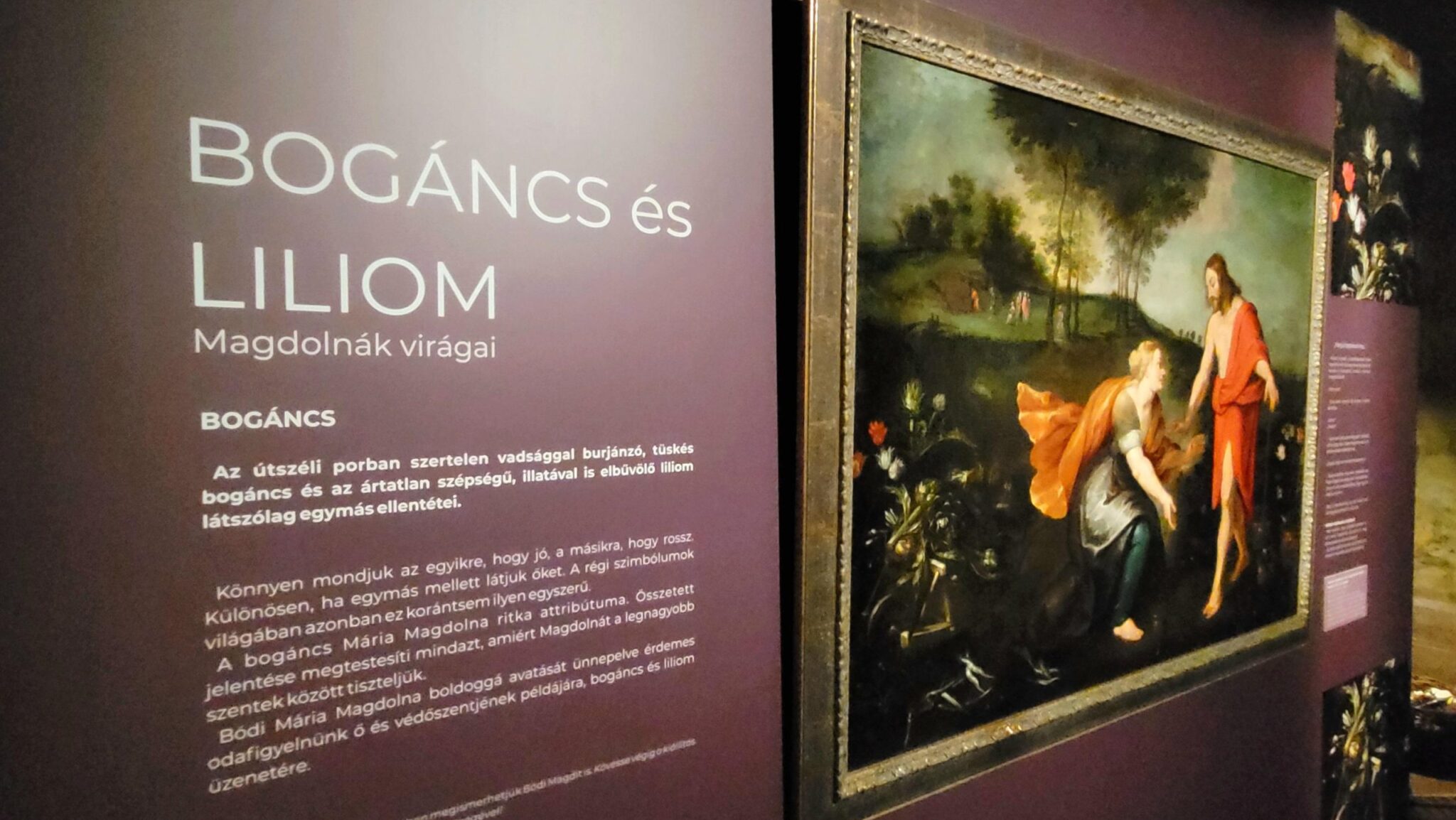
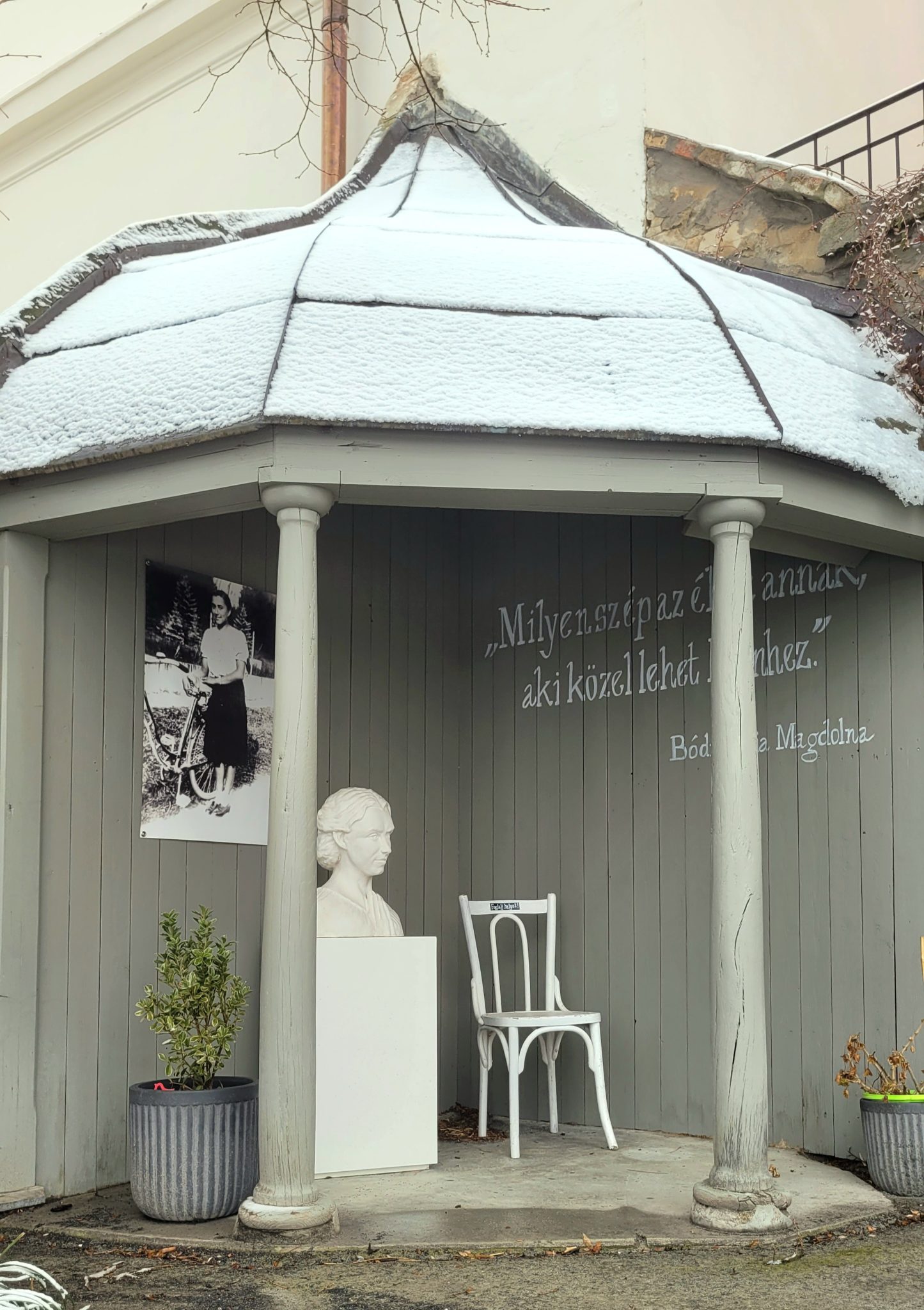
The exhibition Thistles and Lilies - The Flowers of Mary Magdalene also offers a unique experience, introducing a more sensitive, personal perspective through the figure of Mary Magdalene. The exhibition’s subtle use of light and richly detailed design allow visitors to explore the content at their own pace and ask their own questions about what they see.
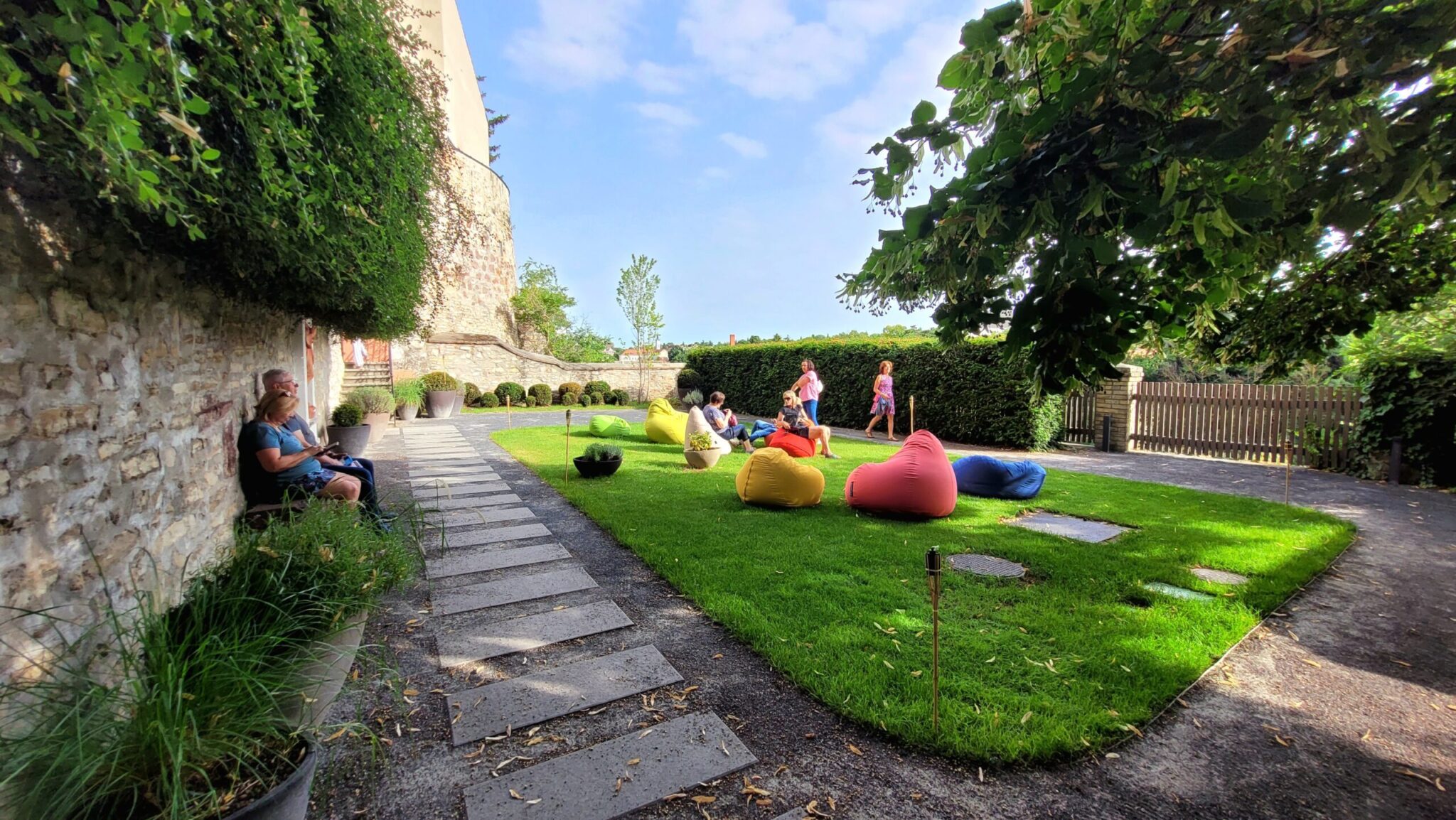
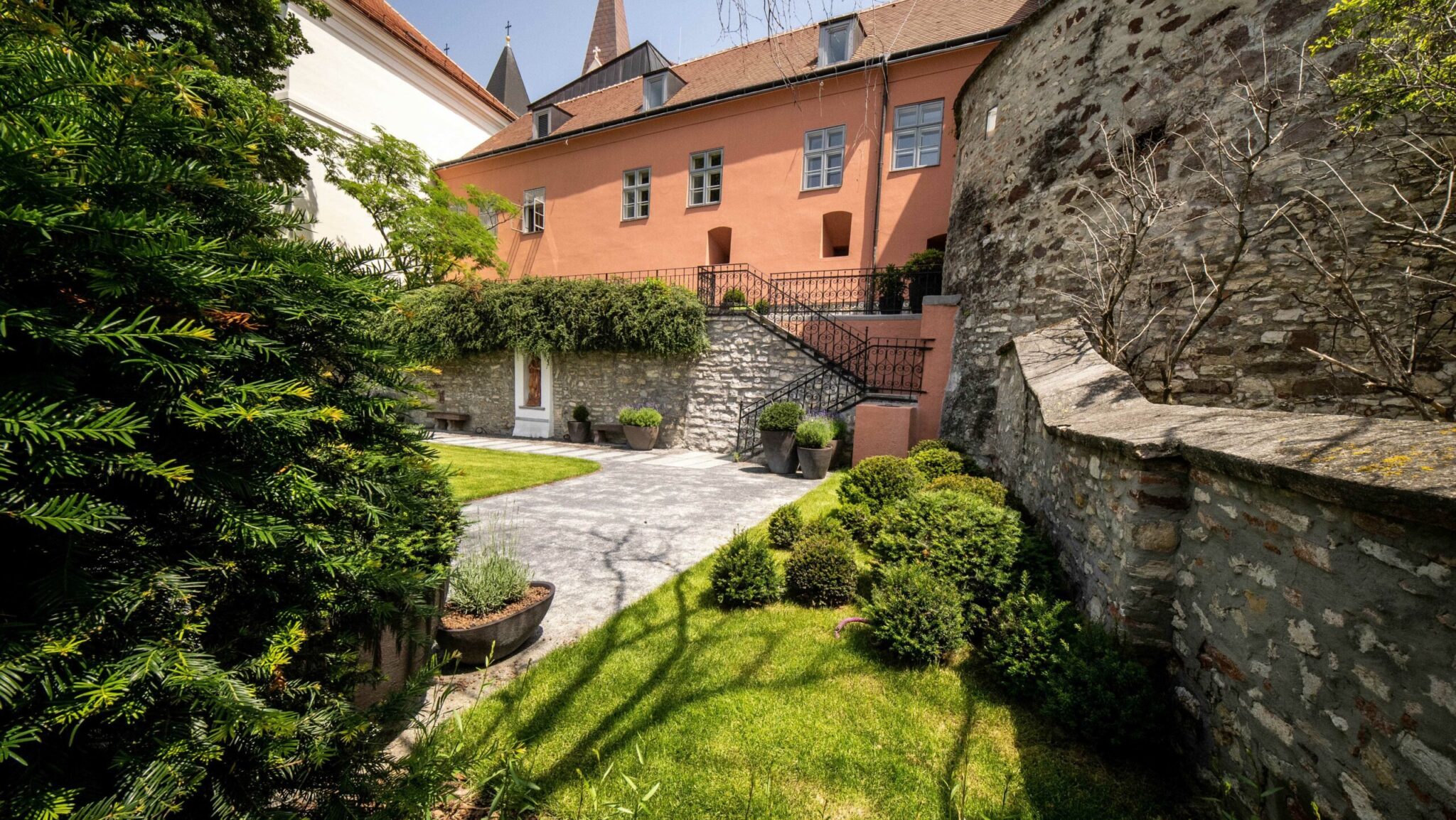
One of the most beloved parts of the house is the garden, which opens up a whole new world during a visit. This enclosed yet open space offers a more airy, tranquil atmosphere compared to the denser, stone-built surroundings of the Castle District. The garden is not just a place to rest, but a natural part of the visit: a spot where the experiences you’ve had can settle in. Time passes at a different pace here, giving visitors a chance to step away from the constant flow of information.
The distinctiveness of the Biró–Giczey House lies precisely in this richness of layers. It does not tell a single story; instead, it approaches the same world from multiple perspectives. Visitors can move freely between archaeology, narrative interpretation, interactive experiences, and quieter spaces, shaping their own path through the experience.
The house serves both as a gateway and a meeting point: this is where the exploration of the Castle District begins, and where visitors return, enriched with experiences. It is a place that does more than present—it provides a framework that makes the entire Castle District understandable and truly immersive.



A weboldal működéséhez szükséges sütik mellett statisztikai és tartalmi elemeket is használunk. A beállításokat bármikor módosíthatja.