THE GARDENS OF THE VESZPRÉM CASTLE DISTRICT


The gardens of the Castle District are no longer just green spaces after the renewal.
Interconnected spaces of varied atmospheres: quiet courtyards for rest, panoramic walkways, and gardens imbued with sacred meaning.
The historic buildings introduce a new rhythm to exploration.
The gardens of the Archiepiscopal Castle District of Veszprém

Biró–Giczey House garden

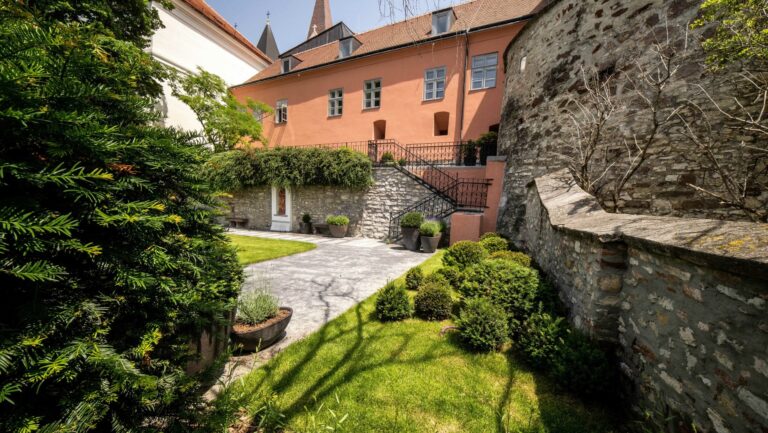
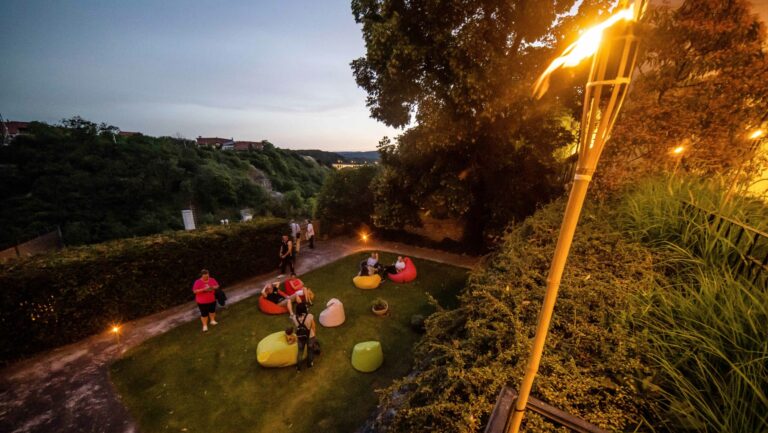
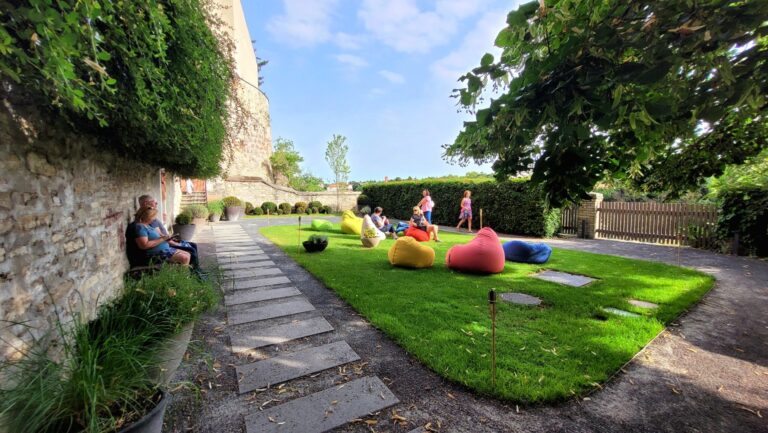
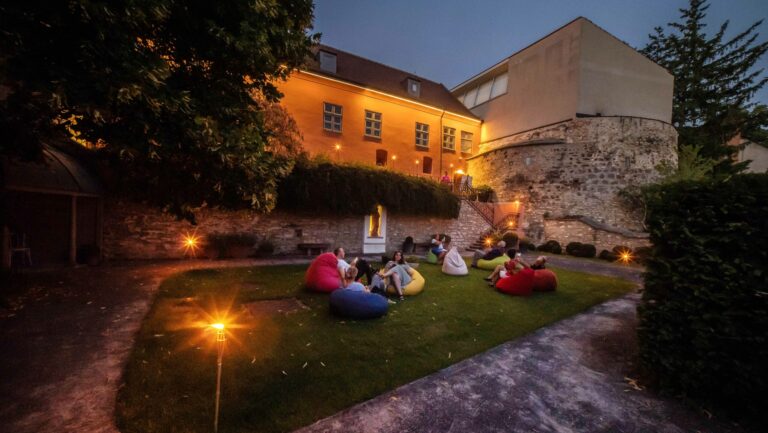
The garden of the Biró–Giczey House is one of the most welcoming and easily accessible outdoor spaces in the Castle District. As the house itself serves as the visitor center, ticket office, gift shop, and exhibition venue, the garden functions as a natural place to pause and transition: visitors arrive here, set out from here, and return here after a guided walk or visiting the exhibitions.

The value of the garden lies not in its size, but in the shift of rhythm it offers. After the dense, stone-built historic atmosphere of Vár Street, a more relaxed and tranquil spatial experience unfolds here. The garden also connects naturally to the exhibitions in the house: after the archaeological, chapter-related, and sacred themes, visitors are given a moment of breathing space where their experiences can settle.

Opening hours 

  • Monday: closed
  • Tuesday - Sunday: 10:00 a.m. - 6:00 p.m.

Érseki Palotakert

The garden behind the Archiepiscopal Palace has a distinctly unique character. Here, the garden does not appear as a lush, romantic green space, but rather as an elegant outdoor setting aligned with the palace’s representative architecture. The palace’s eastern façade has long been a defining element of the Veszprém castle skyline, as seen in archival images, and preserving its visual prominence remained a key consideration during the renewal. For this reason, the space is primarily shaped by paved terraces. These areas function as walkways, and at times as event spaces, outdoor exhibition venues, wine tourism settings, or open-air lounges connected to the ground-floor salons.

This garden functions as the palace’s outdoor “salon.” It does not seek to obscure the building, but rather to frame it. The more spacious area in front of the southern wing is suitable for the placement of sculptures and garden features, while planters aligned with the rhythm of the façade have been introduced into the space, planted with olive trees that tolerate the sunny, exposed conditions well.

The forecourt of the Archiepiscopal Palace also retains its representative order: a ramped driveway rises on both sides of the main entrance, while a more prominent, comfortable, fan-shaped Spanish stair leads pedestrians toward the entrance at the center; between the retaining wall flanking the driveway and the stair, a symmetrical green area appears, framed by globe-shaped clipped evergreens.

The garden of the Archiepiscopal Palace can be visited on special occasions.

Major Seminary garden

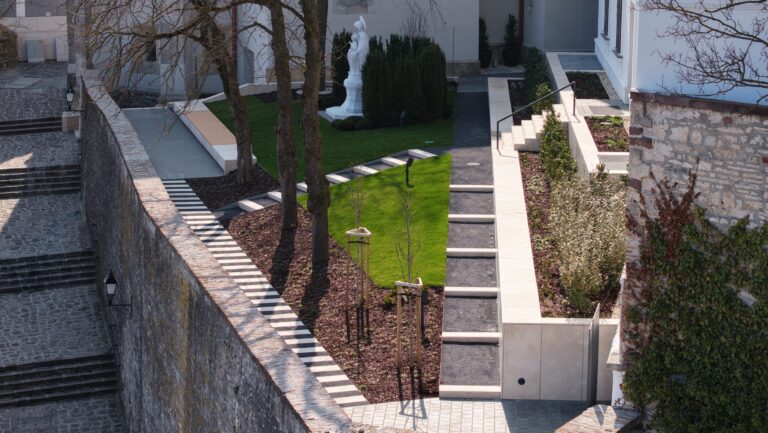
This garden lies behind the Seminary and alongside Saint Michael’s Cathedral, and as part of the renewal it has been given a more open spatial structure. This has created a more pronounced point of entry from the direction of Benedek Hill.

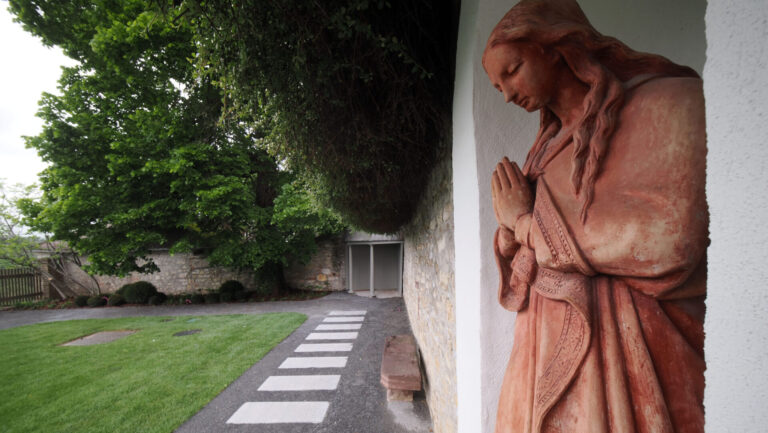
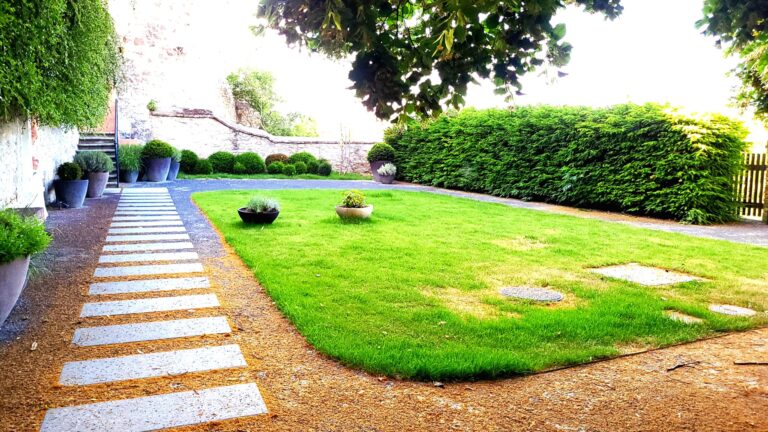
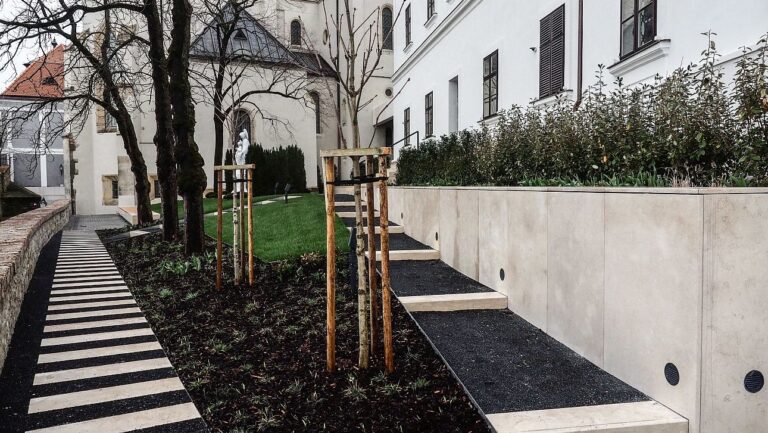
One of the garden’s key features is the walkway running along the castle wall. In front of the existing horse chestnut trees, it narrows into a path marked by stepping stones to protect the trees’ root systems and canopies. At the end of the walkway, a resting area has been created with movable chairs and an information panel.

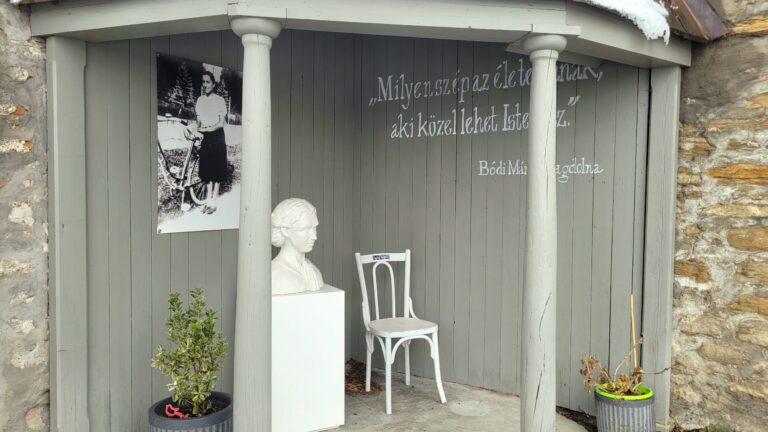
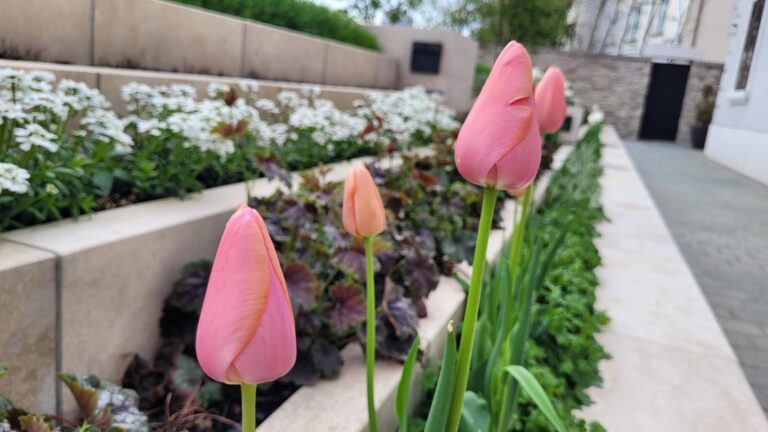
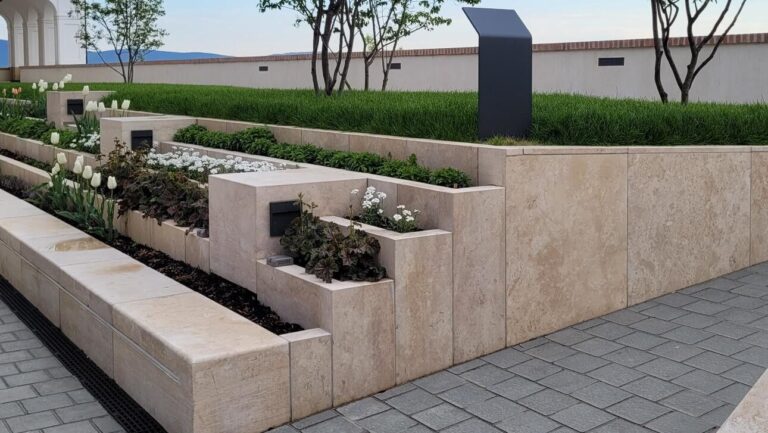
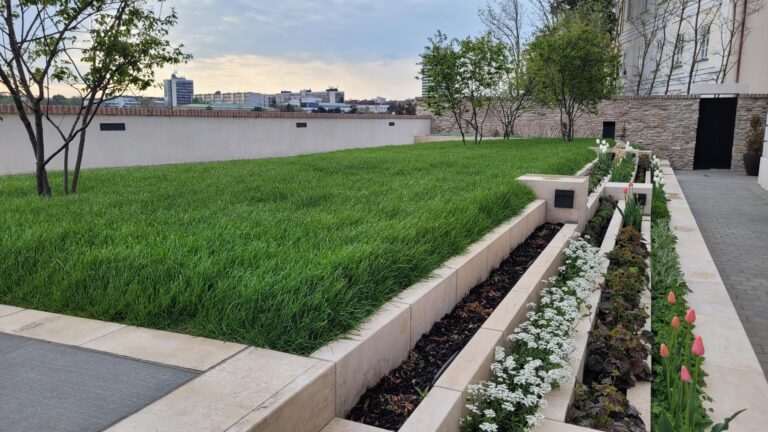
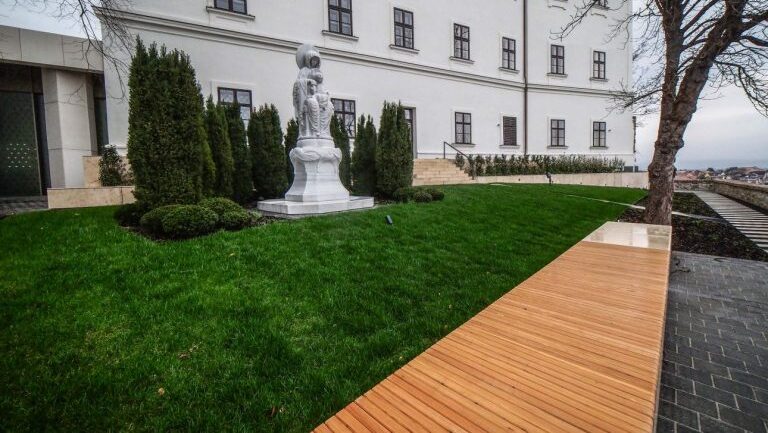
The garden serves more than just as a passage. A statue of the Virgin Mary has been placed at a focal point within the space. In front of the façade, terraced green areas defined by retaining walls appear, which can also be accessed barrier-free via the Saint George Chapel.

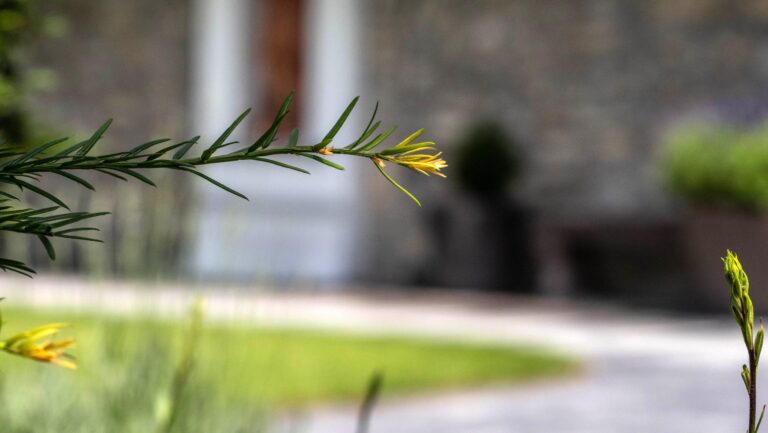
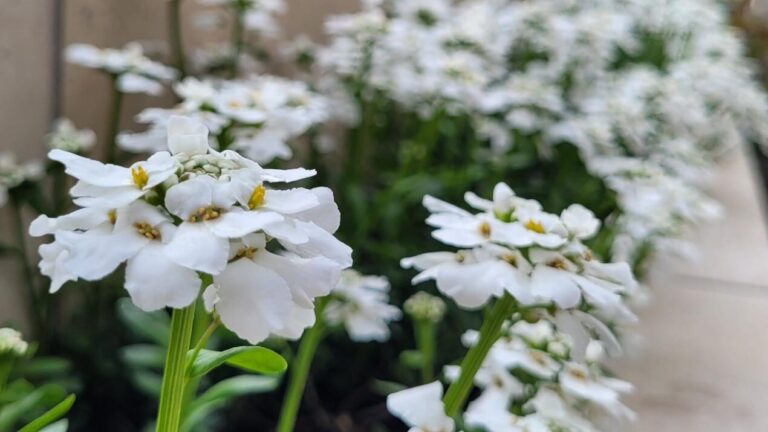
The plant symbolism of the site is particularly strong. The white lily, associated with the Virgin Mary, symbolizes purity, innocence, chastity, peace, truth, and the Word.

Opening hours

  • Open daily: 10:00 AM – 6:00 PM

Biró–Giczey House garden

The garden of the Biró–Giczey House is one of the most welcoming and easily accessible outdoor spaces in the Castle District. As the house itself serves as the visitor center, ticket office, gift shop, and exhibition venue, the garden functions as a natural place to pause and transition: visitors arrive here, set out from here, and return here after a guided walk or visiting the exhibitions.

The value of the garden lies not in its size, but in the shift of rhythm it offers. After the dense, stone-built historic atmosphere of Vár Street, a more relaxed and tranquil spatial experience unfolds here. The garden also connects naturally to the exhibitions in the house: after the archaeological, chapter-related, and sacred themes, visitors are given a moment of breathing space where their experiences can settle.

Opening hours 

  • Monday: closed
  • Tuesday - Sunday: 10:00 a.m. - 6:00 p.m.

Királynék kertje

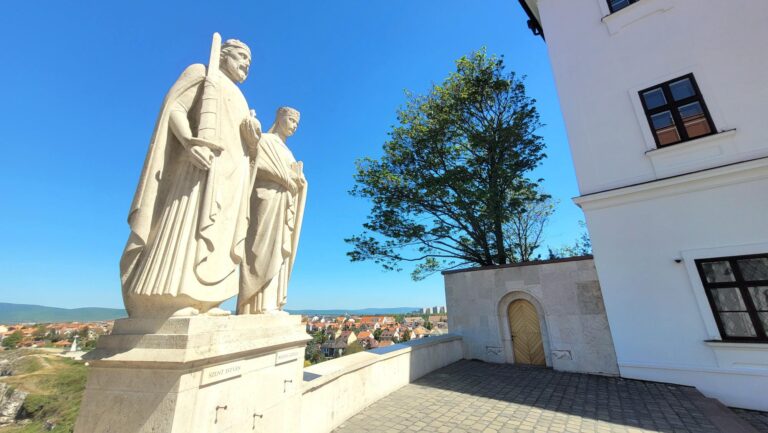
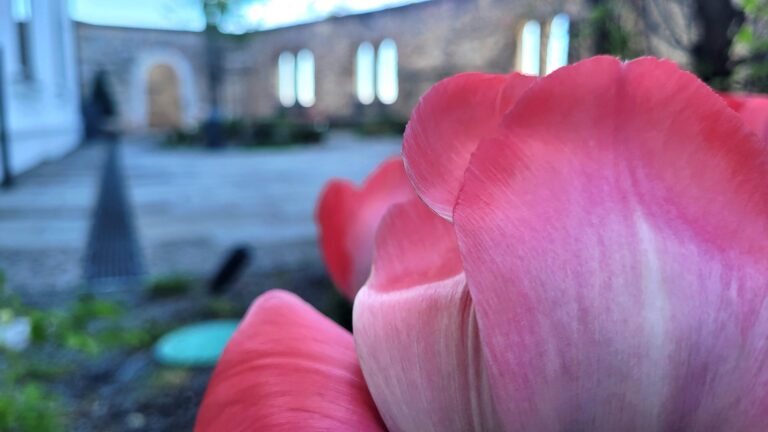
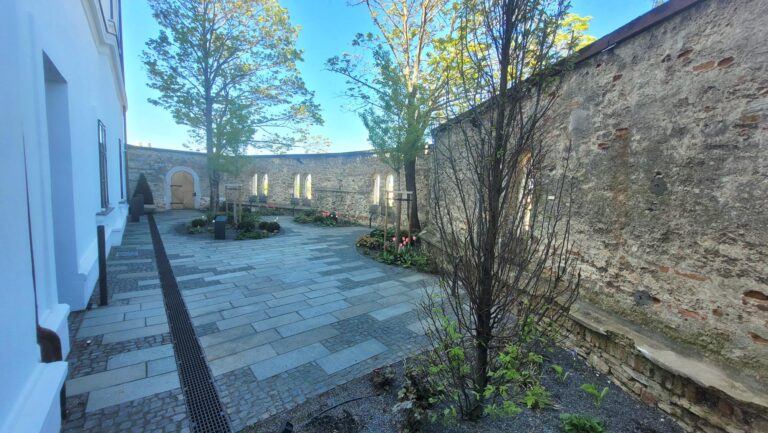
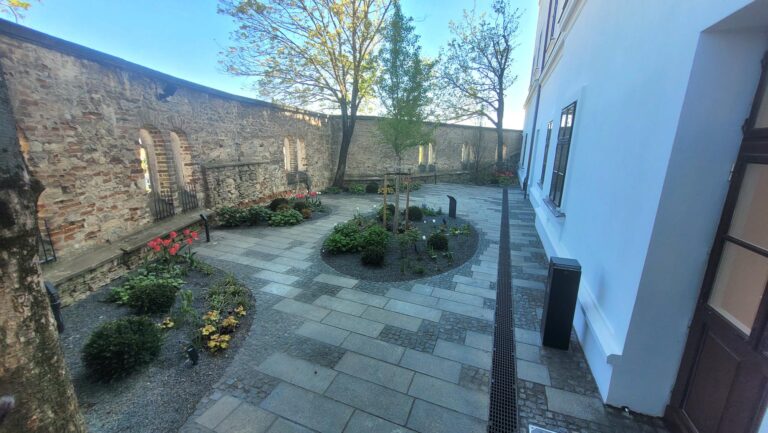
A Szent István és Boldog Gizella-szobor mellett, az ajtón túl egy csendes, falakkal ölelt kertbe érkezünk. A királynék kertje a Várnegyed egyik meghitt pihenőpontja: régi falak, virágágyások és árnyékot adó fák  között lelhetünk néhány nyugodt percre.

A kert falán nyíló, boltíves ablakok különleges panorámát kínálnak, mint kőbe foglalt keretek, egy-egy részletet emelnek ki a vár alatti városból és a távoli tájból, így a kilátás nem egyszerre tárul fel, hanem lépésről-lépésre, lassan bontakozik ki a szem előtt.

A látogatók számára a kert a várbeli séta természetes megállóhelye lehet: kávé, menü, fagylalt és sütemény mellett lehet megpihenni, mielőtt továbbindulnak a Vár utca, a szakrális helyszínek vagy a Várnegyed további élményei felé.

Major Seminary garden

This garden lies behind the Seminary and alongside Saint Michael’s Cathedral, and as part of the renewal it has been given a more open spatial structure. This has created a more pronounced point of entry from the direction of Benedek Hill.

One of the garden’s key features is the walkway running along the castle wall. In front of the existing horse chestnut trees, it narrows into a path marked by stepping stones to protect the trees’ root systems and canopies. At the end of the walkway, a resting area has been created with movable chairs and an information panel.

The garden serves more than just as a passage. A statue of the Virgin Mary has been placed at a focal point within the space. In front of the façade, terraced green areas defined by retaining walls appear, which can also be accessed barrier-free via the Saint George Chapel.

The plant symbolism of the site is particularly strong. The white lily, associated with the Virgin Mary, symbolizes purity, innocence, chastity, peace, truth, and the Word.

Opening hours

  • Open daily: 10:00 AM – 6:00 PM
en_GB