In mid-June, the Catholic Church celebrates one of the most intimate feasts dedicated to Mary. The Memorial of the Immaculate Heart of the Blessed Virgin Mary does not commemorate a historical event, but rather draws attention to inner values such as fidelity to the faith, compassion, and maternal love.
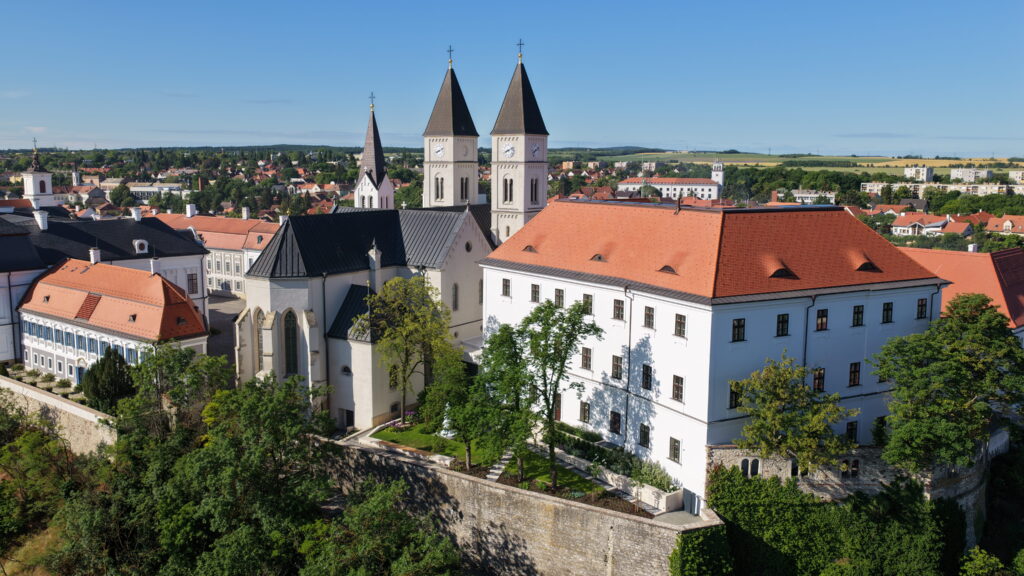
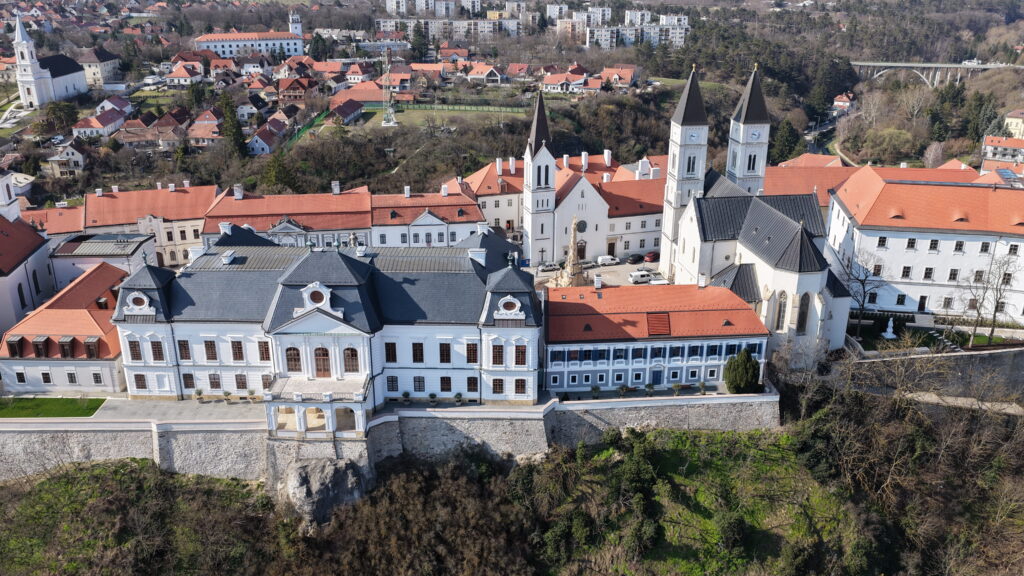
In Veszprém’s Castle District, this holiday takes on a unique, tangible quality. A statue of the Virgin Mary standing in a garden, a depiction of the Madonna dating back more than two hundred years, the city’s history linked to queens, and the altar of Mary in the cathedral all reveal different facets of the same tradition.
Anyone strolling through the streets of Várhegy this weekend is following in the footsteps of a tradition that has been taking shape for over a thousand years.
Mary and the City of Queens
The history of Várhegy in Veszprém is closely linked to Queen Gisela, the wife of Saint Stephen. For centuries, medieval Veszprém was known as the city of the Hungarian queens. The presence of the queens and ecclesiastical institutions, together with the veneration of Mary, shaped the cultural heritage that still defines the character of the Castle District today.
Fun fact:
For centuries, the Bishop of Veszprém held the exclusive right to crown Hungarian queens. This privilege secured Veszprém a unique place in the history of the Kingdom of Hungary.
The garden where it's worth spending some time
The garden of the Major Seminary is one of the quietest spots in the Castle District. Standing next to the statue of the Virgin Mary, you can take in both the historic surroundings and the panoramic view of the Séd Valley.
Why is it worth visiting?
- a statue of Mary set in a historic setting;
- a unique view of the city;
- a short detour from Vár Street;
- one of the most charming spots in the Castle District.
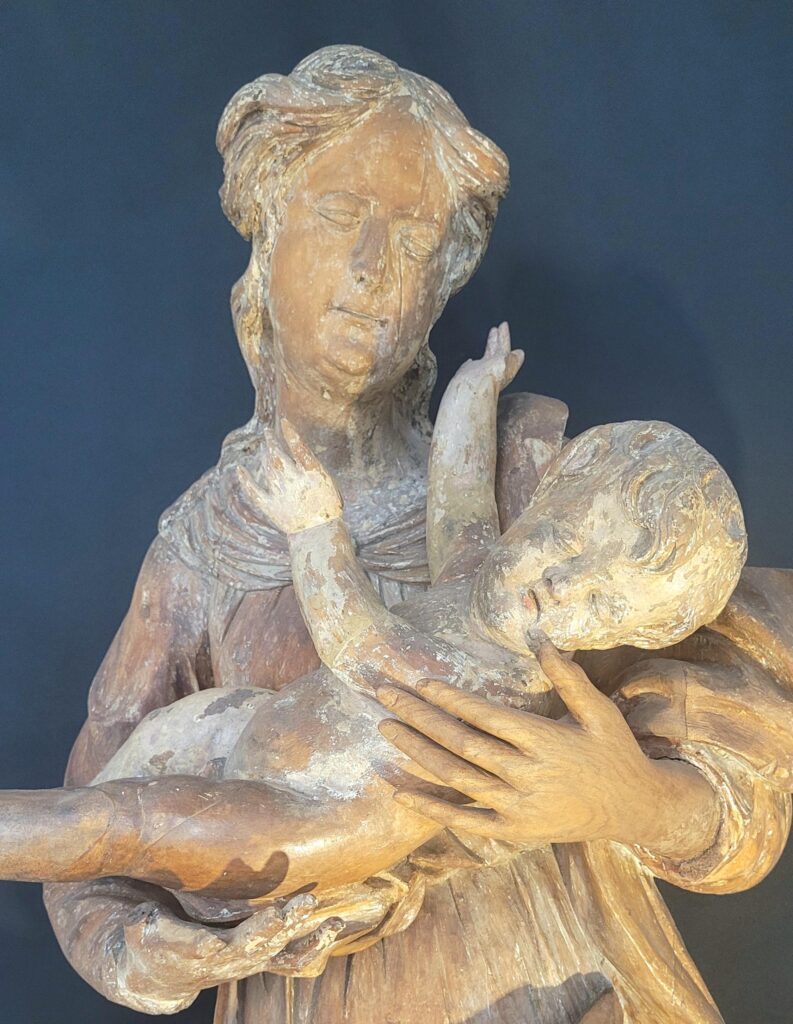
The Madonna, which has been part of the cathedral for centuries
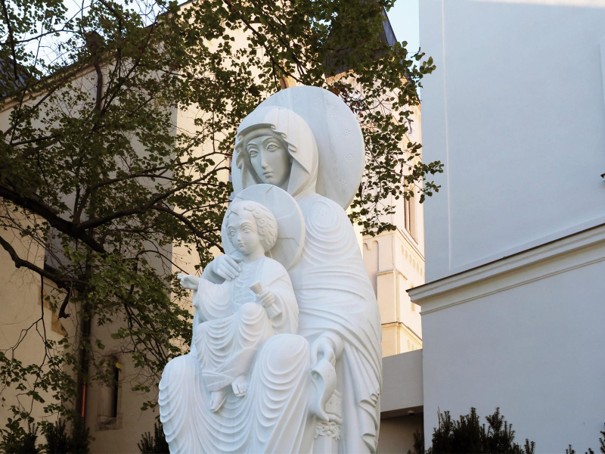
One of the most valuable artifacts in the Biró–Giczey House’s Pantry Exhibition is the 18th-century wooden sculpture titled “Madonna and Child.”
The statue was originally part of the cathedral’s Baroque furnishings. According to a photograph taken in the early 20th century, the statue once stood on the altar of the cathedral’s crypt. Contemporary tradition linked this location to the memory of Prince Saint Imre’s vow. Research indicates that the statue was once covered with a white coating and was dressed up on festive occasions, while Mary and the infant Jesus wore crowns.
Fun fact:
The statue of the Madonna on display in the Chamber is the very same artwork that once stood on the altar in the crypt of the cathedral. Today, visitors can view the sculpture—which the faithful of Veszprém have admired for centuries—from just a few centimeters away.
The Other Side of Feminine Holiness
The temporary exhibition *Thistles and Lilies: The Flowers of Mary Magdalene*, on view at the Biró–Giczey House, offers a fresh perspective on the world of Christian female role models. Through the life story of Mary Magdalene Bódi, the exhibition explores the themes of faith, resilience, and dedication. The Madonna statue, the depictions of Mary, and the Magdalene exhibition together offer a particularly timely experience during the weekend of the Feast of the Immaculate Heart.
Baroque Family Portrait at the Archbishop's Palace
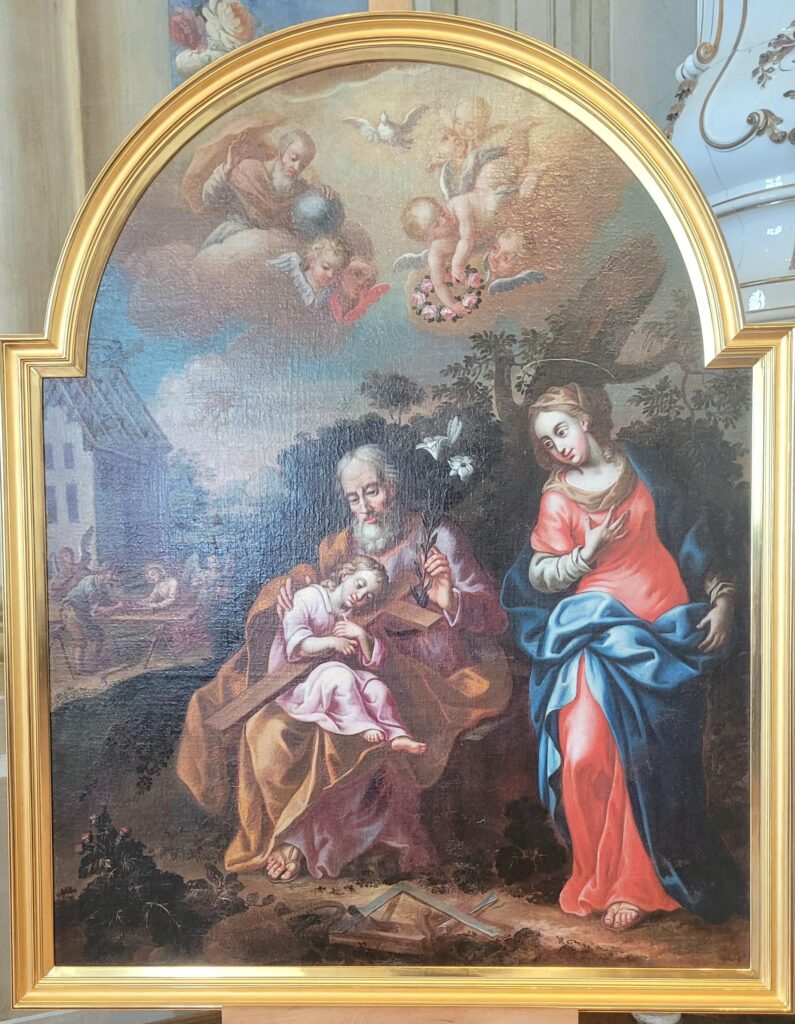
One of the highlights of the guided castle tours is the Archbishop's Palace.
The depiction of the Holy Family on display in the palace’s state rooms offers a glimpse into the world of 18th-century painting. The composition centers on the infant Jesus, whose gesture points toward the cross. In the background, figures are shown going about their daily work. The painting clearly illustrates how Baroque art intertwined religious themes with scenes from everyday life.
Fun fact:
A favorite technique in Baroque painting was the use of strong contrasts between light and shadow. This technique helped highlight the most important characters and details of the story.
The Altar of Mary in the Cathedral
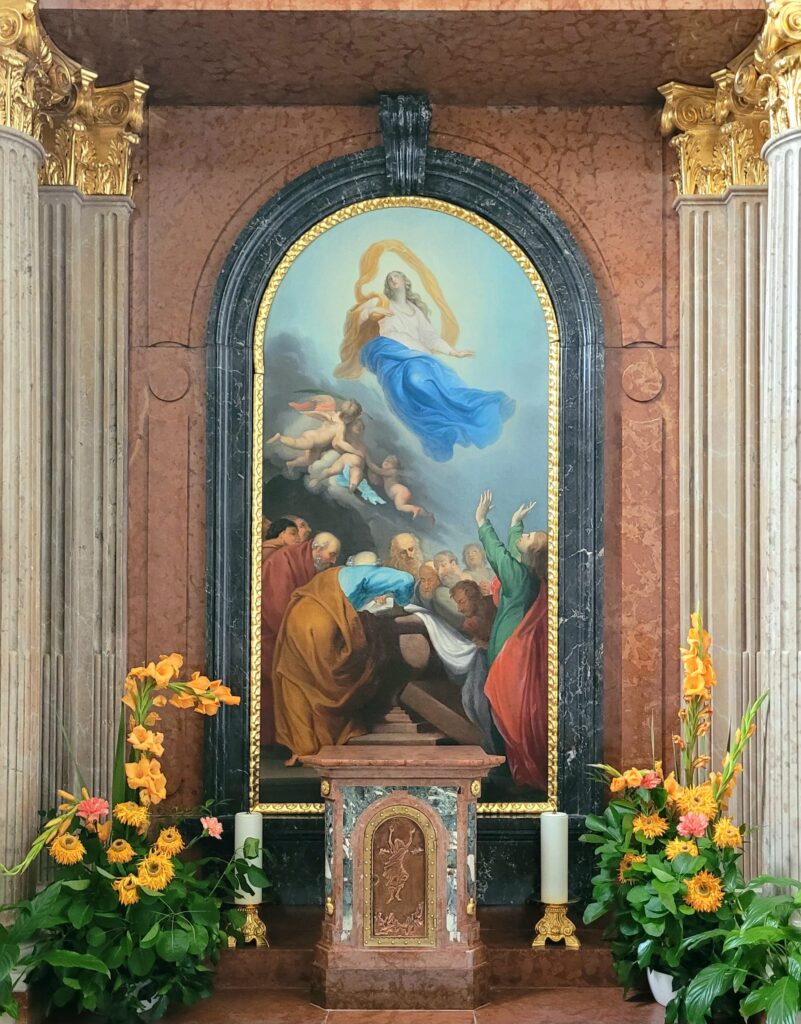
St. Michael’s Cathedral is one of the highlights of the guided castle tours. The altar dedicated to Mary inside the cathedral is a significant monument to the veneration of Mary in Veszprém.
A látogatók a főszékesegyház mellett az altemplomba és a Szent György-kápolnába is beléphetnek. A kápolna különlegessége, hogy egy 9. századi rotunda maradványaira épült rá a 13. századi nyolcszögletű kápolna.
Fun fact:
St. George’s Chapel is one of Hungary’s most significant early Christian sites. The excavated remains of the rotunda provide evidence of a Christian presence dating back to before the Hungarian conquest.
Ideas for things to do this weekend
The weekend marking the Feast of the Immaculate Heart of the Blessed Virgin Mary offers a special opportunity to explore the City Castle District’s Marian sites along a single route. During the guided castle tours, visitors can explore the main cathedral, the crypt, St. George’s Chapel, and the Archbishop’s Palace, and the experience can be rounded out by the exhibitions at the Biró–Giczey House and the garden of the Major Seminary.
There are few historical sites in Hungary where the history of the veneration of Mary can be traced in such a coherent manner. The tradition of the “City of Kings,” the centuries-old relics of the cathedral, the Baroque statue of the Madonna, and the church interiors that remain open to visitors today combine to offer an experience that connects history, art, and the tradition of faith.