In the crypt of St Michael’s Cathedral in Veszprém, the tomb of an 18th-century bishop is surrounded by a curious collection of objects: an owl, a skull, an hourglass, a padlock and a dying torch. What are these symbols doing in a high priest’s final resting place?
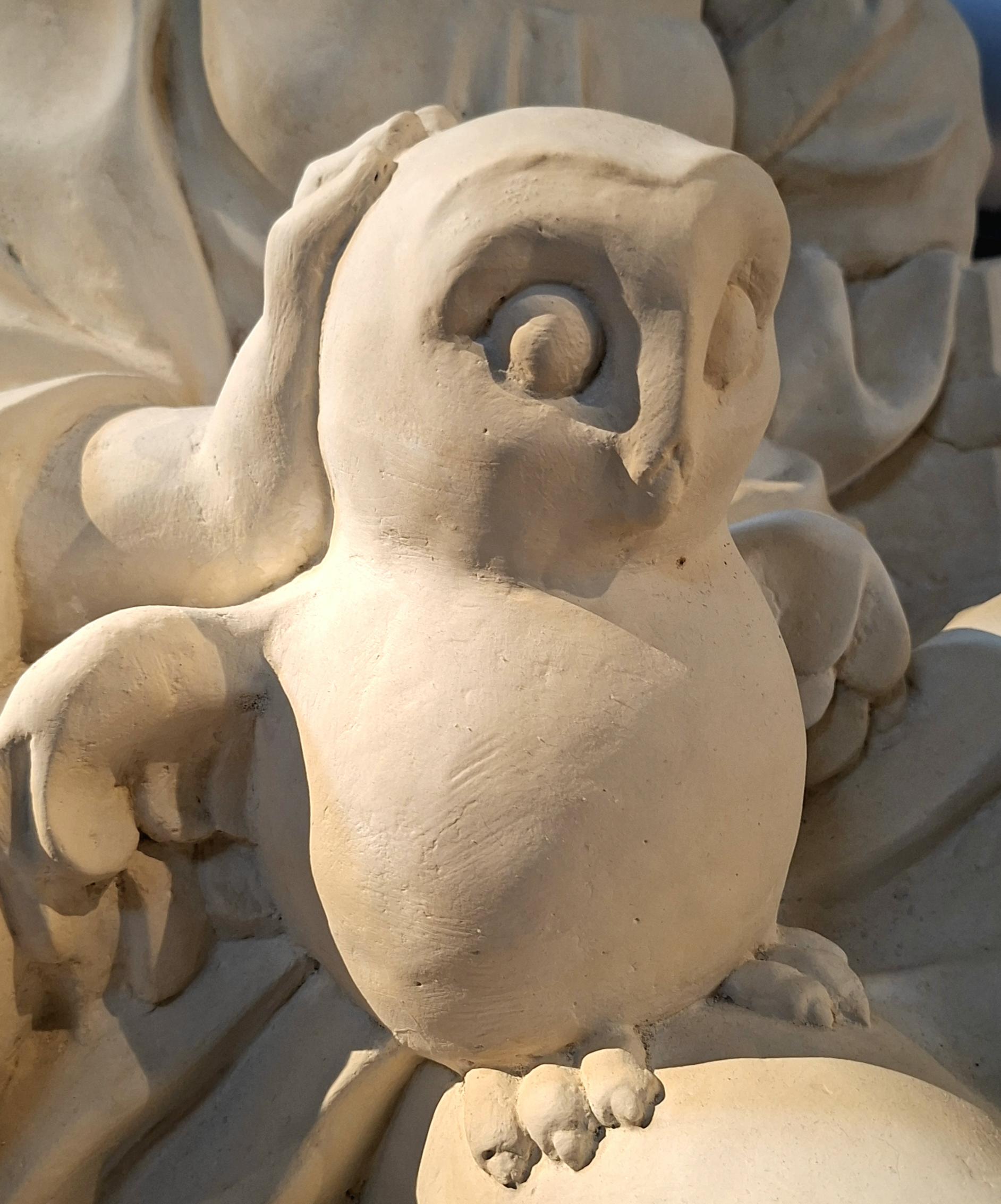
On the Baroque tomb, which is over 260 years old, lies a life-size figure of Bishop Márton Padányi Biró, dressed in episcopal robes and wearing a bishop’s mitre. Seated around him are female figures, each holding unusual objects. One of them is holding an owl, but the presence of this peculiar bird is by no means coincidental.
In European tradition, the owl has also been associated with death. On this Baroque tomb, it serves as a reminder of mortality, just like the hourglass whose sand has run out, the skull, the locked padlock and the torch turned upside down. Each one speaks of the same thing, using different symbols: that a person’s earthly life is finite.
Memento mori, or ‘remember death’. Baroque art often evoked this idea, but the tomb in Veszprém also conveys another, less obvious message.
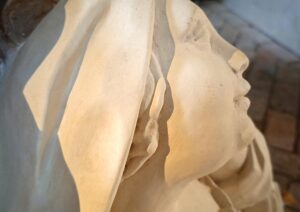
It is worth observing the faces of the figures. Several of them are sitting with their eyes closed, as if they had fallen asleep. In the Christian faith, the parallel between death and sleep also expresses the hope of resurrection.
Bishop Márton Padányi Biró supported the construction and restoration of more than two hundred churches and chapels. The owl and other mysterious symbols can be seen for yourself in the crypt of St Michael’s Cathedral, on the ‘Journey Through a Thousand Years’castle walk, which guides visitors through the Castle District’s centuries-old history.