Corpus Christi Weekend on Várhegy in Veszprém: What Does a Thousand-Year-Old Christian Center Tell Us?

On June 7, the Catholic Church celebrates Corpus Christi, the Feast of the Most Holy Body and Blood of Christ. For centuries, this feast has been associated with processions, churches, and community traditions. In Veszprém, however, it raises another question: what traces has more than a thousand years of Christian history left behind on Castle Hill?

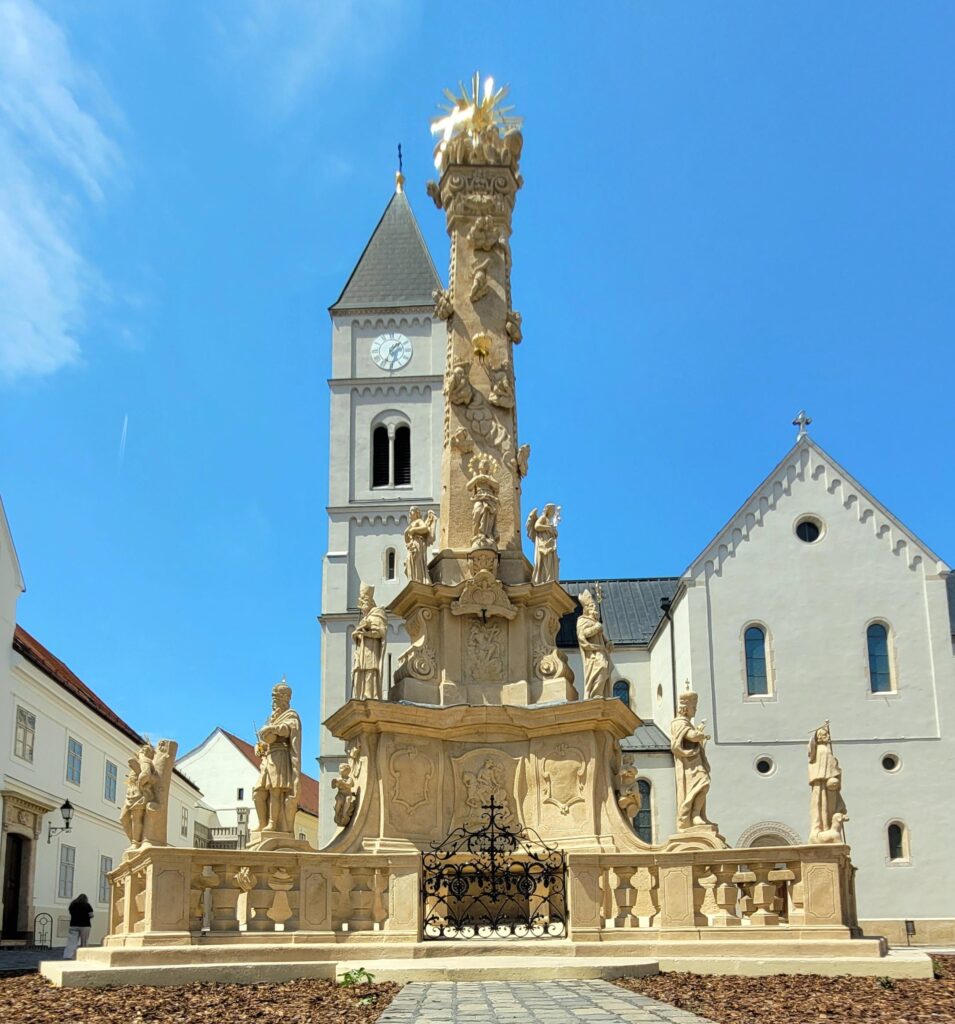
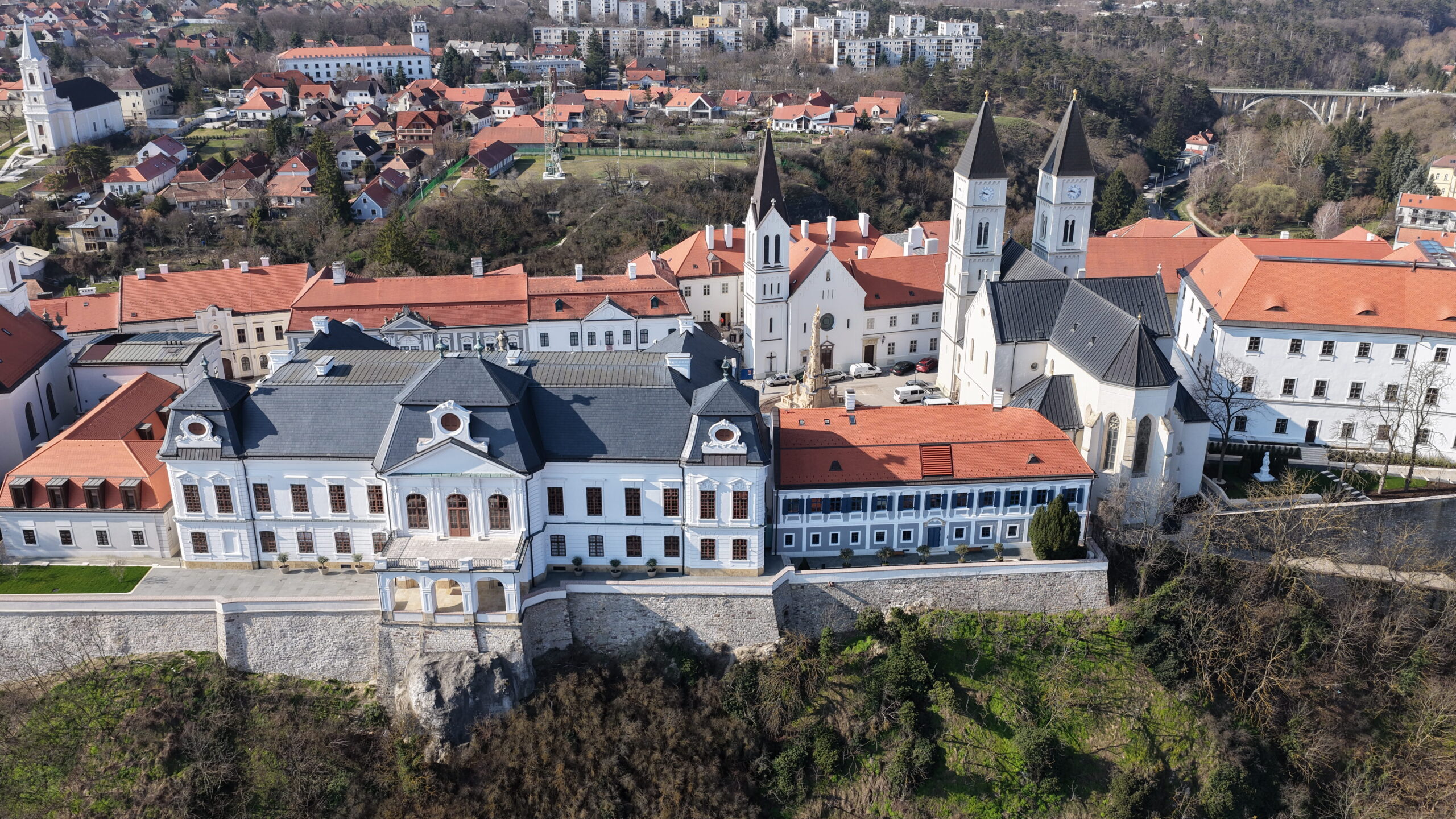
As you stroll through the streets of Veszprém’s Castle District, you’ll find yourself moving from one historical era to the next. In just a few minutes, you can go from a 13th-century chapel to a Baroque archbishop’s palace, or from a medieval fresco to a modern archaeological excavation.

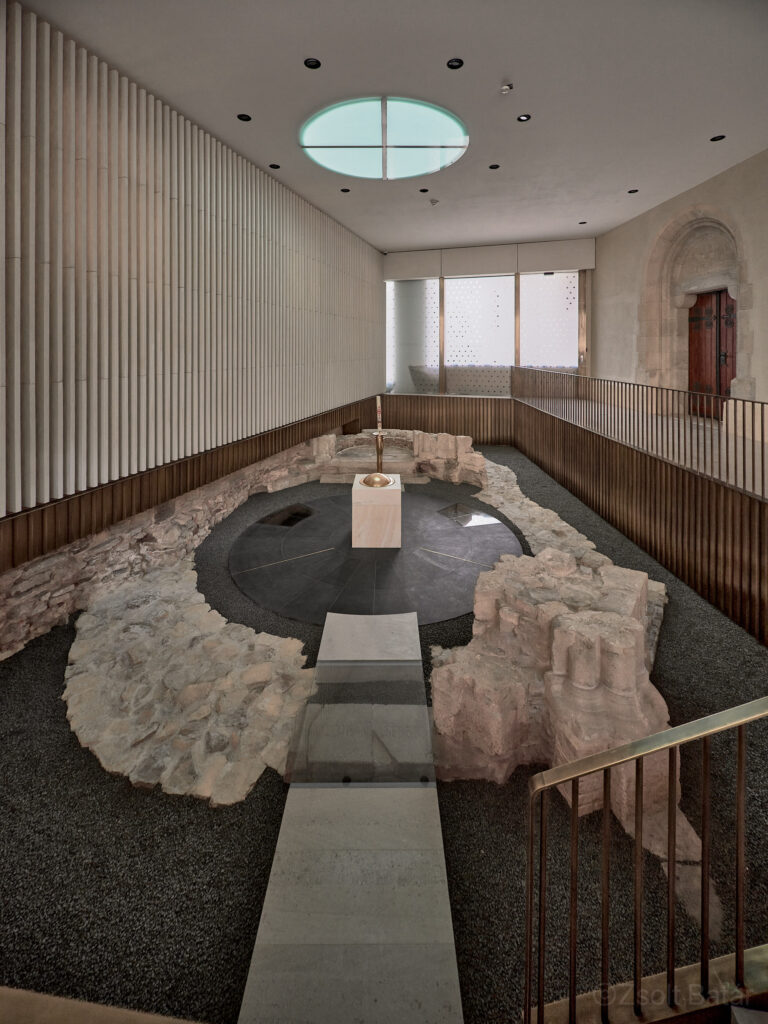
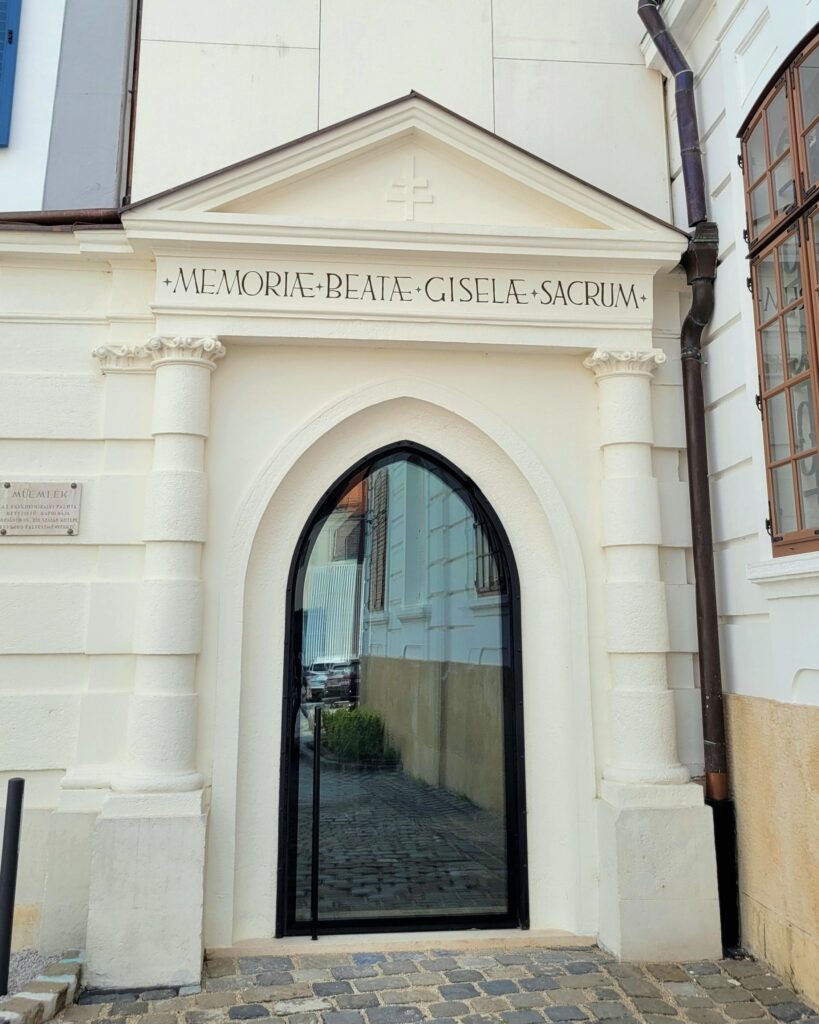
The walls of the Gizella Chapel feature 800-year-old paintings. Beneath the St. George Chapel lie architectural relics that date back to the founding of the Hungarian state. And in the vicinity of St. Michael’s Cathedral, nearly every stone evokes a different historical era.


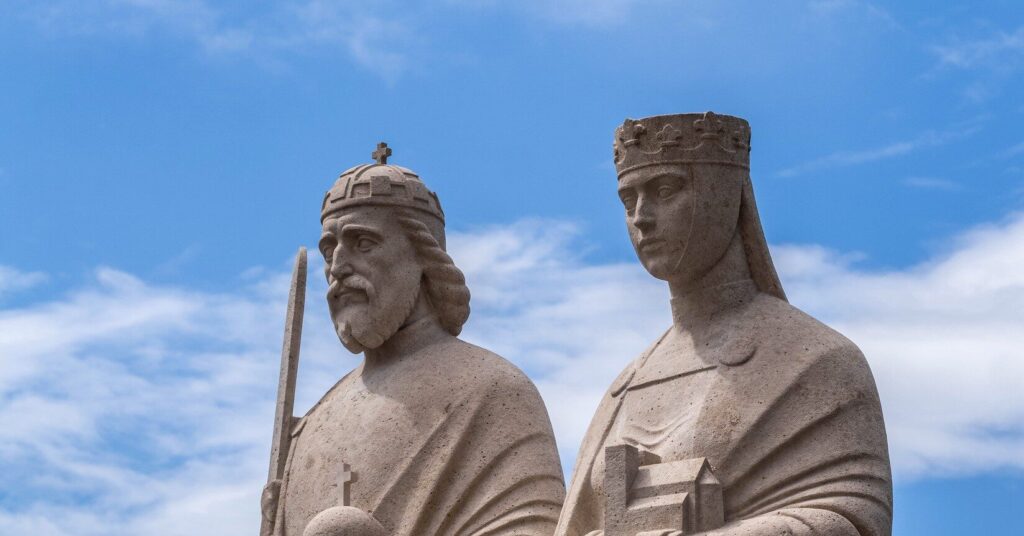
Who was Queen Gizella, really? Why is Veszprém called the “City of Queens”? What is a tiny carved dragon doing on the vault of a medieval chapel? How did Várhegy transform into one of Hungary’s most significant Baroque ecclesiastical centers in the 18th century?

Guided tours provide answers to these questions. During the tours, which begin at the Biró–Giczey House, visitors gain access to areas that are not open to the public on their own, while the separate buildings come together to form a single, coherent narrative.

Corpus Christi weekend is a particularly good opportunity to explore Castle Hill for more than just sightseeing. A fresco in a chapel, an old inscription, a queen’s memorial, or an archaeological find can all raise new questions at this time.

And perhaps this is one of the greatest strengths of Veszprém’s Castle District: at the end of our visit, we take home not only answers, but also a few stories that are worth reading up on.

en_GB