
At the city gates of Amiens, a poor, naked man asked for help in the winter cold. Martin, the young soldier, cut his cloak in two with his sword: he gave one half to the man and wrapped the other around himself. The memory of this gesture, known from the legend, is preserved in a word that we utter day in, day out in Veszprém.
The story was recorded by Sulpicius Severus, a contemporary of Martin. His account includes an unusual detail: some of the passers-by laughed at the soldier in his tattered clothes. Others were confronted with their own failure, for although there were many of them, they did not come to his aid. The following night, Christ appeared to Martin in a dream, carrying on his shoulder the piece of cloak he had given to the poor man.
The story of the saint, whose feast day is celebrated on 11 November, has lived on for centuries. A cloak attributed to Martin was venerated as a relic; the medieval Latin word *capella* preserves the memory of this. The term extended from the cloak itself to the place where it was kept, and later came to be used to designate other smaller places of worship.
This is also where the Hungarian chapel comes from. The French ‘chapelle’ and the German ‘Kapelle’belong to the same category. The name of a garment has thus found a new home in these buildings.
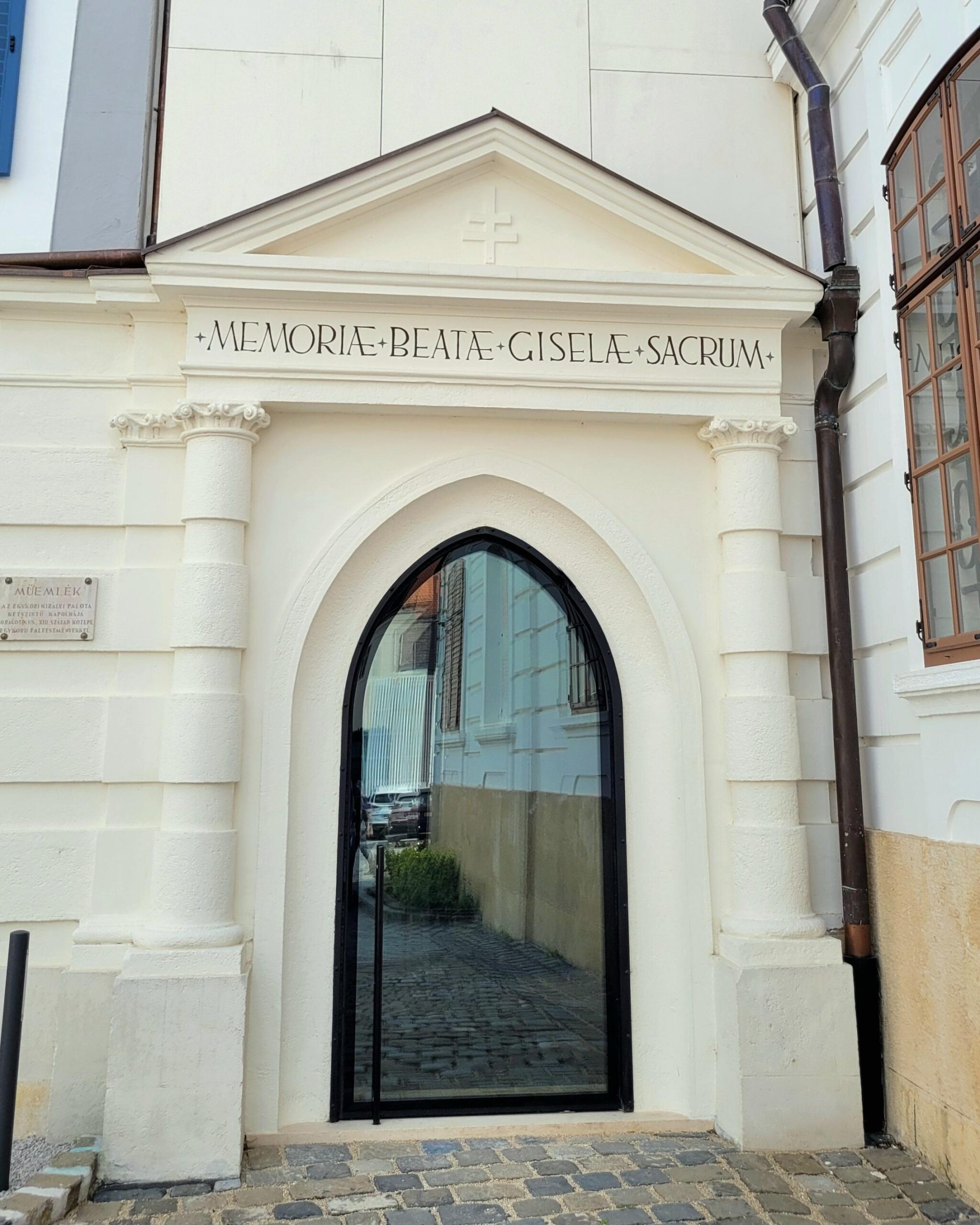
In the Gizella Chapel in Veszprém, images from the Middle Ages accompany the memory of the language. On the walls of this palace chapel, built in the first half of the 13th century, surviving fragments of frescoes depicting the apostles can still be seen today. It is well worth pausing to look at them: people looked up to these figures even back then, when the surrounding castle district presented a very different picture.
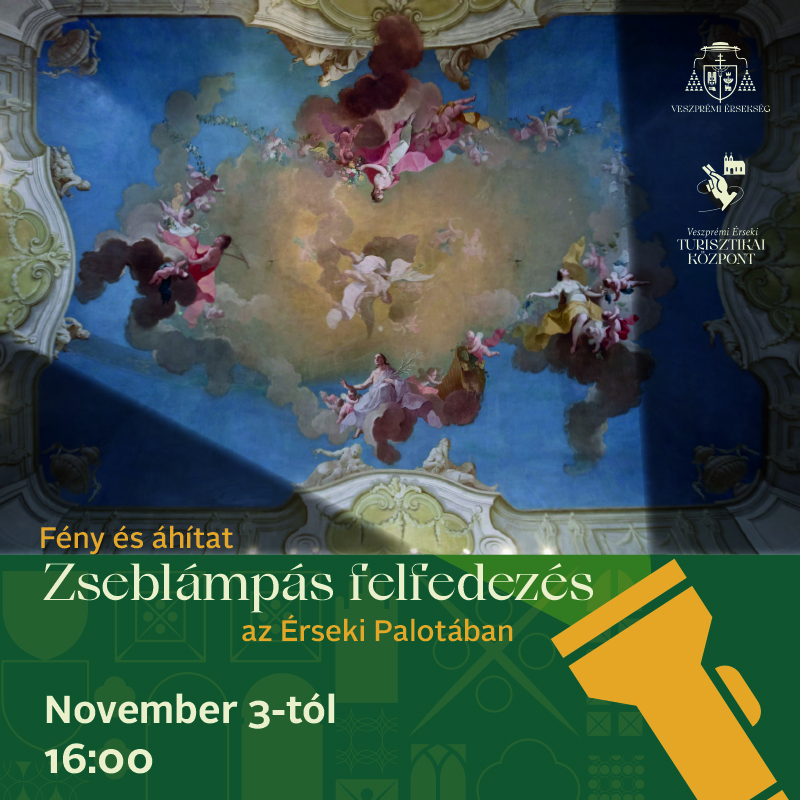
The chapel can also be visited as part of the ‘Torchlit Discovery Tour of the Archbishop’s Palace’ announced in November. The programme, which showcases the palace’s rooms and this medieval historic site, is complemented by a documentary screening. On the advertised dates, the tour sets off at 4 pm from the Biró–Giczey House at 31 Vár Street.
On a walk like this, it’s sometimes worth taking a closer look at the words as well as the walls. Deep inside the ‘chapel’, for example, the memory of a winter encounter and a shared cloak still lingers to this day.


