How does a single sip become an experience, and why is it worth starting with wines from the Érseki Winery?
The same thing usually happens in the first few minutes of a wine tasting. Someone carefully picks up their glass, looks around, and then remarks in a low voice, “I don’t really know much about this.” But within the next ten minutes, they recognize the citrus aroma in a Sauvignon Blanc, notice the difference between a rosé and a Riesling, and by the third wine, they’re already searching for their own words to describe the experience. Wine tasting is, after all, much closer to human curiosity than to the world of professional exams. It requires attention rather than lexical knowledge.
Among the rolling hills of the Balaton Uplands, viticulture is rooted in a tradition spanning several centuries. The volcanic soil, the light reflected from the lake, the warmth of the southern slopes, and the slow ripening process all combine to shape the character that is also reflected in the wines’ flavor profile. The history of the Veszprém Archdiocesan Winery in this region dates back particularly far: the estate in Mindszentkálla has been owned by the archdiocese since 1277. Few Hungarian wineries can boast such historical continuity.
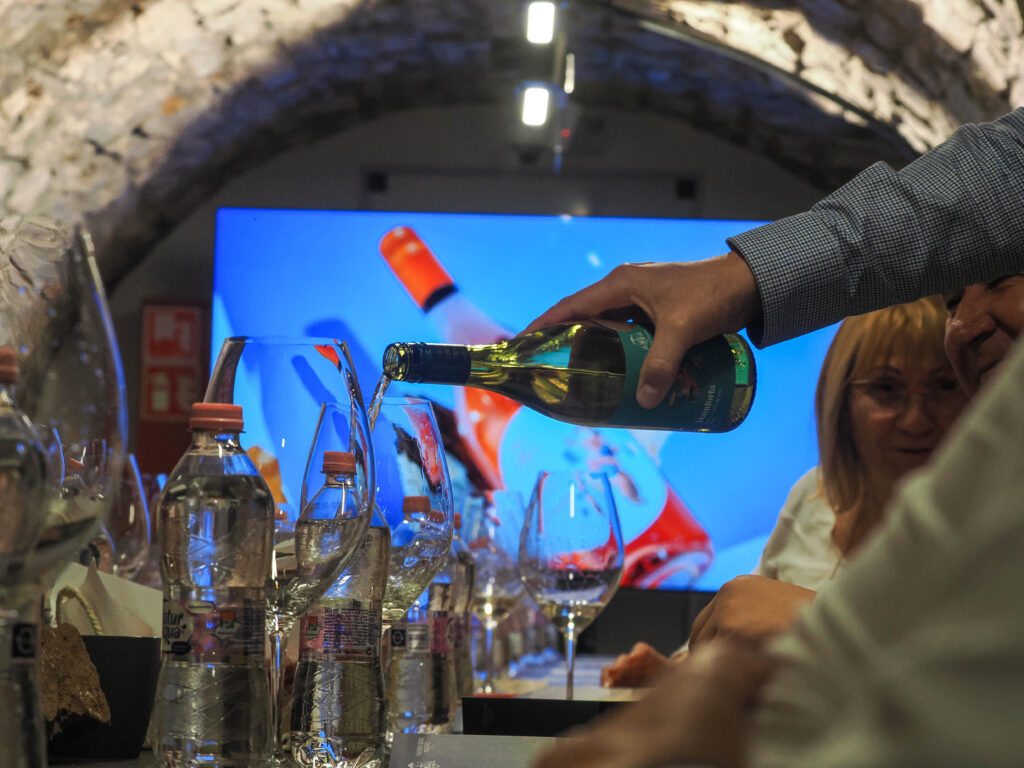
However, most people don’t look for historical facts first at a wine tasting; instead, they’re looking for a starting point. What should they pay attention to? What should they say? What should they look for in a wine?
The answer is surprisingly simple.
There are four key elements to a good wine tasting: appearance, aroma, taste, and memory.
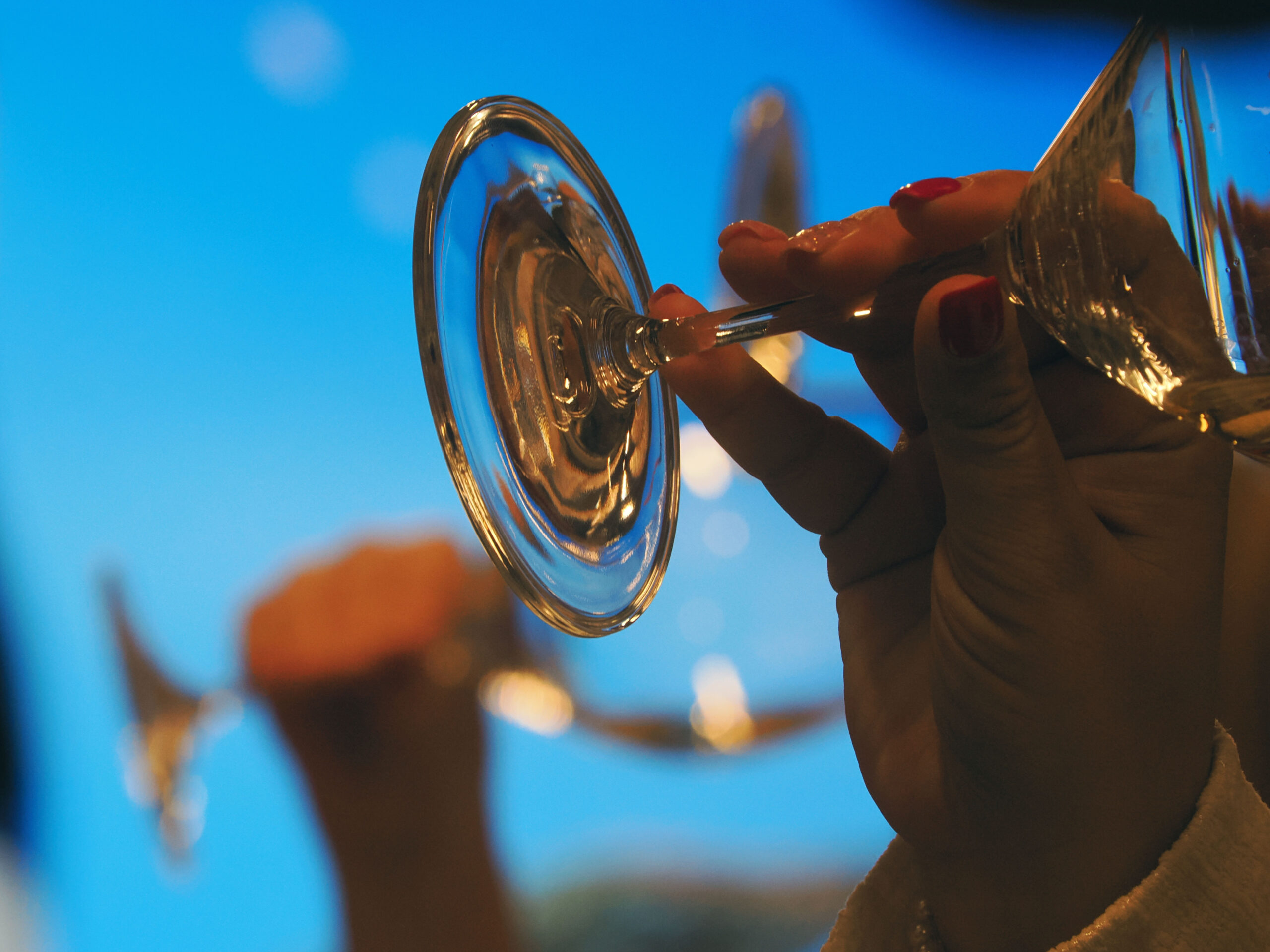
The first thing you notice in the glass is the color. The pale lemon-yellow hue of a Sauvignon Blanc creates a completely different atmosphere than a red cuvée with a deeper tone. Next comes the aroma. The first notes identified are usually fruity: citrus, apple, peach, and sometimes floral or grassy notes. These are perfectly good answers. Wine tasting is not a secret society’s language.
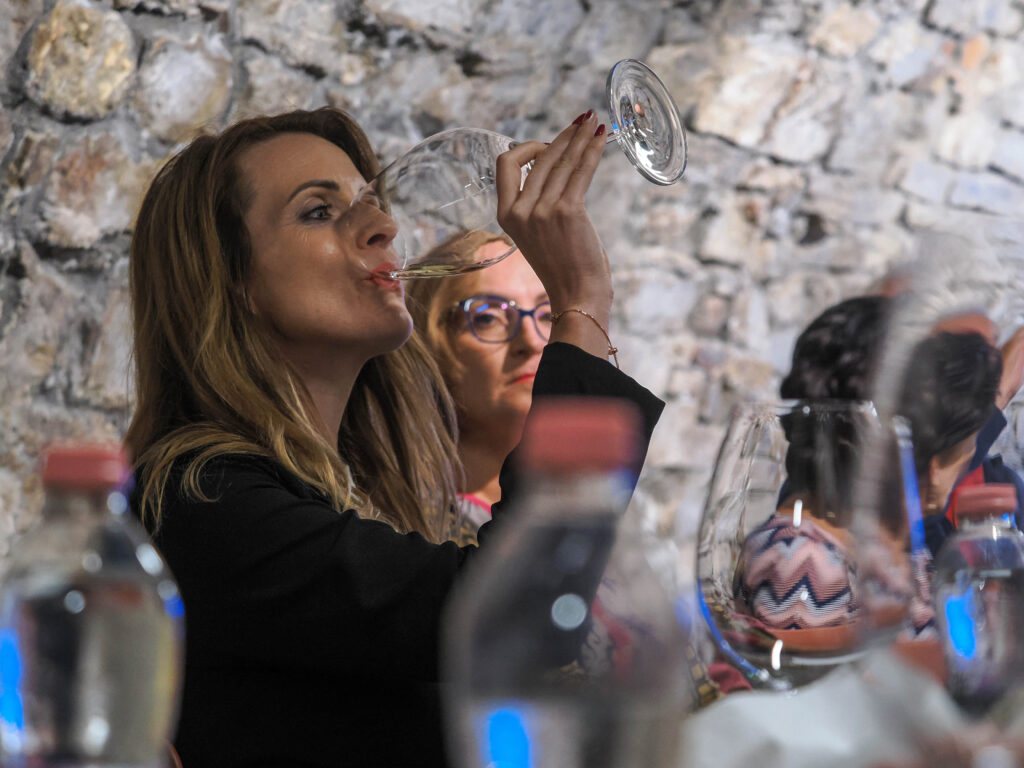
After gently swirling the glass, the aromas usually become more intense. This is where the moment begins that makes wine tasting unexpectedly exciting for many people: two people can discover completely different nuances in the same wine. One detects citrus, another green apple, and a third a mineral note. The difference is not a flaw. It is precisely what makes the experience personal.
The next step in tasting is the sip. Acidity gives the wine its freshness. Body indicates whether the wine in the glass has a lighter or fuller structure. The finish, meanwhile, reveals how long the flavor lingers. With a well-made wine, something remains even a few seconds after the sip: citrus, minerality, fruitiness, or spice.
The wines of the Veszprém Archdiocesan Winery are an excellent introduction for those who are just discovering this world. The winery has achieved remarkable professional success in recent years. The Mandorla Sauvignon Blanc 2023 was named “Lake Balaton White Wine of the Year” at the Lake Balaton Association’s wine competition. The 1277 Riesling 2023 received gold medals at both the Decanter World Wine Awards and the National Wine Competition. The Vesprim Infula Rouge, meanwhile, was recognized as the red wine of Veszprém County.
These findings were developed in a professional context, but for the layperson, they have a simpler meaning: we are talking about wines whose character is clearly discernible from the very first sip.
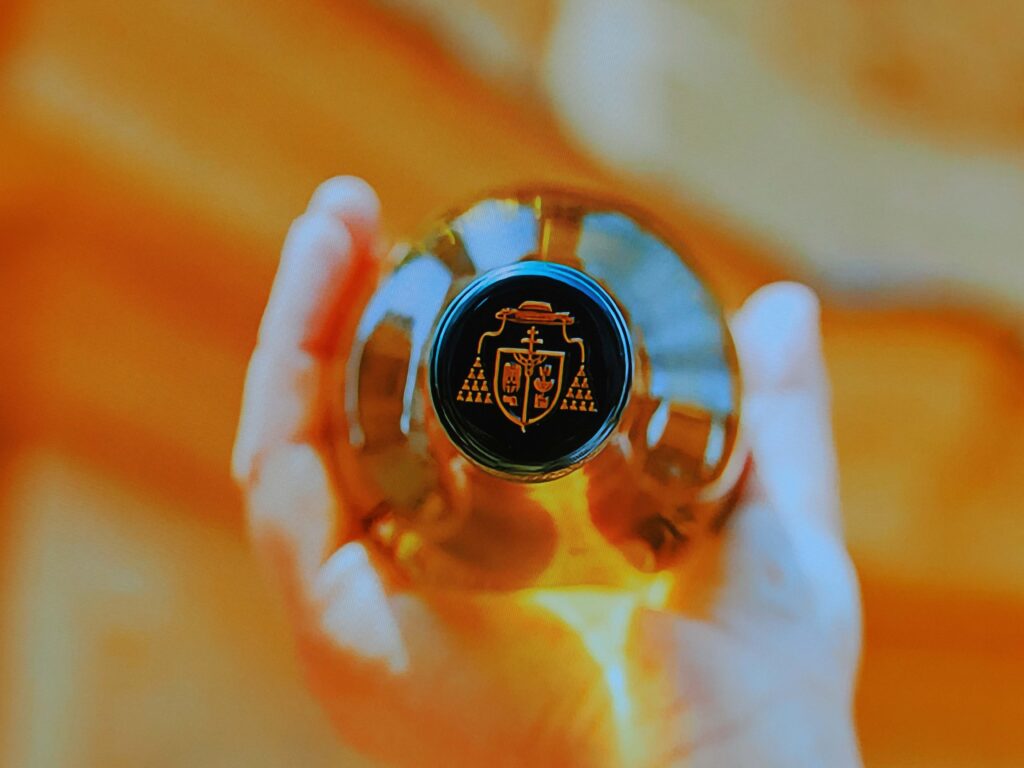
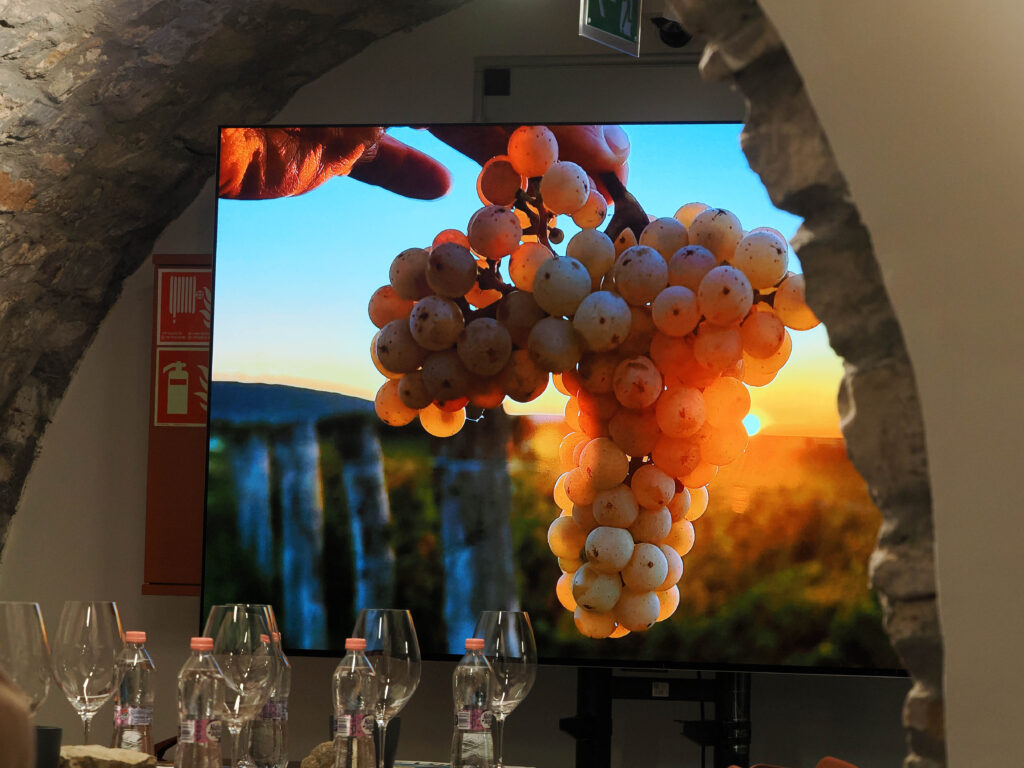
Sauvignon Blanc, for example, is a particularly rewarding first experience. Its lively acidity, citrusy freshness, and clean structure provide an immediate sense of satisfaction. Riesling, on the other hand, reveals a more complex world. A well-structured wine tasting is, in fact, a gradual journey of discovery. A single glass offers a taste, but four or five wines begin to reveal connections.
The programs offered by the Veszprém Archdiocesan Winery are designed precisely with this in mind. The tastings listed on vetk.hu feature multi-course pairings, served with mineral water, bread, and olive oil, and supplemented with a selection of cheeses and hams in some programs. This structure ensures a comfortable pace even for those attending such an event for the first time. The emphasis is on the sensory experience and comparison.
And this is where something interesting happens.
By the end of the wine tasting, most guests are no longer focused on how to drink wine “properly.” Instead, they’re thinking about which wine left the biggest impression. Which aroma evoked a summer evening? Which acidity provided a sense of freshness? Which red wine became slower, deeper, and longer on the finish?
By the end of the tasting, guests will have a clearer understanding of how the terroir, the vintage, and the winemaker’s decisions all come together in a single glass.
In the Balaton Uplands, this is complemented by a unique backdrop: the wines of the Érseki Winery are the result of both contemporary, modern winemaking techniques and a viticultural tradition dating back more than seven hundred years.
Perhaps that is why it works so well as a first wine tasting. Because guests don’t come to be tested, but to discover. And by the end of a well-led tasting, the same phrase is usually repeated—the one that started it all—but with a completely different tone:
“I don’t know much about this yet… but I’d like to taste this wine again.”